
Bali is a shopper’s paradise, offering a wide range of markets that cater to every taste and interest. Whether you’re after vibrant street markets, local handicrafts, or delicious street food, Bali’s markets provide a perfect blend of culture and commerce. The island’s markets offer more than just shopping—they provide a chance to immerse yourself in Balinese traditions, taste authentic local flavors, and pick up unique souvenirs to remember your trip. Here’s your updated guide to the best markets in Bali for travelers in 2026.
Art Markets in Bali
1. Ubud Art Market (Pasar Seni Ubud)
- Location: F7R7+W9X, Jl. Raya Ubud No.35, Ubud, Kecamatan Ubud, Kabupaten Gianyar, Bali 80571
- Opening hours: Daily, approx. 8:00 AM – 6:00 PM
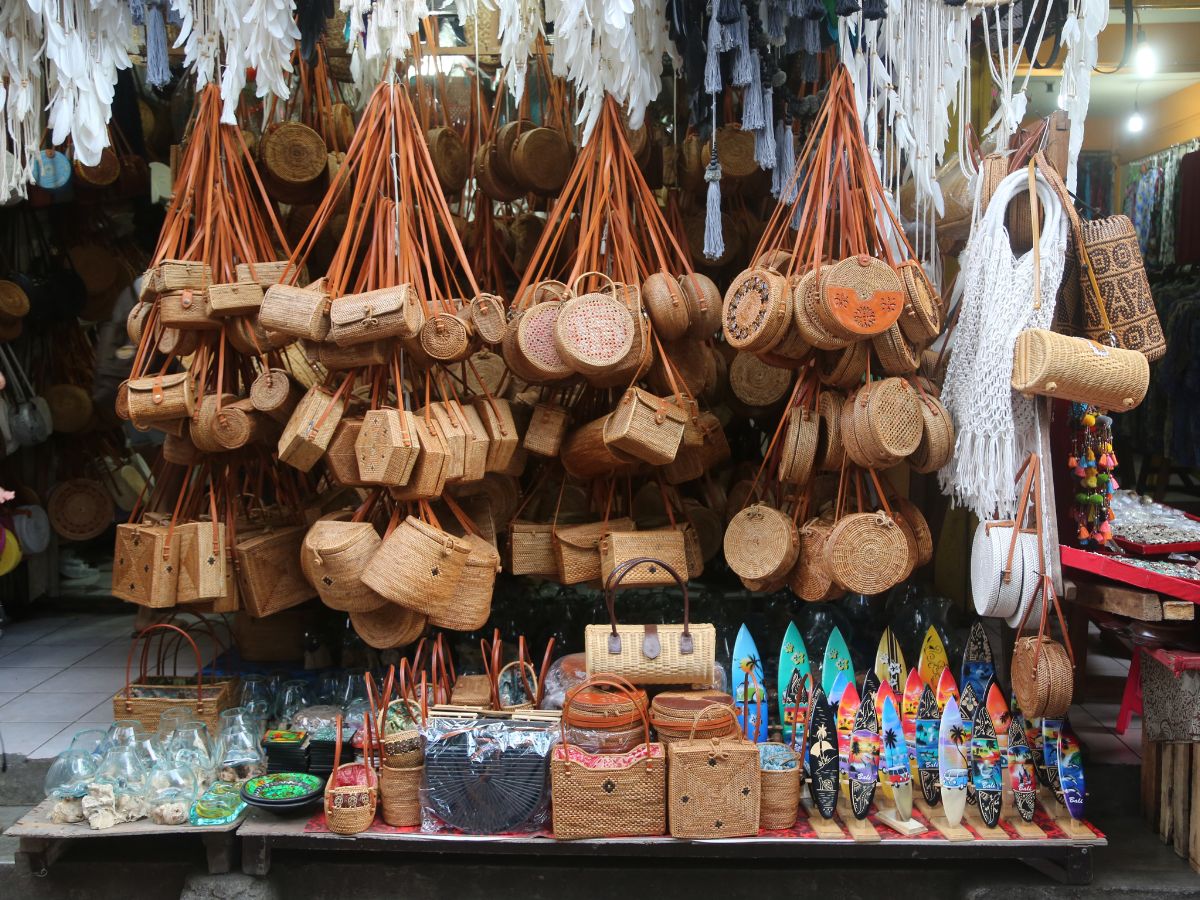
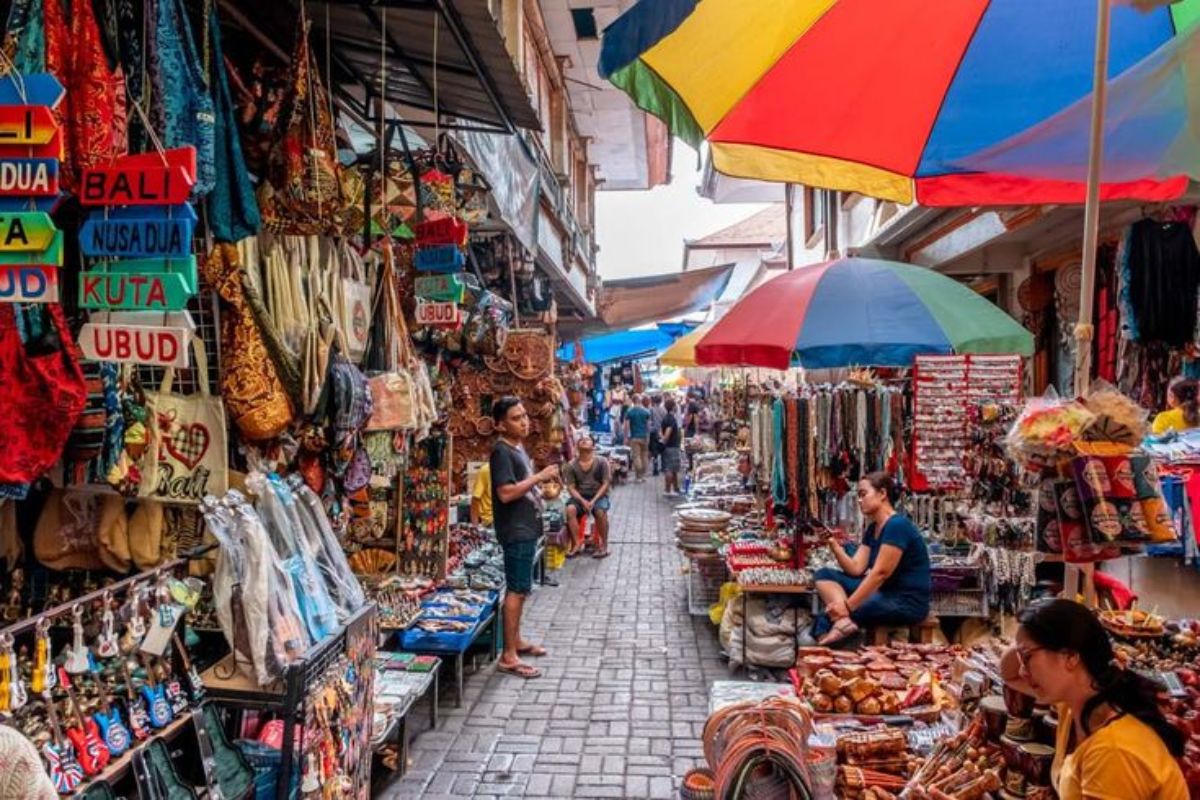
Set opposite the Ubud Royal Palace, this market hums with colour and movement from mid-morning onward. Narrow aisles overflow with woven bags, silk scarves, wood carvings and silver jewellery, while vendors greet passers-by with warm smiles and gentle calls. The space feels lively yet relaxed, shaped by the rhythm of daily trading and curious visitors drifting between stalls. Walking through, you sense Bali’s artistic soul stitched into every handmade piece.
2. Sukawati Art Market
- Location: Jl. Raya Sukawati, Sukawati, Kec. Sukawati, Kabupaten Gianyar, Bali 80582
- Opening hours: Daily, approx. 6:00 AM – 6:00 PM
Sukawati feels like a working marketplace rather than a curated attraction. Rows of stalls stretch deep into the complex, stacked high with paintings, sarongs, statues, and ceremonial items. The air carries the sound of bargaining and casual chatter as locals and tour groups browse side by side. It’s busy, practical, and wonderfully chaotic — a place where patience is rewarded with great value and unexpected finds.
3. Guwang Art Market (Pasar Seni Guwang)
- Location: Jl. Dasarata, Guwang, Kec. Sukawati, Kabupaten Gianyar, Bali 80582
- Opening hours: Daily, approx. 8:00 AM – 6:00 PM
Quieter and more spacious than its neighbours, Guwang Art Market offers a slower, more personal experience. Wide walkways make it easy to wander between stalls selling carvings, textiles, and decorative crafts. Many vendors are artisans themselves, happy to explain their work or chat casually. The pace is unhurried, and the atmosphere feels local and grounded, ideal for visitors who enjoy browsing without pressure
4. Kumbasari Art Market (Denpasar)
- Location: Jl. Gajah Mada, Pemecutan, Kec. Denpasar Bar., Kota Denpasar, Bali 80111
- Opening hours: Daily, 24/7
Rising beside the river near Badung Market, Kumbasari spreads across multiple floors filled with textiles, religious items, and traditional crafts. The building buzzes with everyday trade, from shopkeepers arranging batik to locals buying offerings. Light filters in from open sides, and the scent of incense drifts through corridors. It feels practical and authentic, revealing how art and daily life blend seamlessly in Bali.
5. Kuta Art Market
- Location: Jl. Kartika Plaza No.18, Kuta, Kec. Kuta, Kabupaten Badung, Bali 80361
- Opening hours: Daily, approx. 8:00 AM – 10:00 PM
Steps away from Kuta Beach, this compact market thrives on constant motion. Stalls are packed tightly with T-shirts, sarongs, beachwear, and souvenirs, while waves of shoppers flow through after sunset. Vendors work quickly, used to short conversations and fast decisions. The vibe is energetic and tourist-friendly, capturing the lively, sun-soaked spirit of Kuta in every brightly coloured display.

6. Mas Wood Carving Village Market
- Location: C7XC+6W5, JL Raya Mas, Ubud, Kec. Gianyar, Kabupaten Gianyar, Bali 80571
- Opening hours: Daily, approx. 8:00 AM – 5:00 PM
Rather than a single market hall, Mas Village unfolds as a series of workshops and galleries along the main road. The scent of fresh wood lingers as artisans carve intricate figures by hand. Movement is gentle and purposeful, with visitors stepping in and out of studios. The atmosphere feels respectful and intimate, offering a rare glimpse into Bali’s long-standing wood-carving tradition.
Night Markets in Bali
7. Sanur Night Market
- Location: Jl. Danau Tamblingan No.10, Sanur, Denpasar Selatan, Kota Denpasar, Bali 80228
- Opening hours: Daily, approx. 4:00 PM – 10:00 PM
Sanur Night Market has a calmer, family-friendly feel. Food stalls line open walkways, offering grilled seafood, noodles, and fresh juices. The crowd moves at an easy pace, with locals chatting and visitors lingering over dinner. Gentle sea air drifts in from nearby beaches, giving the market a relaxed rhythm that mirrors Sanur’s laid-back character.
8. Sinddu Night Market
- Location: 8776+W29, Jl. Pasar No.2, Sanur, Denpasar Selatan, Kota Denpasar, Bali 80228
- Opening hours: Daily, approx. 6:00 PM – 10:00 PM
Smaller and more intimate, Sindu Night Market feels like a neighbourhood gathering spot. Vendors know many customers by face, and the atmosphere is friendly and unhurried. Steam rises from food carts as conversations flow easily between stalls. Walking through feels casual and comforting, like joining locals for a simple, satisfying evening meal.
9. Badung Night Market (Denpasar)
- Location: Jl. Sulawesi, Dauh Puri Kangin, pasar badung, Kota Denpasar, Bali 80221
- Opening hours: Evening to late night
Around Badung Market, night brings a different energy. Temporary stalls appear along the streets, serving hearty dishes and late-night snacks. Neon lights reflect off the river, and the area hums with activity well past dinner time. The mood is lively yet practical — a place where the city unwinds through food and conversation.
10. Pasar Senggol Gianyar
- Location: Jl. Ciung Wanara-Gianyar No.18, Gianyar, Kec. Gianyar, Kabupaten Gianyar, Bali 80361
- Opening hours: Daily, 3pm – 10pm
Appearing during major celebrations, Pasar Senggol feels festive and fleeting. Colourful stalls, music, and sweet aromas fill temporary spaces as families arrive dressed for the occasion. The market pulses with excitement, shaped by celebration rather than routine. Visiting feels like catching a moment in time — bright, joyful, and uniquely Balinese.
Explore more: Top 9 Things To Do At Night in Bali
Traditional Local Markets
11. Kreneng Traditional Market
- Location: 86VF+RX9, Jl. Rijasa, Dangin Puri Kangin, Kec. Denpasar Utara, Kota Denpasar, Bali 80236
- Opening hours: Daily, 4am – 3pm
By day, Kreneng reveals its working heart. Stalls sell vegetables, meat, flowers, and household goods, with little concern for presentation. The pace is fast, voices are direct, and transactions are quick. It’s an honest glimpse into how communities supply themselves, grounded in routine and necessity.
12. Morning Market
- Location: Jl. Raya Ubud No.14, Ubud, Kecamatan Ubud, Kabupaten Gianyar, Bali 80571
- Opening hours: Approx. 4:00 AM – 8:00 AM
Morning markets across Bali share a quiet intensity. Lanterns glow, vendors move efficiently, and buyers arrive with clear purpose. The experience feels fleeting — by mid-morning, everything disappears. Being there is like witnessing the island wake up, practical and unadorned.
13. Mengwi Traditional Market
- Location: F549+CM6, Jl. Rama, Mengwi, Kec. Mengwi, Kabupaten Badung, Bali 80351
- Opening hours: Daily, 24/7
Mengwi’s market is modest and calm, serving nearby villages rather than visitors. Stalls are neatly arranged, conversations are soft, and the pace is steady. It feels grounded and approachable, offering a slower, more observational experience of daily Balinese trade.
14. Tabanan Traditional Market
- Location: F46G+GJ4, Delod Peken, Tabanan, Tabanan Regency, Bali 82113
- Opening hours: Daily, 5am – 3pm
Surrounded by fertile farmland, this market reflects Bali’s agricultural heart. Fresh produce dominates the stalls, often arriving directly from nearby fields. The atmosphere is earthy and practical, with an unpolished charm that feels deeply connected to the land.
15. Amlapura Traditional Market (Karangasem)
- Location: HJ28+G5G, Jl. Kesatrian, Karangasem, Kec. Karangasem, Kabupaten Karangasem, Bali 80811
- Opening hours: Early morning – afternoon
Set in East Bali, Amlapura’s market feels quieter and less rushed. Vendors sell regional produce and goods unique to the area, and interactions are unhurried. The experience is calm and reflective, offering a different pace from busier southern markets.
Weekend & Lifestyle Markets
16. Love Anchor Bazaar (Canggu)
- Location: Jl. Pantai Batu Bolong No.56 Unit A, Canggu, Kec. Kuta Utara, Kabupaten Badung, Bali 80351
- Opening hours: Daily, busiest on weekends
Open-air and bohemian, Love Anchor blends shopping with social energy. Handmade jewellery, resort wear, and organic products sit beneath wooden arches and hanging lights. Music drifts through the space as visitors browse slowly. The mood is relaxed and creative, capturing Canggu’s free-spirited lifestyle.
17. La Brisa Sunday Market
- Location: Jl. Pantai Batu Mejan, Canggu, Kec. Kuta Utara, Kabupaten Badung, Bali
- Opening hours: Sundays, 10am – 4pm
Set within a beachfront venue, this market feels like a seaside gathering. Artisan food, eco products, and crafts line rustic stalls, framed by ocean views. Waves and conversation blend into a gentle soundtrack. Browsing here feels indulgent and leisurely, like a slow Sunday unfolding by the sea.
18. Samadi Sunday Market (Canggu)
- Location: Jl. Canggu Padang Linjong No.41B, Canggu, Kec. Kuta Utara, Kabupaten Badung, Bali 80361
- Opening hours: 7am – 10pm
Calm and wellness-focused, Samadi attracts a mindful crowd. Organic produce, plant-based food, and handmade goods fill a leafy space. People linger, chat, and sip coffee after yoga sessions. The atmosphere is peaceful and intentional, offering a refreshing contrast to busier markets.
Bargaining Tips & Cash-Only Markets
When shopping in Bali’s local markets, don’t forget that bargaining is part of the experience. Haggling is common and expected, so feel free to negotiate to get the best deal. Start by offering a price that is about 50-60% of the vendor’s initial asking price, then work your way up to a mutually acceptable amount.
Additionally, most markets in Bali, especially the smaller ones, only accept cash. Be sure to carry enough local currency (Indonesian Rupiah) when you go shopping. ATMs are available, but it’s always safer to have cash on hand, especially when visiting more remote markets.
Bali’s markets are a treasure trove of culture, cuisine, and crafts. Whether you’re after the best food markets in Bali, looking for unique clothes, or hunting for the perfect souvenir, you’ll find a market that caters to your interests. So, next time you’re in Bali, make sure to visit these iconic markets for an unforgettable shopping experience.
Let Indonesia Impression Tour Elevate Your Bali Journey
From vibrant art markets and lively night bazaars to traditional local markets and relaxed weekend hubs, exploring markets in Bali reveals the island’s true rhythm. Each market reflects daily life, culture, and craftsmanship, offering far more than simple shopping. Indonesia Impression Tour brings these experiences together, helping travelers connect with Bali beyond the surface and discover the stories, flavors, and people that make each market unique.
As a well-established Bali-based tour company, Indonesia Impression Tour is known for its local expertise, carefully curated itineraries, and flexible, personalized experiences. With knowledgeable local guides and a strong focus on authentic cultural encounters, your market visits become meaningful moments rather than rushed stops.
Book your tour today and explore Bali’s markets like a local
Explore more: Bali Traditional Healing