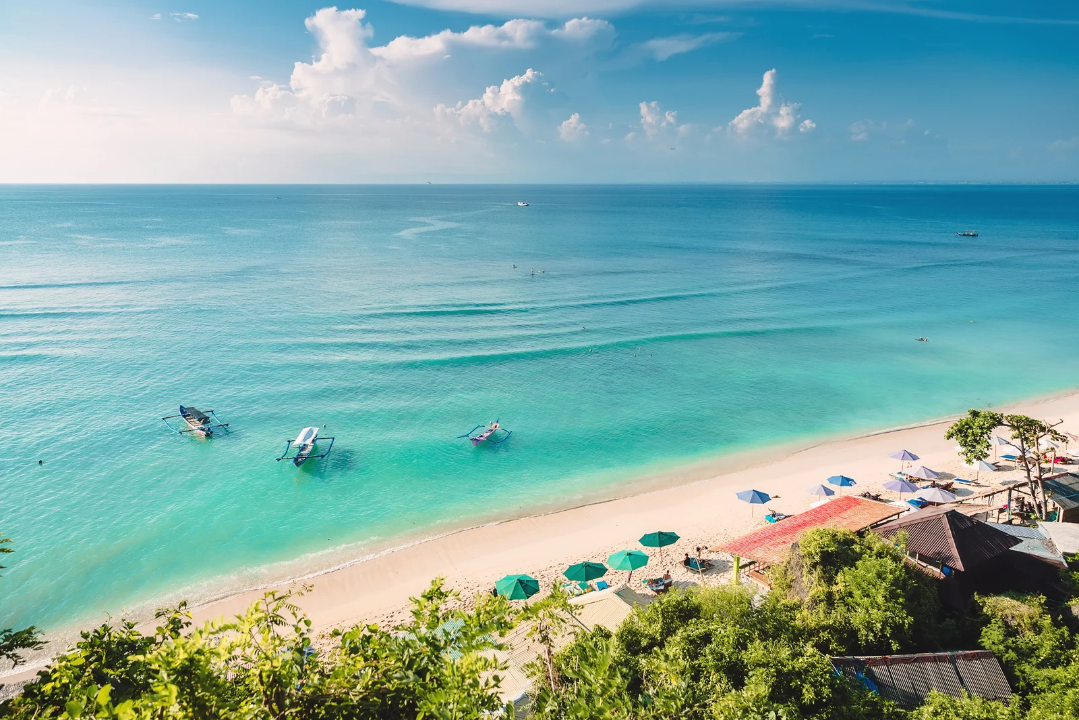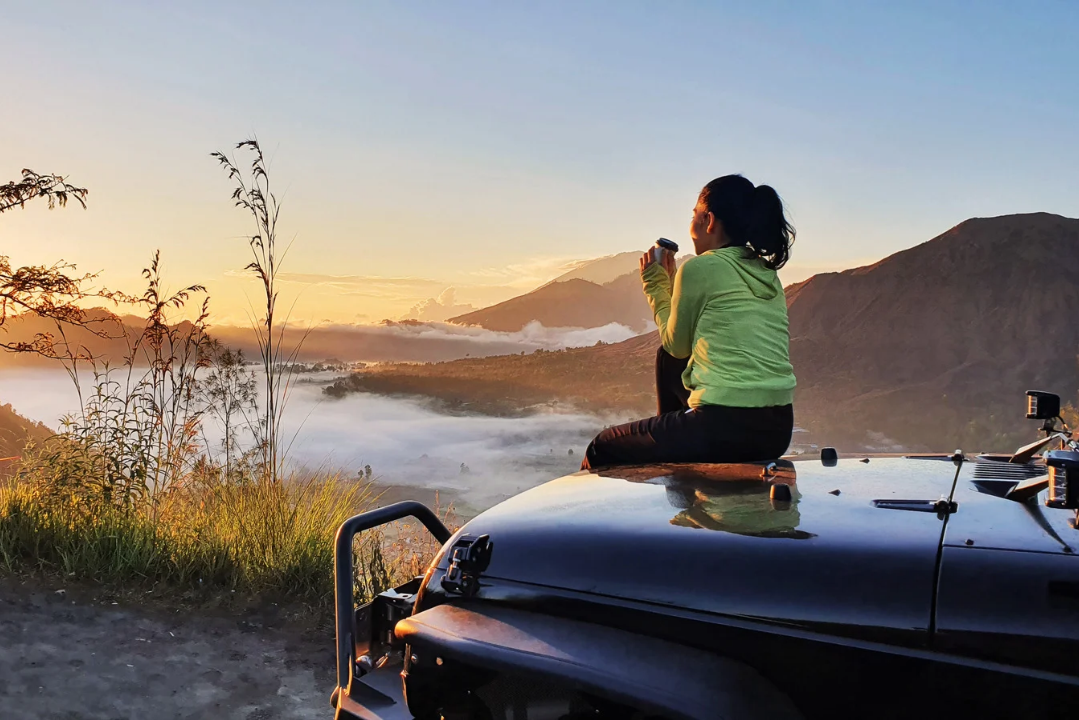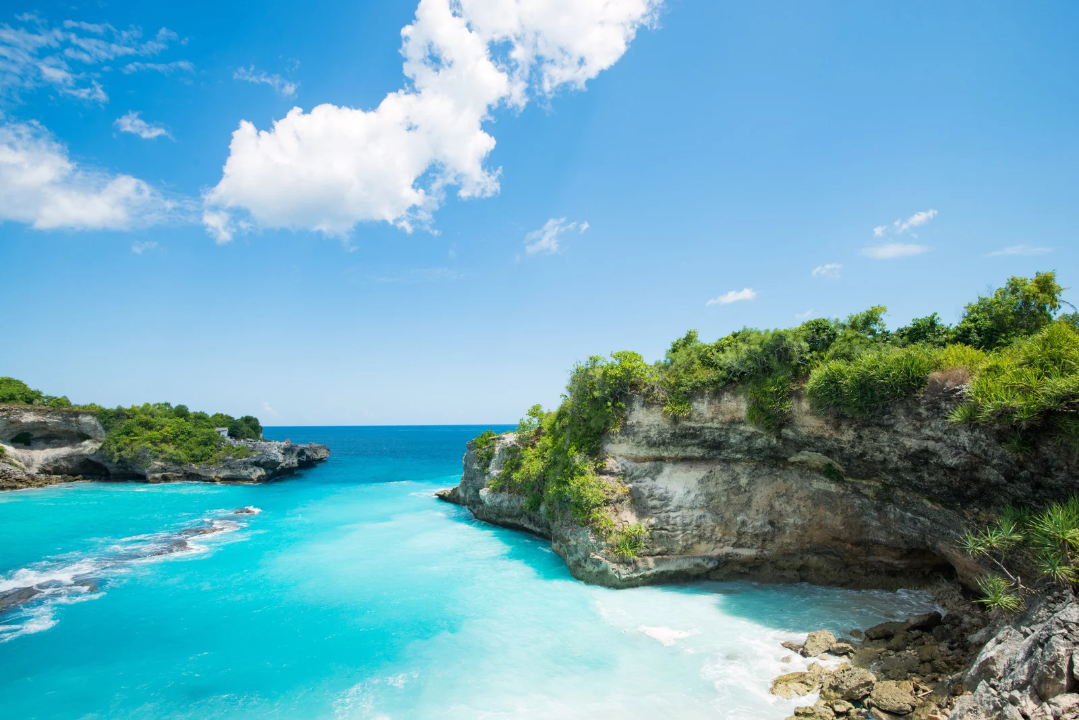
Bali, the Island of the Gods, is a year-round destination that offers something for every type of traveler. Whether you’re drawn to its stunning beaches, vibrant culture, or lush landscapes, understanding Bali’s weather and climate is key to planning the perfect trip. In this guide, we’ll explore the best times to visit Bali, taking into account the island’s tropical climate, seasonal highlights, and what each month has to offer.
Key takeaways
The best overall time to visit Bali is during the dry season from April to October, when sunny days, low humidity, and calm seas create perfect conditions for surfing, hiking, and beach-hopping. If you want the ideal balance of great weather, fewer crowds, and lower prices, aim for the shoulder months of April, May, September, and October before the massive July and August peak crowds arrive.
Conversely, the rainy season from November to March brings frequent afternoon downpours and high humidity but transforms the island into a lush, green sanctuary. While you should expect heavy holiday traffic in late December and early January, the rest of the rainy season is highly affordable, quiet, and perfect for yoga retreats, spa days, and deeply discounted luxury stays.
Bali’s Tropical Climate Overview
Bali enjoys a tropical climate, characterized by warm temperatures, high humidity, and two distinct seasons: the dry season and the rainy season. The island’s weather is influenced by its position near the equator, which ensures relatively stable temperatures throughout the year, typically ranging from 24°C to 32°C (75°F to 90°F) depending on the season and region. However, the timing of your visit can greatly influence your experience, depending on what activities you have planned.
Learn about things you should do and don’t in Bali for cultural respect
Tropical Climate and General Weather Patterns
Bali’s tropical climate means that the island experiences high humidity year-round, with daily temperatures rarely dipping below 24°C (75°F) in coastal areas, though highland regions (like Ubud and Bedugul) can drop to 20°C (68°F). The island’s weather is divided into two main seasons: the dry season, which runs from April to October, and the rainy season, from November to March. Each season has its own unique charm and offers different experiences for travelers.
Dry Season (April – October)
The dry season is considered the best time to visit Bali, particularly during the shoulder season months of May, June, September, and October, especially for those who want to enjoy outdoor activities like surfing, hiking, and beach-hopping. During these months, the weather is characterized by clear skies, low humidity, and minimal rainfall, making it ideal for exploring the island’s many attractions. The dry season is also when Bali hosts some of its most popular cultural festivals, such as the Bali Arts Festival.
Rainy Season (November – March)
The rainy season in Bali brings heavier rainfall, particularly in the afternoons and evenings. While the rain can be intense, it usually doesn’t last all day, allowing for morning activities. The rainy season also has its own advantages, such as fewer tourists and lusher, greener landscapes. It’s a great time to explore Bali’s cultural and wellness offerings, including temple visits, spa retreats, and indoor activities. However, it is important to note that beaches in the south (such as Kuta, Seminyak, and Canggu) can become quite dirty due to debris washed onto the shore, particularly in December, January, and February.
Read more: Indonesia Climate & Weather
Best Time to Visit by Travel Interest
For Adventure Seekers
The dry season (April to October) is generally the best time for outdoor thrills, offering stable weather, calm seas, and excellent underwater visibility. To plan your specific activities, keep these key timeframes in mind:
- June and September: The absolute best months for hiking and outdoor adventures. Trails for summiting Mount Batur or Mount Agung are less slippery, and the sunrise views are at their clearest.
- July and August: The prime window for west coast surfing. You will find ideal wave conditions at famous breaks like Canggu and Uluwatu.
- July to October: The ultimate season for scuba divers. Head to the waters around Nusa Penida during this period for the highest chances of spotting the elusive Mola Mola (ocean sunfish).
Read more: Best waterfalls in Bali
For Cultural Enthusiasts
While you can soak in Bali’s deep-rooted traditions any day of the year, timing your visit to coincide with major local celebrations makes for an unforgettable trip. Consider aligning your itinerary with these highlights:
- March: Witness the profound contrasts of Nyepi (the Balinese Day of Silence). The eve of the new year erupts with spectacular Ogoh-Ogoh monster parades, directly followed by 24 hours of complete, island-wide stillness and reflection.
- Mid-June to mid-July: Dive into the Bali Arts Festival. This massive, month-long extravaganza showcases the pinnacle of traditional dance, music, and local craftsmanship from villages across the island.
- June to August: Take advantage of the sunny, rain-free weather to explore ancient temples. Because the conditions are so accommodating, locals frequently hold vibrant neighborhood ceremonies and grand processions during this window.
Regardless of the month you choose, check the 210-day Balinese Pawukon calendar to see if your trip aligns with Galungan and Kuningan. These vital religious festivals completely transform the island, filling the streets with beautifully decorated penjor (bamboo poles) and lively community processions.
For Relaxation and Wellness
When your primary goal is unwinding and resetting, the rainy season is actually your greatest asset. The regular downpours transform the island into a lush, emerald sanctuary. To plan a truly restorative getaway, look closely at these months:
- November, February, and March: Embrace the ultimate slow-paced island experience. With the tourist footprint drastically reduced, you will find quiet meditation spaces, empty yoga studios, and highly affordable luxury retreats in tranquil inland hubs like Ubud.
- Late December and early January: Approach this festive window with caution if you want pure serenity. While the holiday celebrations are lively, they also bring massive crowds, heavy traffic jams, and premium pricing that run counter to a relaxing vibe.
- April: Take advantage of the transitional shoulder season. The daily rains begin to fade, but the jungles and misty rice terraces remain incredibly vibrant, offering a beautiful, quiet balance before the summer crowds surge.
Bali Travel Tips by Season
Peak Season
Bali’s peak season falls during July, August, and the late December to early January holiday window. To navigate the massive crowds and premium pricing smoothly, keep these essential tips in mind:
- Book your flights and accommodations at least three to four months in advance to secure availability.
- Reserve tables at top-rated restaurants and daybeds at popular beach clubs well before you arrive.
- Use scooter taxis (like Gojek or Grab) to bypass the severe traffic jams in busy hubs like Canggu and Seminyak.
- Arrive at famous temples and waterfalls right at sunrise to beat the heavy influx of mid-morning tour buses.
Shoulder Season
The shoulder months of April, May, September, and October offer the absolute best balance of sunny weather, manageable crowds, and reasonable prices. Maximize your trip during this sweet spot with these strategies:
- Take advantage of promotional rates on luxury villas and boutique resorts that drop immediately after the peak rush.
- Keep your daily itinerary slightly flexible to accommodate occasional, short-lived afternoon rain showers.
- Book popular outdoor activities like volcano hikes and scuba diving, as the weather is ideal but the groups are much smaller.
- Negotiate better prices at local markets and for extended scooter rentals, as vendors are more accommodating outside peak months.
Low Season
Running from November to March (excluding the winter holidays), the low season brings frequent tropical rain and high humidity. Embrace the quieter, greener side of the island by following this practical advice:
- Pack lightweight, quick-drying clothing, a sturdy travel umbrella, and a waterproof dry-bag to protect your electronics from sudden downpours.
- Schedule your outdoor excursions for the early morning, as heavy tropical rain typically rolls in during the late afternoon.
- Consider escaping the rain entirely by taking a short flight to explore the drier, sunnier climates of neighboring destinations like Komodo Island or Sumba Island.
- Focus your Bali itinerary on cozy indoor experiences, such as wellness retreats, luxury spa days, and cultural workshops in Ubud.
FAQ For Best Time To Visit To Bali
Does it rain all day during Bali’s rainy season?
No, the rainy season typically brings intense but short-lived tropical downpours in the late afternoon or overnight, leaving the mornings mostly clear and sunny for outdoor activities.
Which months offer the most comfortable weather with the lowest humidity?
The middle of the dry season, particularly July and August, provides the coolest ocean breezes and lowest humidity levels, making exploring the island incredibly comfortable.
What weather can I expect during Bali’s shoulder seasons in April and October?
These transitional months offer a beautiful climate where the island remains lush and green, but the daily rainfall is minimal and mostly limited to quick, refreshing afternoon showers.
When should I visit to avoid the plastic debris on Bali’s beaches?
To avoid the heavy marine debris that onshore winds frequently wash onto popular west coast beaches, plan your trip during the dry season from April to October.
What is the safest time of year to hike Mount Batur or Mount Agung?
June and September offer the driest, least slippery trails and the absolute clearest sunrise views for volcano trekking.
Can I still surf in Bali during the rainy season?
Yes, during the rainy season from November to April, the winds shift to create excellent, world-class surfing conditions on the east coast at breaks like Keramas.
When is the best time to see the Mola Mola (ocean sunfish) in Bali?
You have the highest chance of spotting the elusive Mola Mola around Nusa Penida if you dive during the colder waters between July and October.
How does Nyepi (The Balinese Day of Silence) affect tourists?
Falling in March, Nyepi requires everyone on the island—including tourists—to stay inside their accommodations with minimal noise, no lights, and no outdoor activities for a full 24 hours.
When is the best time to experience traditional Balinese festivals?
Aim for mid-June to mid-July to witness the spectacular, month-long Bali Arts Festival, or check the 210-day Pawukon calendar to catch the vibrant Galungan and Kuningan celebrations.
Ready to Experience the Magic of Bali?
Stop stressing over weather charts and let the experts craft your perfect getaway. Whether you are chasing the dry season sun on Bali’s pristine beaches or looking to explore neighboring islands during the greener months, our Indonesia Impression Tour is designed to showcase the absolute best of the archipelago. We handle all the logistics, local transfers, and seasonal planning so you can simply relax and enjoy a seamless, unforgettable adventure. Discover your ideal itinerary and let us show you the true heart of Indonesia today!
Get seasonal advice from travel agency in Bali Indonesia for trip planning