
Java’s culinary heritage is a rich tapestry shaped by history, blending Javanese, Sundanese, and Betawi cultures. Depending on the region, travelers can savor unique sweet, savory, and spicy flavors. This guide highlights the island’s essential traditional dishes, offering practical recommendations on exactly where to find these immersive Indonesian culinary experiences.
Explore: 15 Must-Visit Destinations in Java: A Guide to Indonesia’s Most Populated Island
Central Java: Sweet And Savory Royal Delicacies
The central regions, particularly Yogyakarta and Solo, are highly celebrated for presenting significantly milder, sweeter flavor profiles. These comforting Java local eats carry strong traditional royal court influences, focusing on slow-cooking methods and generous palm sugar usage.
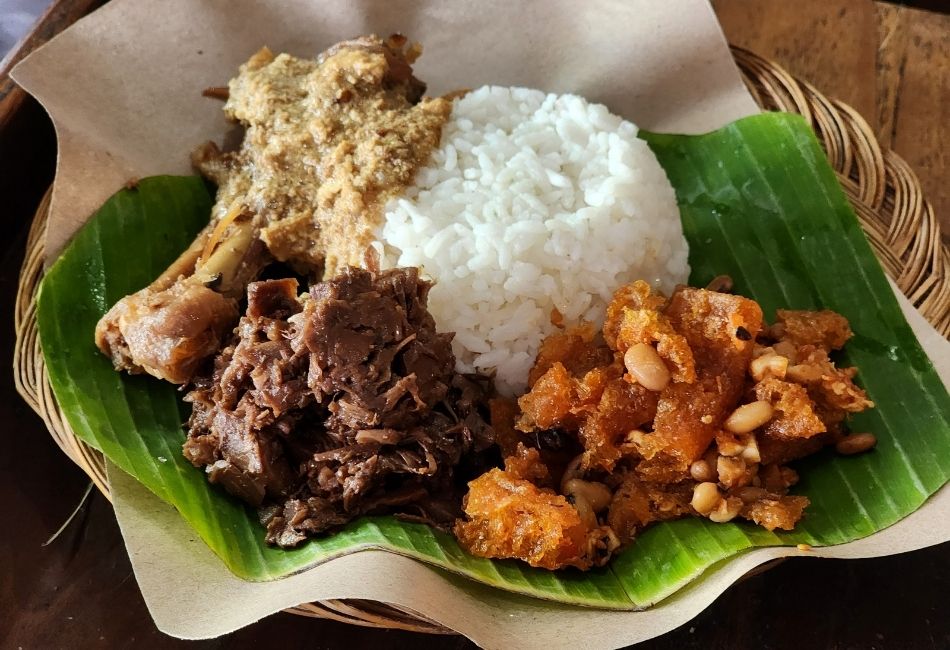
1. Gudeg (Young Jackfruit Stew)
Originating deep within Yogyakarta, Gudeg stands as a legendary slow-cooked stew that physically embodies Central Java’s royal culinary traditions. Cooks boil unripe jackfruit for hours alongside palm sugar, coconut milk, and teak leaves, which consequently infuses the core ingredients with a striking brownish hue. This meticulous preparation yields a distinctly sweet and savory flavor that perfectly represents authentic Yogyakarta street food culture.
Most locals strongly recommend eating this tender staple for breakfast or lunch, expertly pairing it with krecek (spicy beef skin stew) to balance out the inherent sweetness. The morning atmosphere here is often serene, though the dining space becomes significantly more vibrant after 8 AM. If you are exploring beautiful temples in Java, stopping by this specific establishment afterward is highly encouraged:
- Restaurant Name: Gudeg Yu Djum Wijilan 167
- Address: Jl. Wijilan No.167, Panembahan, Kecamatan Kraton, Kota Yogyakarta, Daerah Istimewa Yogyakarta 55131, Indonesia
- Opening Hours: 6:00 AM – 10:00 PM
- Price: 20,000 – 50,000 IDR
2. Nasi Liwet (Savory Coconut Rice)
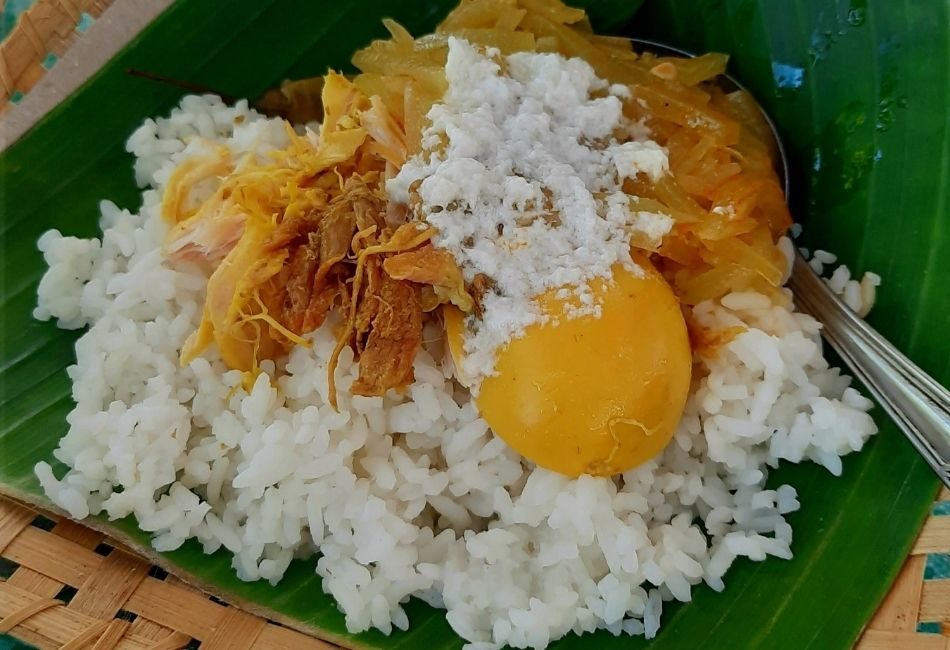
Nasi Liwet is an iconic Solo specialty that elevates simple grains into an incredibly aromatic, profoundly satisfying culinary masterpiece. The main components feature fluffy rice cooked in rich coconut milk and chicken broth, accompanied by shredded chicken, a velvety egg, and kumut (thickened coconut cream). This fragrant combination creates a deeply savory, umami-rich flavor that defines the best authentic Indonesian flavors.
While it functions beautifully as a hearty breakfast, we recommend consuming this rich dish as a late-night dinner option. Diners typically eat it using their hands directly from a folded banana leaf, which subtly enhances the earthy aroma of the meal. To experience this quintessential Java food, seek out this local favorite:
- Restaurant Name: Nasi Liwet Wongso Lemu
- Address: Jl. Teuku Umar, Keprabon, Kec. Banjarsari, Kota Surakarta, Jawa Tengah 57131, Indonesia
- Opening Hours: 4:00 PM – 1:00 AM (Sunday until 12:00 AM)
- Price: 25,000 – 40,000 IDR
3. Selat Solo (Javanese Beef Salad)
Serving as a fascinating culinary bridge between European colonial history and local tastes, Selat Solo is a vibrant, refreshing fusion dish. The main ingredients include tender braised beef, boiled potatoes, green beans, carrots, and a hard-boiled egg, all bathed in a sweet soy sauce and mustard dressing. Consequently, the flavor profile is an intriguing mix of sweet, tangy, and mildly savory notes unique to traditional Javanese dishes.
This beautifully plated salad serves as an ideal, relatively light lunch during a hot, humid afternoon in the city. The lunch hour rush typically subsides by 2 PM, leaving a quieter space to appreciate the antique decor found in traditional eateries. For a truly authentic where to eat in Java recommendation, this colorful venue is exceptional:
- Restaurant Name: Warung Selat Mbak Lies
- Address: Jl. Yudhistira No.9, Serengan, Kec. Serengan, Kota Surakarta, Jawa Tengah 57155, Indonesia
- Opening Hours: 8:00 AM – 6:00 PM
- Price: 25,000 – 50,000 IDR
4. Bakmi Jawa (Traditional Javanese Noodles)
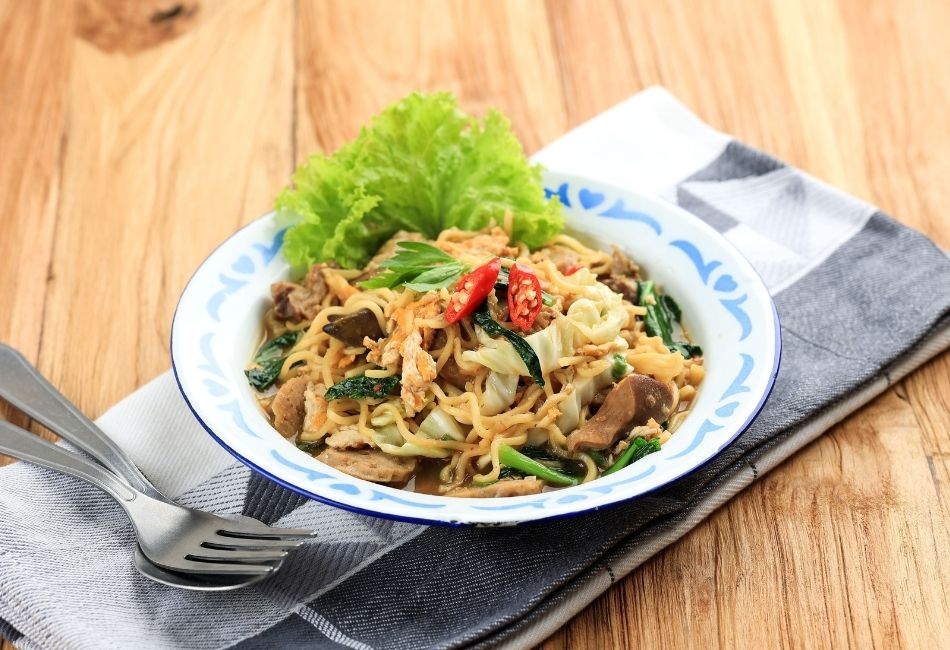
Bakmi Jawa represents the ultimate comfort food for Central Javanese residents, primarily because vendors still cook it over traditional charcoal braziers (anglo). These traditional Javanese noodles incorporate thick yellow wheat noodles, shredded free-range chicken, cabbage, and duck eggs, boiled gently in a thick, savory-sweet chicken broth. The resulting smoky, savory, and slightly sweet flavor is a cornerstone of street food in Java.
This steaming bowl is best enjoyed for dinner, especially when the evening air turns slightly crisp. Locals often mix in fresh green chilies and a dash of sweet soy sauce to customize the heat and richness levels. To taste this beloved Indonesian cuisine, navigate your way to this highly-rated destination:
- Restaurant Name: Bakmi Jawa Mbah Mo
- Address: Jl. Parangtritis No.Km, RW.11, Code, Trirenggo, Kec. Bantul, Kabupaten Bantul, Daerah Istimewa Yogyakarta 55715, Indonesia
- Opening Hours: 4:00 PM – 11:00 PM
- Price: 25,000 – 45,000 IDR
East Java: Bold, Spicy, And Earthy Tastes
Contrasting sharply with the central provinces, East Java’s vibrant food scene is famous for remarkably robust, savory, and heavily spiced culinary creations. Chefs frequently utilize uniquely pungent local ingredients, such as fermented shrimp paste (petis) and intensely earthy black nuts (keluak).
5. Rawon (Black Beef Soup)
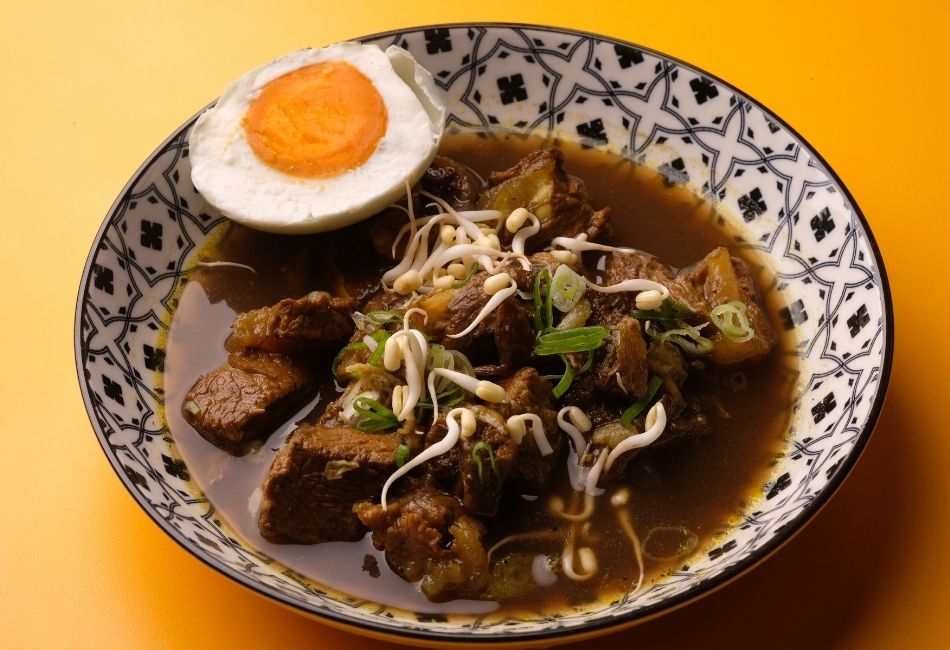
Rawon is an intimidatingly dark, complex soup that has earned immense respect among culinary enthusiasts worldwide due to its profound depth. The indispensable core component is keluak, a fermented black nut that gives the beef stew its signature ink-black color and an intensely nutty, savory flavor. Not only does it provide a stunning visual, but it also delivers an unforgettably rich East Java spicy food experience.
Travelers typically devour this hearty stew for lunch or dinner, making it the perfect restorative meal after exploring Mount Bromo and Ijen Crater. You should generously garnish the broth with crunchy bean sprouts, a dollop of fiery sambal, and a salted egg for maximum enjoyment. Whenever you crave this restorative Java food, head directly to this historically significant eatery:
- Restaurant Name: Rawon Setan – Embong Malang
- Address: No.78/I, Jl. Embong Malang, Genteng, Kec. Genteng, Surabaya, Jawa Timur 60261, Indonesia
- Opening Hours: 8:00 AM – 3:00 AM (Wed–Sat) | 8:00 AM – 11:00 PM (Sun–Tue)
- Price: 50,000 – 75,000 IDR
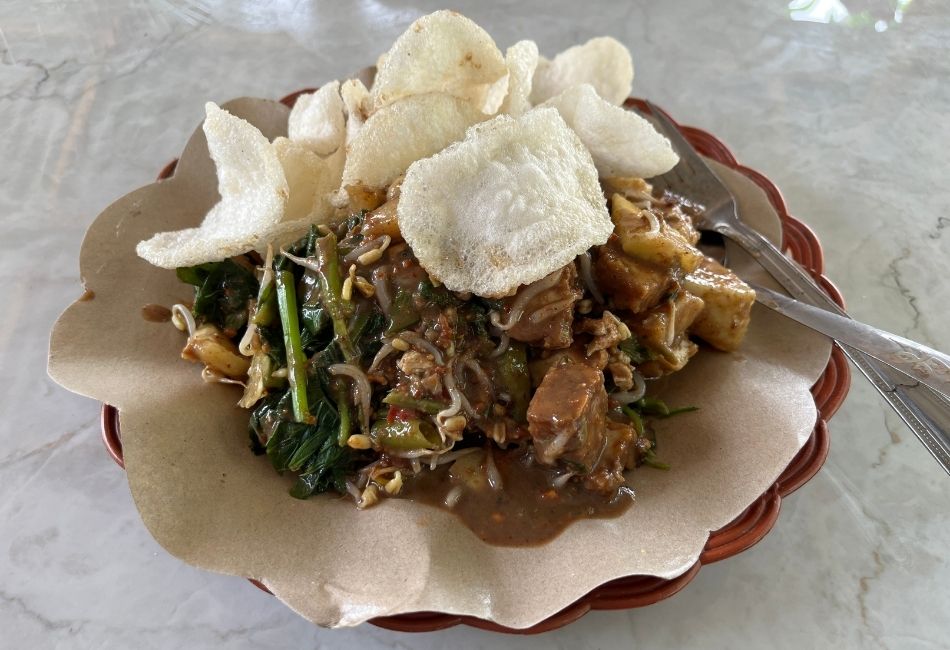
6. Rujak Cingur (Cow Snout Salad With Petis)
Rujak Cingur is an adventurous, deeply traditional salad that perfectly captures the bold, unapologetic spirit of Surabaya’s vibrant gastronomy. Its defining main ingredients include boiled cow snout (cingur), fresh tropical fruits, tofu, tempeh, and water spinach, heavily coated in a thick, pungent black shrimp paste (petis) dressing. This unusual mixture yields a wildly complex savory, spicy, and subtly sweet flavor that defines authentic Indonesian cuisine.
This texturally diverse salad is almost exclusively consumed as a heavy lunch or a substantial afternoon snack. The seating area here fills up rapidly during peak hours, yet the fast-paced service ensures you never wait long for a table. To sample this iconic piece of culinary heritage of Java, visit this legendary vendor:
- Restaurant Name: Achmad Jais Cingur Rujak
- Address: Jl. Achmad Jais No.40, Peneleh, Kec. Genteng, Surabaya, Jawa Timur 60274, Indonesia
- Opening Hours: 10:00 AM – 4:00 PM
- Price: 60,000 – 80,000 IDR
7. Lontong Balap (Rice Cake And Bean Sprout Soup)
Named after the “racing” vendors who historically sprinted while carrying heavy food baskets, Lontong Balap is a fast-paced, energizing urban staple. The core components consist of compressed rice cakes (lontong), a mountain of blanched bean sprouts, fried tofu, and lentil cakes (lentho), all submerged in a clear, savory garlic broth. The flavor is a refreshing mix of savory and mildly sweet, making it a beloved street food in Java.
Residents highly favor this steaming bowl for a revitalizing breakfast or a quick, fulfilling lunch. You must mix a generous spoonful of sambal petis into the broth to unlock the dish’s true, mildly spicy potential. When exploring where to eat in Java for an energetic morning meal, stop by this renowned stall:
- Restaurant Name: Lontong Balap Asli Pak Gendut (Pusat)
- Address: Jl. Embong Malang No.38, Genteng, Kec. Genteng, Surabaya, Jawa Timur 60275, Indonesia
- Opening Hours: 7:00 AM – 11:00 PM
- Price: 20,000 – 30,000 IDR
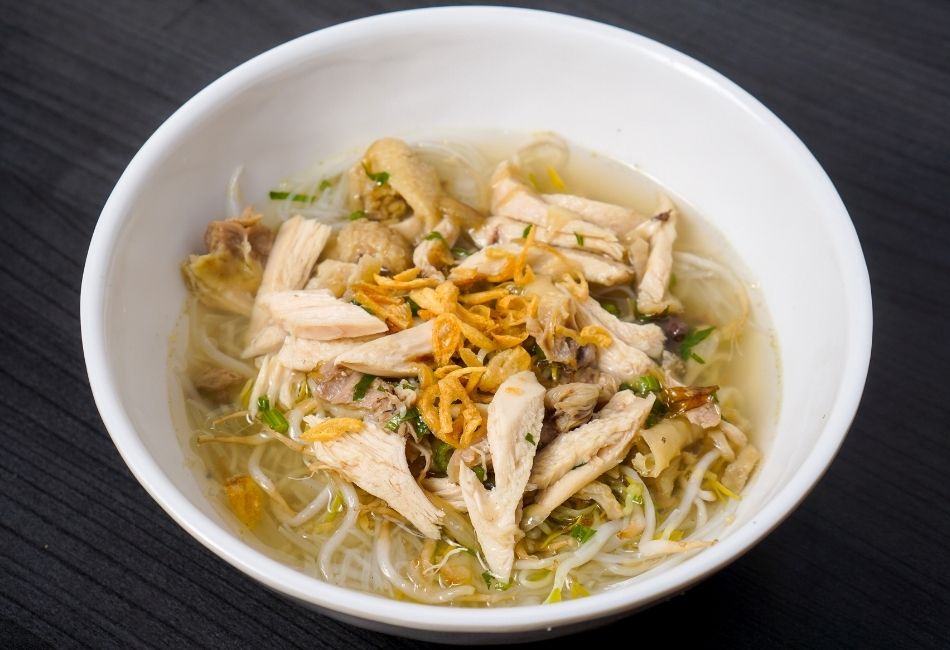
8. Soto Ayam Lamongan (Yellow Chicken Soup With Koya)
Soto Ayam Lamongan is a universally cherished, turmeric-infused chicken soup that provides immense comfort across the entire Indonesian archipelago. The vibrant main ingredients include shredded chicken, glass noodles, cabbage, and a boiled egg, but the magic lies in the koya—a savory powder made from crushed prawn crackers and fried garlic. Consequently, the flavor profile is intensely savory, brightened beautifully by a squeeze of fresh lime juice, representing elite traditional Javanese dishes.
This versatile soup is wildly popular for breakfast, though it remains a highly satisfying option for lunch or dinner. The soup usually arrives bubbling hot, and the ambient noise of clinking spoons creates a wonderfully immersive dining environment. For a masterclass in comforting Java local eats, this lively establishment is unbeatable:
- Restaurant Name: Soto Ayam Lamongan CAK HAR
- Address: Jl. Dr. Ir. H. Soekarno No.220, Semolowaru, Kec. Sukolilo, Surabaya, Jawa Timur 60117, Indonesia
- Opening Hours: 6:00 AM – 2:00 AM
- Price: 25,000 – 50,000 IDR
West Java & Jakarta: Fresh Herbs And Rich Broths
Highlighting a completely different gastronomic philosophy, West Java is widely recognized for Sundanese food, which heavily prioritizes fresh, raw vegetables (lalapan). Conversely, Jakarta showcases robust Betawi cuisine, famous for its culturally diverse, rich soups and energetic metropolitan street food culture.
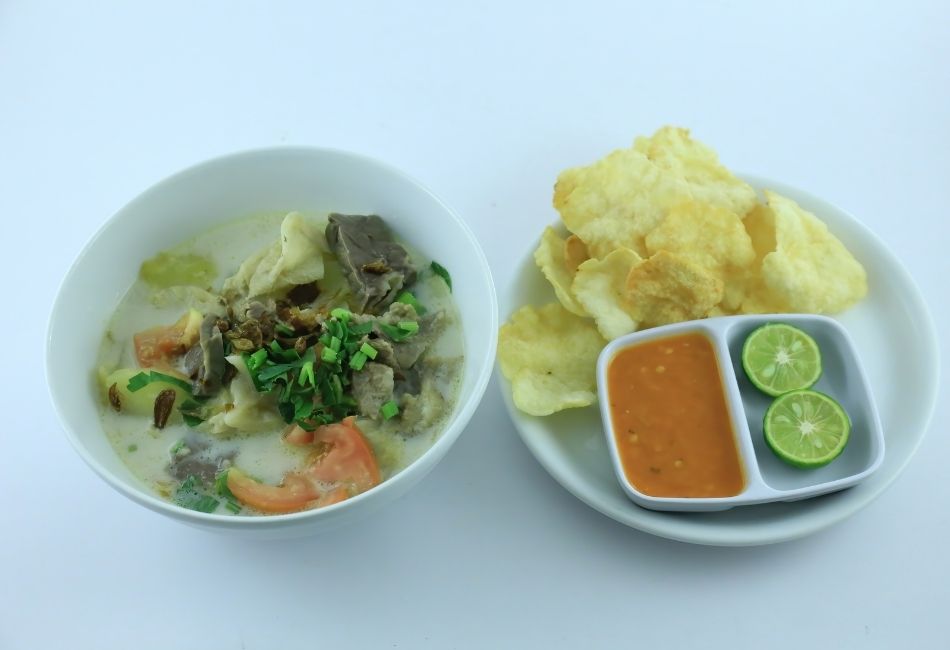
9. Soto Betawi (Jakarta Creamy Beef Soup)
Soto Betawi is the undisputed king of Jakarta’s soups, boasting a luxuriously rich, creamy texture that sets it apart from other regional variants. The indulgent main ingredients consist of tender beef cuts and offal swimming in a fragrant broth made from coconut milk, cow’s milk, and clarified butter (ghee). This produces a profoundly savory, slightly sweet flavor profile that dominates the Betawi cuisine landscape.
Office workers and travelers alike swarm local warungs during lunch to enjoy this heavy, satisfying meal alongside steamed rice and crispy emping crackers. Be sure to add a dash of sweet soy sauce and fiery sambal to cut through the broth’s intense richness. To taste this incredible Indonesian cuisine firsthand, we recommend this bustling venue:
- Restaurant Name: Soto Betawi Haji Husein
- Address: Jl. Padang Panjang No.6c, RT.8/RW.8, Ps. Manggis, Kecamatan Setiabudi, Kota Jakarta Selatan, Daerah Khusus Ibukota Jakarta 12850, Indonesia
- Opening Hours: 7:00 AM – 2:00 PM (Friday closed)
- Price: 35,000 – 70,000 IDR
10. Nasi Timbel (Banana Leaf Wrapped Rice)
Nasi Timbel is a rustic, highly traditional Sundanese meal that wonderfully emphasizes the natural, earthy aromas of its simple components. The core ingredients center around hot steamed rice tightly wrapped inside a fresh banana leaf, served alongside fried chicken, fried tofu, salted fish, and a generous portion of raw vegetables. The flavor is a beautiful balance of savory proteins, fresh greens, and spicy sambal, making it a quintessential Sundanese food experience.
This fragrant ensemble is the absolute perfect lunch option when you want something deeply filling yet wonderfully fresh. Diners frequently note how the heat of the freshly cooked rice releases the sweet, grassy scent of the banana leaf wrapping. For a highly immersive encounter with authentic Indonesian flavors, visit this renowned cultural hub:
- Restaurant Name: Nasi Bancakan
- Address: Jl. Diponegoro No.25, Citarum, Kec. Bandung Wetan, Kota Bandung, Jawa Barat 40115, Indonesia
- Opening Hours: 9:00 AM – 9:00 PM
- Price: 30,000 – 60,000 IDR
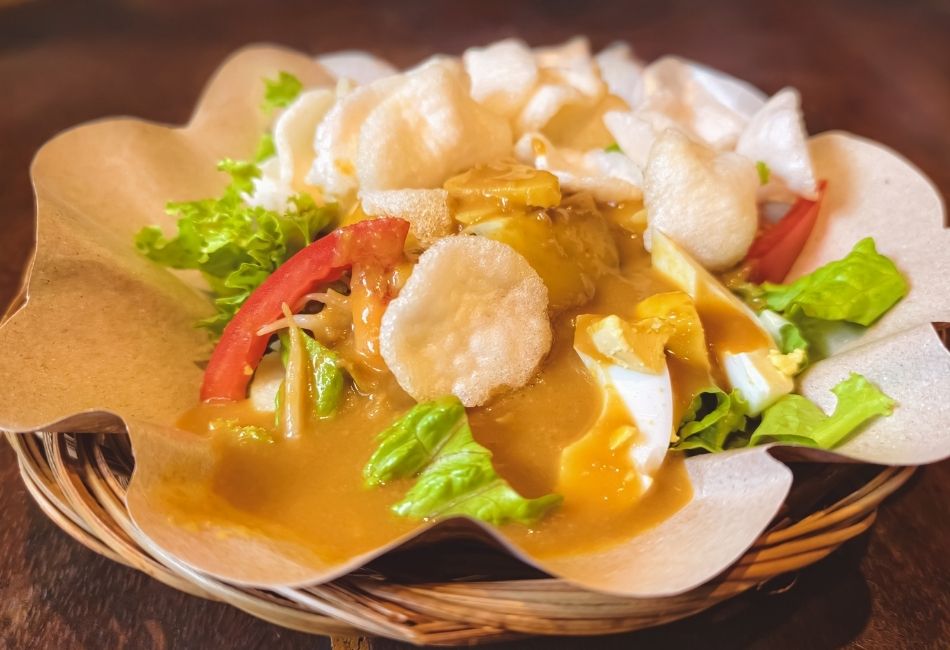
11. Gado-Gado (Vegetable Salad With Peanut Sauce)
Gado-Gado is a globally recognized Indonesian staple that translates literally to “mix-mix,” perfectly describing its chaotic yet harmonious assembly. The main ingredients feature lightly boiled vegetables like spinach, cabbage, and chayote, tossed with tofu, tempeh, and hard-boiled eggs, all drowned in a rich, freshly ground peanut sauce. This creates an irresistible flavor profile that is simultaneously sweet, savory, and mildly spicy, epitomizing the versatility of street food in Java.
Whether consumed as a healthy lunch or a hearty afternoon snack, this salad remains a refreshing, protein-packed choice. You should always ask the vendor to adjust the chili quantity in the peanut sauce to perfectly match your personal spice tolerance. For arguably the most historically celebrated Java food salad experience, direct your driver to this legendary alleyway spot:
- Restaurant Name: Gado Gado BON BIN
- Address: Jl. Cikini IV No.5, Cikini, Kec. Menteng, Kota Jakarta Pusat, Daerah Khusus Ibukota Jakarta 10330, Indonesia
- Opening Hours: 10:00 AM – 5:00 PM
- Price: 35,000 – 65,000 IDR
Tips for Enjoying Local Food Safely
Exploring Java’s vibrant street food scene and traditional warungs is a memorable, highly rewarding cultural experience. However, to fully enjoy your Java local eats without any unfortunate stomach setbacks, follow these practical safety guidelines when dining out:
- Follow the locals: Choose food stalls and restaurants that are visibly busy with local customers. A high turnover rate usually means the ingredients are fresh and continuously replenished throughout the day.
- Watch the preparation: Opt for traditional Javanese dishes that are cooked to order right in front of you. Food served piping hot is generally much safer than pre-cooked meals sitting at room temperature.
- Be cautious with water and ice: Drink strictly sealed, bottled water during your travels. Avoid ice in your drinks at street carts unless you are dining at a well-established restaurant that explicitly uses purified ice.
- Pace your spice intake: The sambal found in East Java spicy food can be remarkably fiery. If you are not used to heavy chili, politely ask for “tidak pedas” (not spicy) or “sedikit pedas” (a little spicy) to let your digestive system adjust.
- Stick to peelable fruits: When buying fresh fruits from street vendors, choose varieties you can easily peel yourself, such as bananas, oranges, or salak (snake fruit), to avoid exposure to unpurified tap water.
- Carry hand sanitizer: Facilities for washing hands might not always be accessible at humble street-side stalls. Always thoroughly sanitize your hands before eating, especially if you plan to eat with your bare hands, as is highly common in Indonesian cuisine.
Experience Authentic Javanese Food with Indonesia Impression Tour
The profoundly rich culinary heritage of Java offers travelers a mesmerizing mosaic of unforgettable sweet, savory, and intensely spicy flavors. We highly encourage readers to experience these deeply authentic street foods and traditional dishes without the exhausting hassle of navigating local logistics, hunting down hidden warungs, or struggling through complex language barriers.
To maximize your gastronomic adventure, we strongly recommend exploring the specific Java tour packages provided by Indonesia Impression Tour. Their expertly crafted itineraries help travelers safely explore the most authentic Indonesian flavors without the overwhelming stress of independent planning. Book a customizable tour with Indonesia Impression Tour today for discovering the true, uncompromising taste of Indonesia comfortably.
Explore: