Tana Toraja is a highland region in South Sulawesi known for its distinctive Tongkonan houses, ancestral burial sites, traditional ceremonies and terraced countryside. The wider Tana Toraja region in South Sulawesi includes attractions across both Tana Toraja and North Toraja, with Makale and Rantepao serving as the main visitor bases.
Many of the best things to do in Tana Toraja involve learning about the relationship between Torajan communities, their ancestors and the surrounding landscape. Visitors can explore traditional villages, cliff graves, rice fields, local markets and mountain viewpoints while gaining a deeper understanding of one of Indonesia’s most distinctive regional cultures.
Things to Do in Tana Toraja by Experience
| Experience Category | Main Highlights | Best for |
| Culture and Heritage | Ke’te Kesu, Londa, Lemo, Bori’ Parinding, Rambu Solo’ and Kambira | Traditional architecture, burial customs and Torajan culture |
| Nature and Outdoor Activities | Batutumonga, Mount Sesean and Buntu Burake | Highland views, hiking and photography |
| Local Life and Crafts | Bolu Market and Sa’dan Weaving Village | Markets, local communities and traditional textiles |
| Food and Coffee | Torajan cuisine and locally grown coffee | Regional flavours and culinary experiences |
1. Explore the Traditional Village of Ke’te Kesu
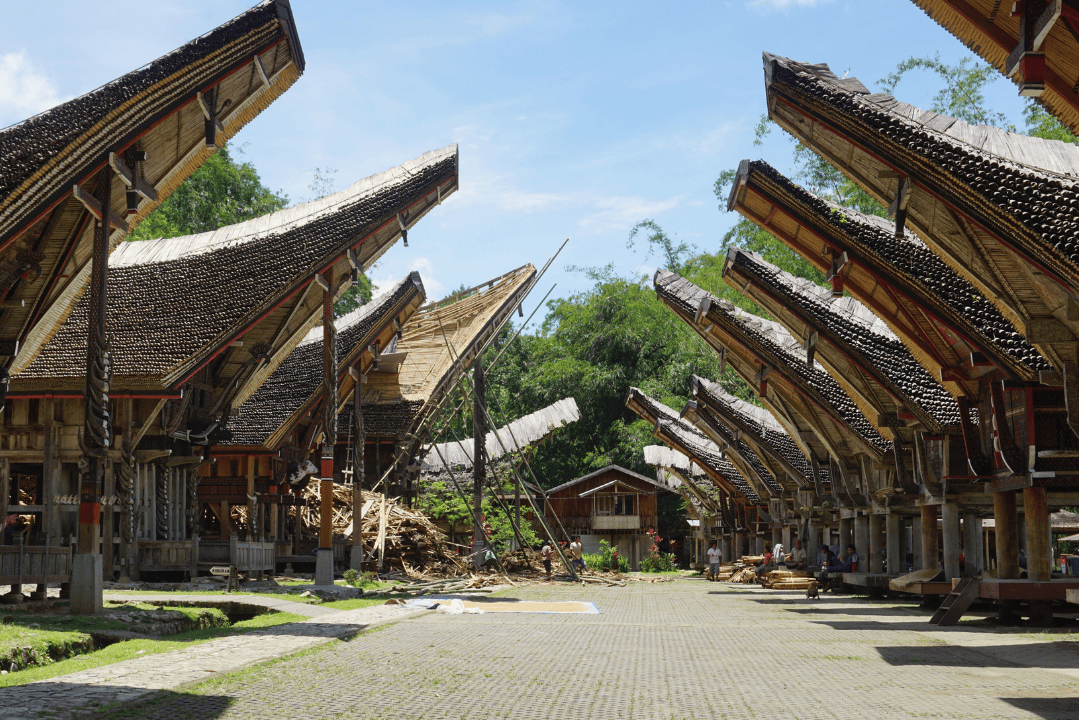
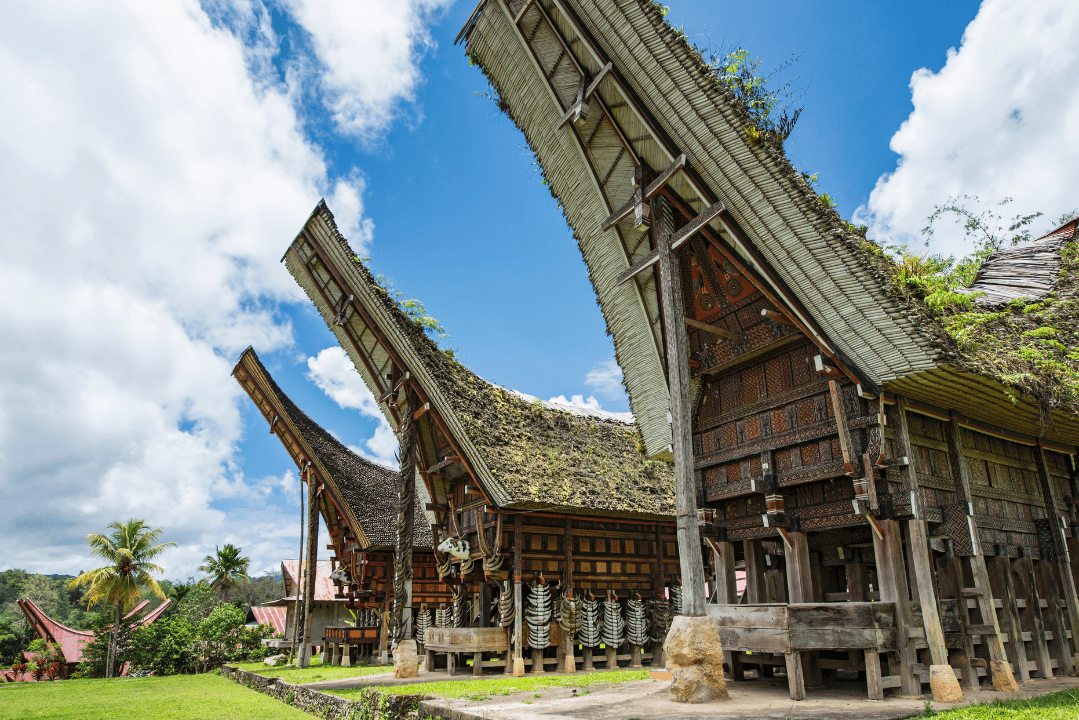
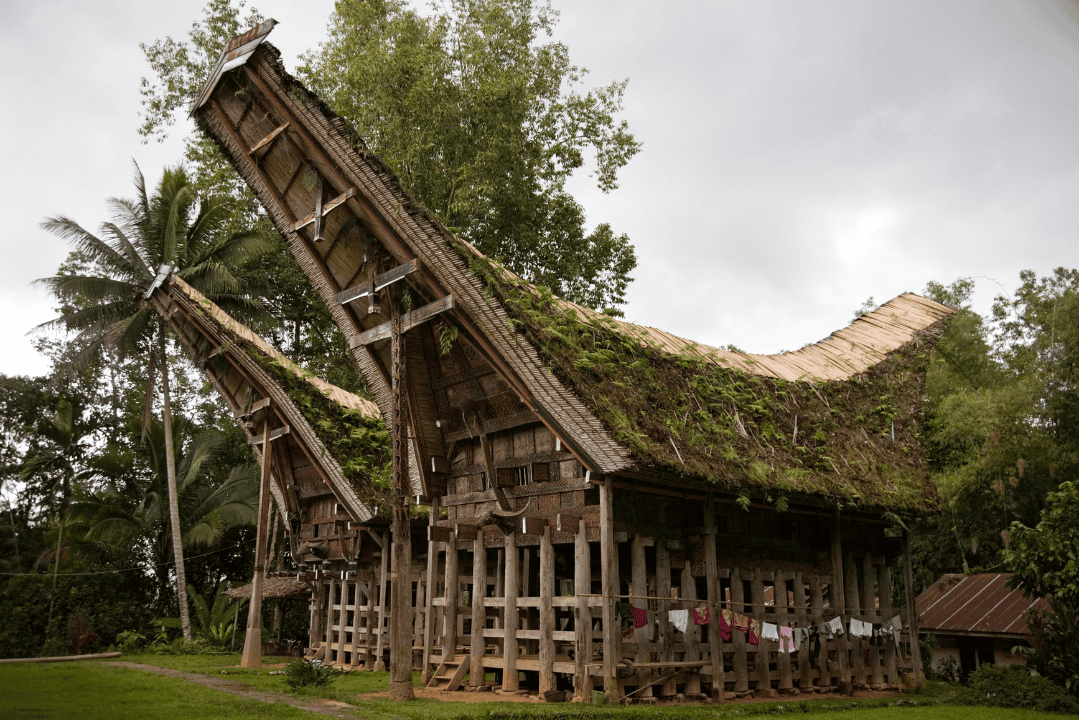
Ke’te Kesu is one of the best-known traditional villages in the Toraja highlands. Its central area features rows of Tongkonan ancestral houses and rice granaries arranged around an open ceremonial space.
Behind the village, visitors can follow a path towards burial sites containing stone graves, wooden coffins and historic remains. A small museum within the village also displays traditional carvings, textiles, ceramics and other cultural objects.
- Best for: First-time visitors, traditional architecture and cultural history
- Location: Pantanakan Lolo, Kec. Kesu, Kabupaten Toraja Utara, Sulawesi Selatan
- Local tip: Visit earlier in the day and allow enough time to explore both the Tongkonan village and the burial area.
2. Visit the Londa Burial Caves
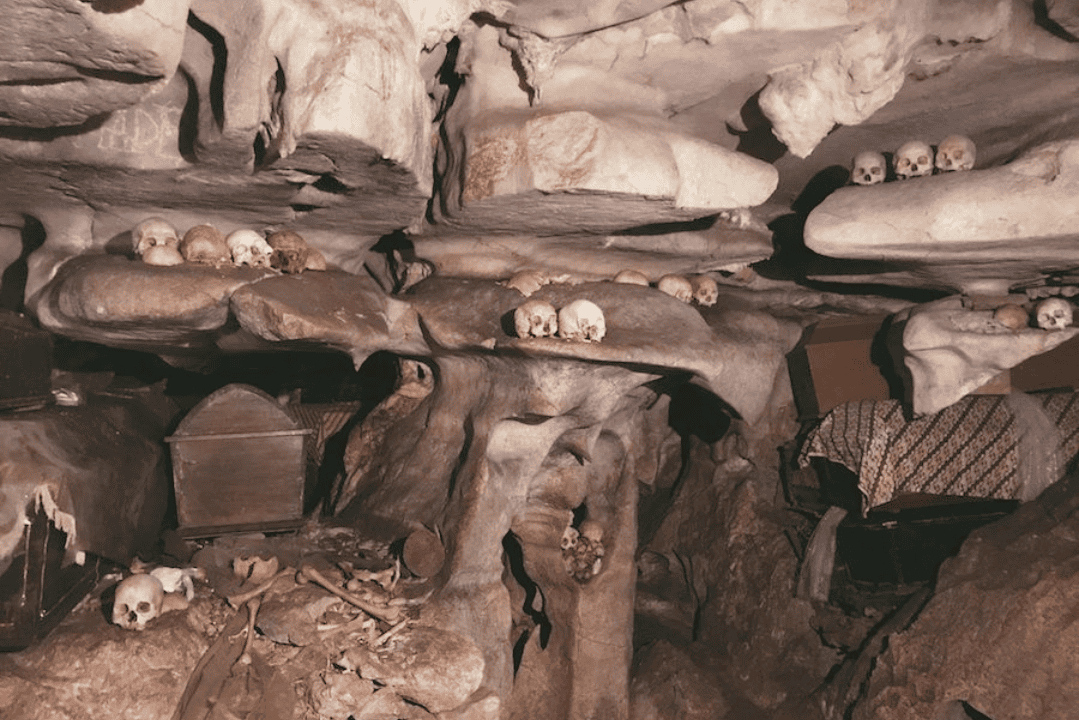
Londa is one of the most recognised burial sites in Tana Toraja. Coffins and human remains were traditionally placed inside natural caves and rock crevices, while burial chambers for higher-status individuals were carved into the limestone cliff.
Tau-tau wooden figures can also be seen near some burial chambers. A local guide can explain the cultural meaning of the site and assist visitors through the darker sections of the cave.
- Best for: Cultural history and traditional burial practices
- Location: Lembang Sangbua, Kesu, Tadongkon, Kec. Kesu, Kabupaten Toraja Utara, Sulawesi Selatan
- Local tip: Bring suitable footwear and avoid touching coffins, human remains or ceremonial objects.
3. See the Cliff Graves and Tau-Tau at Lemo
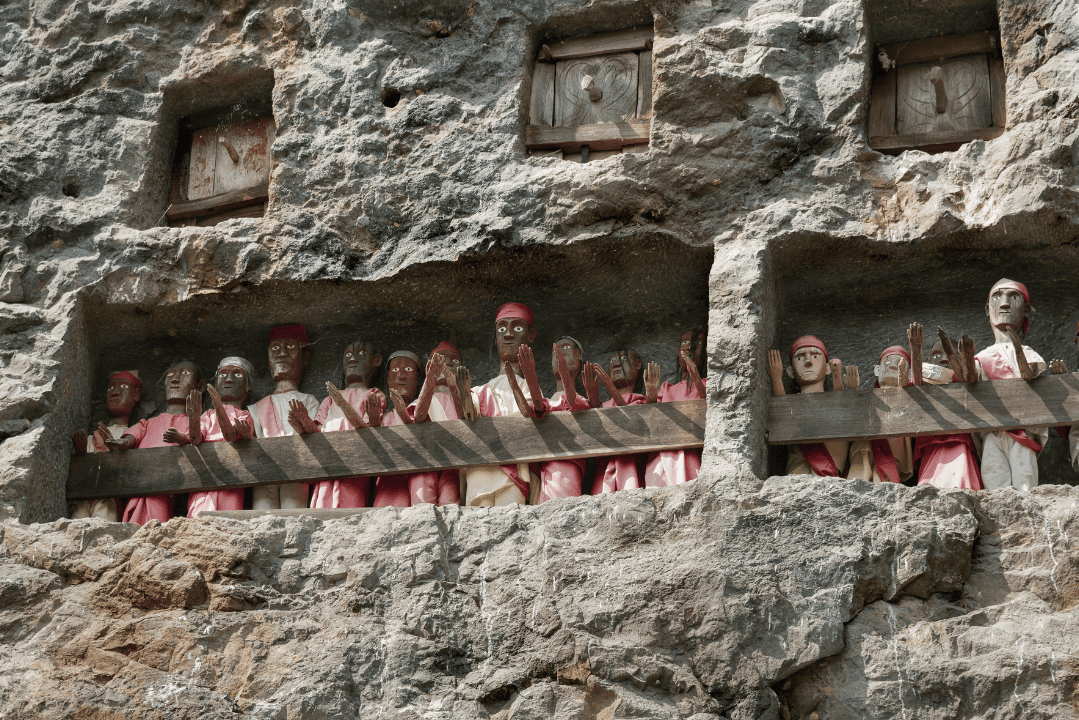
Lemo is known for its burial chambers carved directly into a high limestone cliff. Wooden balconies attached to the rock display rows of tau-tau figures representing people buried within the cliff.
A path through surrounding rice fields provides clear views of the burial wall and its connection to the agricultural landscape. The setting makes Lemo one of the most visually distinctive places to visit in Tana Toraja.
- Best for: Photography, cultural history and rural scenery
- Location: Lemo, Makale Utara, Tana Toraja Regency, South Sulawesi
- Local tip: Wear shoes with adequate grip, as the paths around the rice fields may become muddy after rain.
4. Discover the Menhirs of Bori’ Parinding
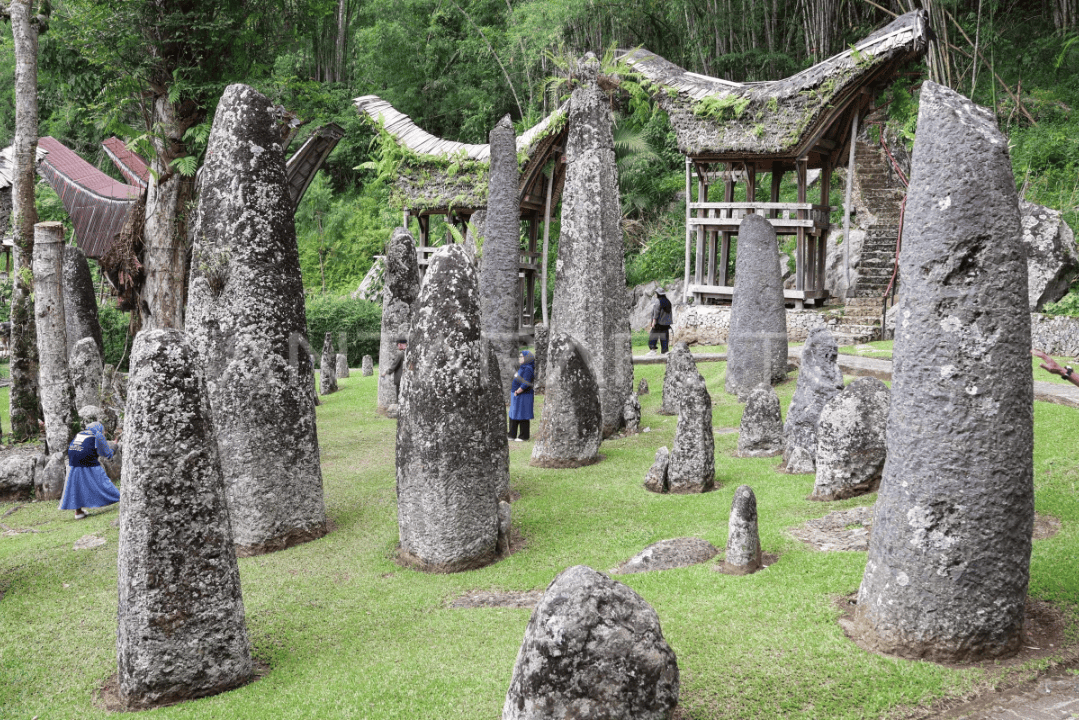
Bori’ Parinding is a megalithic ceremonial and burial site containing more than 100 standing stone pillars. Each stone is associated with a traditional ceremony held for a person of high social standing.
Burial chambers can also be found in large rocks and nearby cliffs. The site remains culturally important to surrounding communities and is best visited with someone who can explain the meaning of the stones.
- Best for: Megalithic heritage, archaeology and cultural interpretation
- Location: Bori, Sesean, North Toraja Regency, South Sulawesi
- Local tip: Combine Bori’ Parinding with Batutumonga, as both attractions are located north of Rantepao.
5. Enjoy the Highland Views from Batutumonga
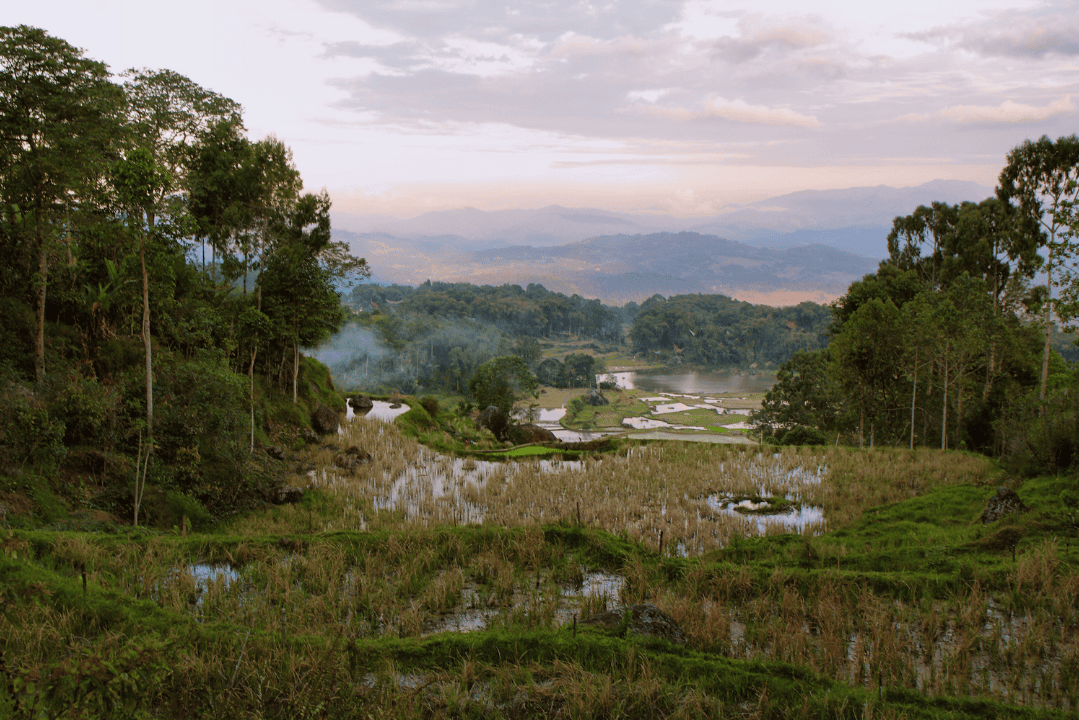
Batutumonga is located on the slopes of Mount Sesean and offers broad views across the Toraja highlands. From the ridge, visitors can see terraced rice fields, forested hills, traditional villages and the Rantepao valley below.
The road towards Batutumonga passes through rural settlements and several scenic viewpoints. Visitors can also arrange countryside walks through nearby rice fields and villages.
- Best for: Landscapes, village walks and rural scenery
- Location: Lempo, Sesean Suloara, North Toraja Regency, South Sulawesi
- Local tip: Visit in the morning, when visibility is usually clearer and temperatures are cooler.
6. Hike Mount Sesean
Mount Sesean is one of the main hiking destinations in the Toraja highlands. The route passes through farmland, mountain vegetation and rural settlements before reaching elevated viewpoints over the surrounding valleys.
Hiking conditions depend on the weather, particularly during periods of rain or low cloud. Travellers should arrange a local guide, wear appropriate footwear and bring warm layers for an early morning start.
- Best for: Hiking, sunrise views and highland landscapes
- Location: Pangkung Batu, Buntu Pepasan, North Toraja Regency, South Sulawesi
- Local tip: Confirm the trail, starting point and weather conditions with a local guide before beginning the hike.
7. Attend a Rambu Solo’ Ceremony Respectfully
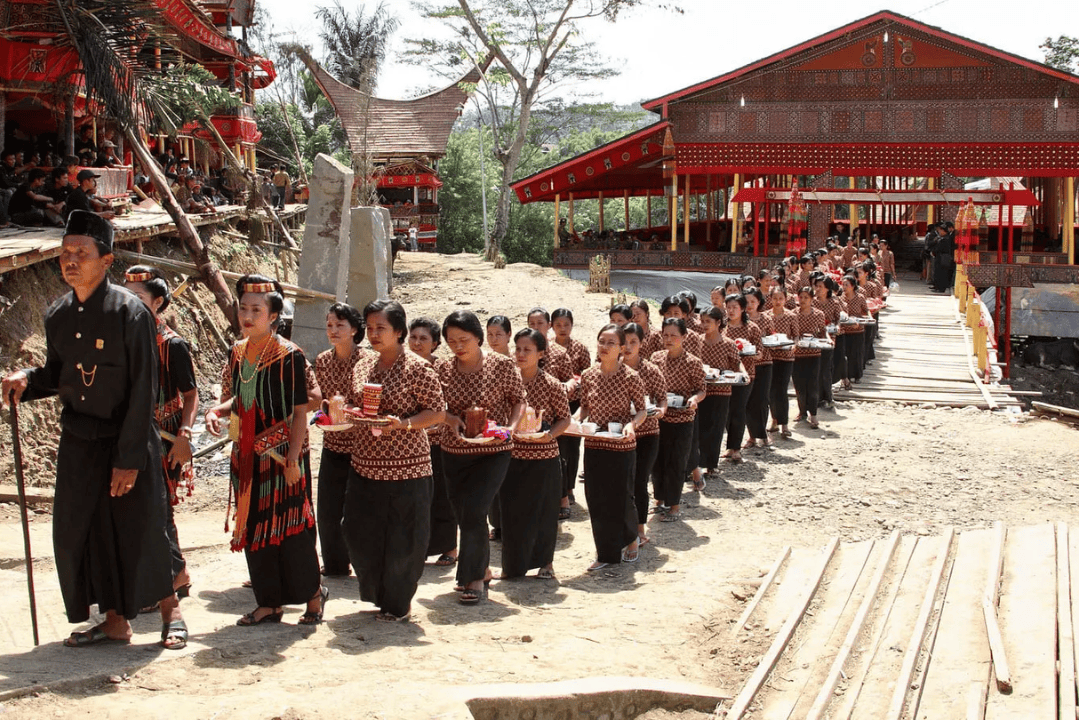
Rambu Solo’ is the traditional Torajan funeral ceremony and one of the region’s most significant cultural events. Torajan beliefs consider death a gradual transition, and the deceased may remain with the family while ceremonial preparations are completed.
A ceremony may include extended family gatherings, processions, traditional clothing, music, shared meals and animal sacrifices. Dates are determined by individual families, so ceremonies do not follow a fixed public schedule.
- Best for: Understanding living Torajan traditions
- Local tip: Attend only with permission or through a local guide. Dress modestly, follow the family’s instructions and ask before taking photographs.
8. Learn About Historic Tree Burials at Kambira
Kambira is associated with a historic burial practice in which babies who died before teething were placed inside cavities cut into living trees. The cavities were then covered with palm fibre while the tree continued to grow around them.
This practice is no longer carried out, but the remaining burial trees offer insight into traditional Torajan beliefs about infancy, nature and the transition between life and death.
- Best for: Cultural education and lesser-known Torajan traditions
- Location: Tongko Sarapung, Sangalla, Tana Toraja Regency, South Sulawesi
- Local tip: Treat the area as a sacred burial site and avoid touching the trees or burial covers.
9. Experience Local Life at Bolu Market
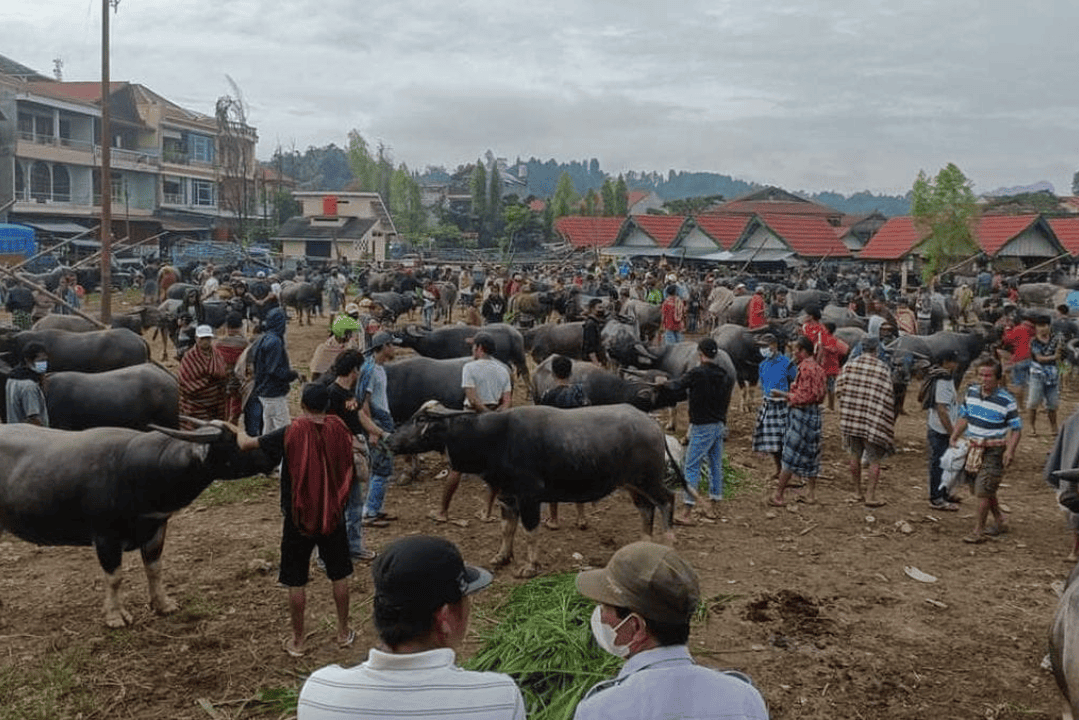
Bolu Market provides a closer look at everyday trade in the Toraja highlands. Visitors can find vegetables, spices, household goods, agricultural products and other items used by local communities.
The market is particularly known for its periodic water buffalo market. Buffaloes hold major economic and ceremonial importance in Torajan culture, with buyers examining their size, horns, markings and condition before negotiating a price.
- Best for: Local culture, traditional markets and photography
- Location: Tallunglipu Matalo, Tallunglipu, North Toraja Regency, South Sulawesi
- Local tip: Confirm the next main livestock market day with your guide or accommodation provider before visiting.
10. See Traditional Weaving in Sa’dan
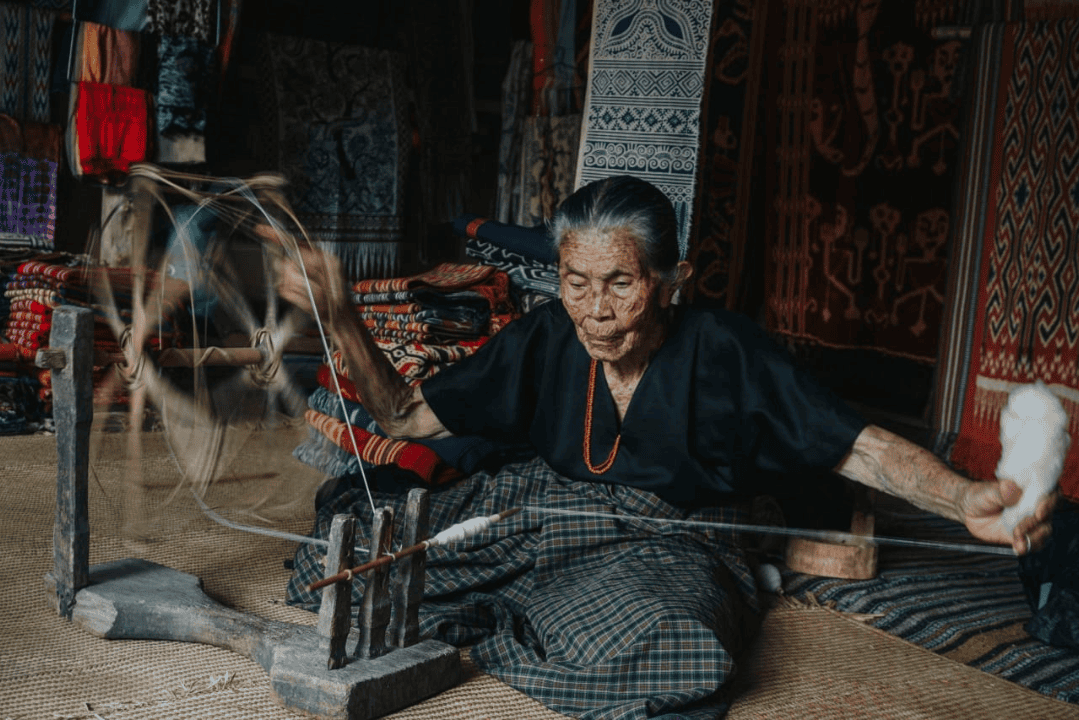
The villages around Sa’dan are known for Torajan handwoven textiles. Visitors can observe local artisans working on traditional looms and learn how geometric patterns and colours are incorporated into ceremonial and everyday fabrics.
Sa’dan can be combined with other traditional villages in northern Toraja. Purchasing textiles directly from local producers also gives visitors an opportunity to learn more about the materials, techniques and meaning behind each design.
- Best for: Traditional crafts, textiles and locally made souvenirs
- Location: Sangkaropi, Kec. Sa’dan, Kabupaten Toraja Utara, Sulawesi Selatan
- Local tip: Ask permission before photographing artisans, particularly when they are working close to their homes.
11. Try Torajan Food and Local Coffee
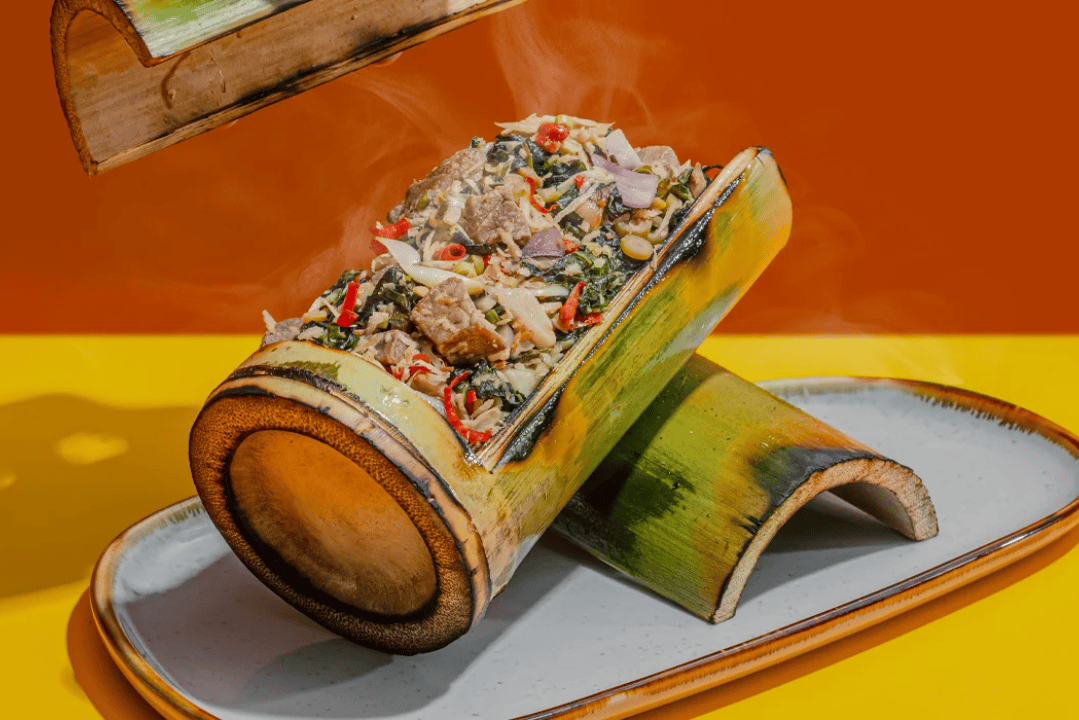
Trying regional food is one of the most accessible things to do in Tana Toraja. A well-known local dish is pa’piong, which combines meat, vegetables, herbs and seasonings cooked slowly inside a bamboo tube.
Toraja is also an established coffee-growing region. Visitors can taste locally grown Arabica coffee in cafés around Rantepao or arrange visits closer to the farms and villages where it is produced.
- Best for: Regional food, coffee and culinary experiences
- Location: Torajan food and coffee in Rantepao
- Local tip: Ask about the ingredients before ordering, particularly if you have dietary restrictions or do not eat certain types of meat.
12. Take in the Views from Buntu Burake
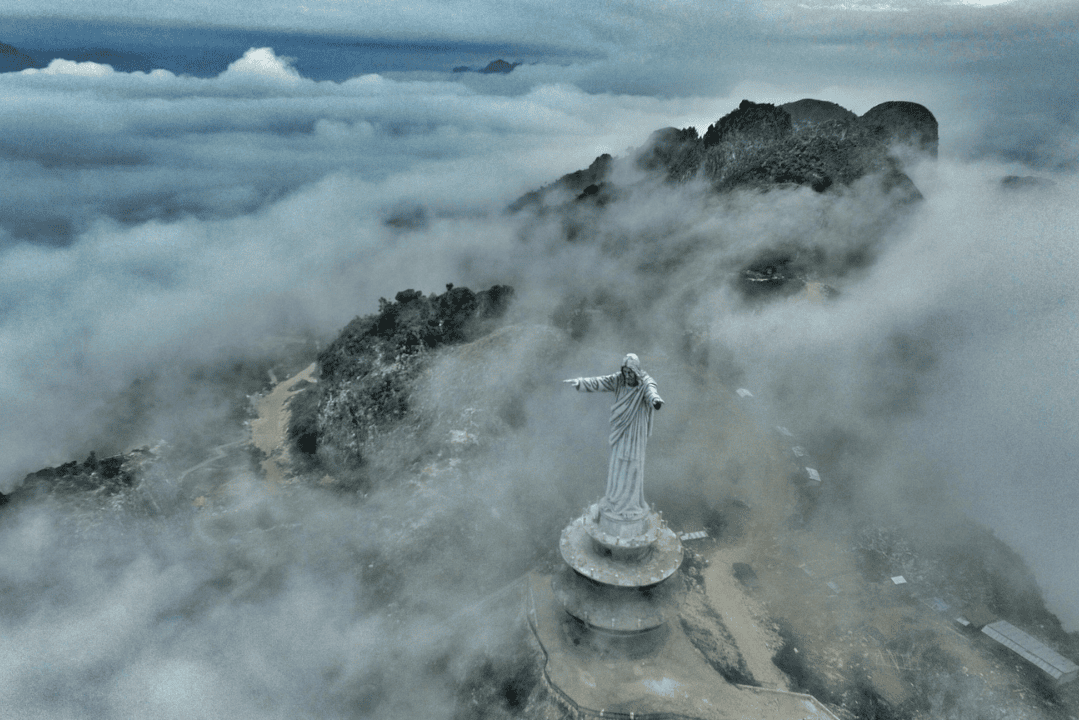
Buntu Burake is a hilltop religious tourism site overlooking Makale and the surrounding valleys. Its main landmark is a large statue of Jesus Christ positioned above the town.
Visitors come for both the religious significance of the site and its panoramic views across the Toraja highlands. The elevated location is particularly suitable for photography when the weather is clear.
- Best for: Panoramic views, family visits and photography
- Location: Buntu Burake, Makale, Tana Toraja Regency, South Sulawesi
- Local tip: Combine Buntu Burake with southern attractions such as Lemo or Kambira to reduce travel time.
How Many Days Do You Need in Tana Toraja?
Three to four days is a practical amount of time for most first-time visitors. This provides enough time to explore the main cultural sites around Rantepao and Makale without rushing between different areas.
A suggested plan may include:
- One day for Ke’te Kesu, Londa and nearby cultural sites
- One day for Batutumonga, Bori’ Parinding and northern villages
- One day for Lemo, Kambira and Buntu Burake
- One additional day for hiking, markets or a scheduled cultural ceremony
Travellers with only two days can still visit several main attractions, but a longer stay allows more time for village walks and experiences that depend on local schedules.
Best Time and Travel Tips for Tana Toraja
When Is the Best Time to Visit Tana Toraja?
- Best time to visit Tana Toraja: May to September generally offers favourable conditions for road travel, hiking and outdoor sightseeing across the highlands.
- Best time for traditional ceremonies: June to August is a popular period for experiencing Toraja’s cultural traditions, as more traditional funeral ceremonies commonly take place during these months.
Tips for Visiting Tana Toraja
- Plan for changing weather: June to August are typically the driest months, but rain can occur throughout the year, particularly in the highlands.
- Check ceremony schedules locally: Traditional funeral ceremonies do not follow a fixed tourism calendar. Ask your local guide about ceremonies taking place during your stay if this is an important part of your visit.
- Pack for the highlands: Bring comfortable walking shoes, a lightweight rain jacket and an extra layer for cooler mornings and evenings.
How to Get to Tana Toraja
The most common way to reach Tana Toraja is via Makassar in South Sulawesi, followed by an overland journey to Rantepao. The trip from Makassar to Rantepao typically takes around eight hours, although travel time can vary with traffic, weather and road conditions.
- By private car or driver: The most flexible option for travelling from Makassar to Tana Toraja, with the freedom to stop for meals, viewpoints or breaks along the route.
- By long-distance bus: Regular buses operate between Makassar and Rantepao, providing a more affordable option for independent travellers.
For a more convenient journey from Makassar and easier access to key attractions across the highlands, explore our Tana Toraja tour with private transportation and a local English-speaking guide.
Responsible Travel in Tana Toraja
Many Tana Toraja attractions remain active villages, family properties, burial grounds and ceremonial spaces. They should not be treated only as tourist attractions.
Visitors should follow several basic principles:
- Ask permission before entering private areas.
- Do not touch coffins, human remains, tau-tau or ceremonial objects.
- Request consent before photographing local residents.
- Dress modestly when attending a ceremony.
- Follow the instructions of the host family or local guide.
- Avoid blocking processions or community activities.
- Support local guides, artisans and community-owned businesses.
Respectful behaviour helps protect Torajan cultural heritage while allowing visitors to understand the region in a more meaningful way.
Explore Tana Toraja with Indonesia Impression Tour
Planning a journey through Tana Toraja requires more than selecting a list of attractions. Cultural sites are spread across the highlands, ceremony dates can change, and many experiences are more meaningful with a knowledgeable local guide.
Indonesia Impression Tour creates customised private journeys with local guides, accommodation and transportation arranged around each traveller’s interests. Explore the Sulawesi Tana Toraja Tour or create a personalised itinerary through the Toraja highlands.
Plan your private Tana Toraja journey and experience one of Indonesia’s most distinctive cultural regions.
FAQ About Tana Toraja
What Is Tana Toraja Famous For?
Tana Toraja is famous for its Tongkonan ancestral houses, elaborate funeral ceremonies, cliff and cave burials, tau-tau effigies, megalithic sites and mountainous rice-terrace landscapes.
Is Tana Toraja Worth Visiting?
Tana Toraja is worth visiting for travellers interested in culture, traditional architecture, anthropology, rural landscapes and regional customs that differ from Indonesia’s better-known beach destinations.
Can Tourists Attend a Torajan Funeral?
Visitors may attend some Rambu Solo’ ceremonies with the family’s permission. Arranging the visit through a local guide is recommended so that visitors understand the required clothing, gifts, photography rules and ceremonial etiquette.
Is Tana Toraja Suitable for Children?
Families can visit traditional villages, rice terraces, weaving centres and scenic viewpoints. Parents should consider whether burial sites and ceremonies involving animal sacrifice are suitable for their children.
Where Should You Stay in Tana Toraja?
Rantepao is the most practical base for first-time visitors because it provides accommodation, restaurants, markets and access to many major cultural sites. Makale is another option for travellers focusing on southern Tana Toraja.
How Far Is Tana Toraja from Makassar?
The road journey from Makassar to Rantepao usually takes around eight hours. Travel time may vary depending on traffic, weather and road conditions.