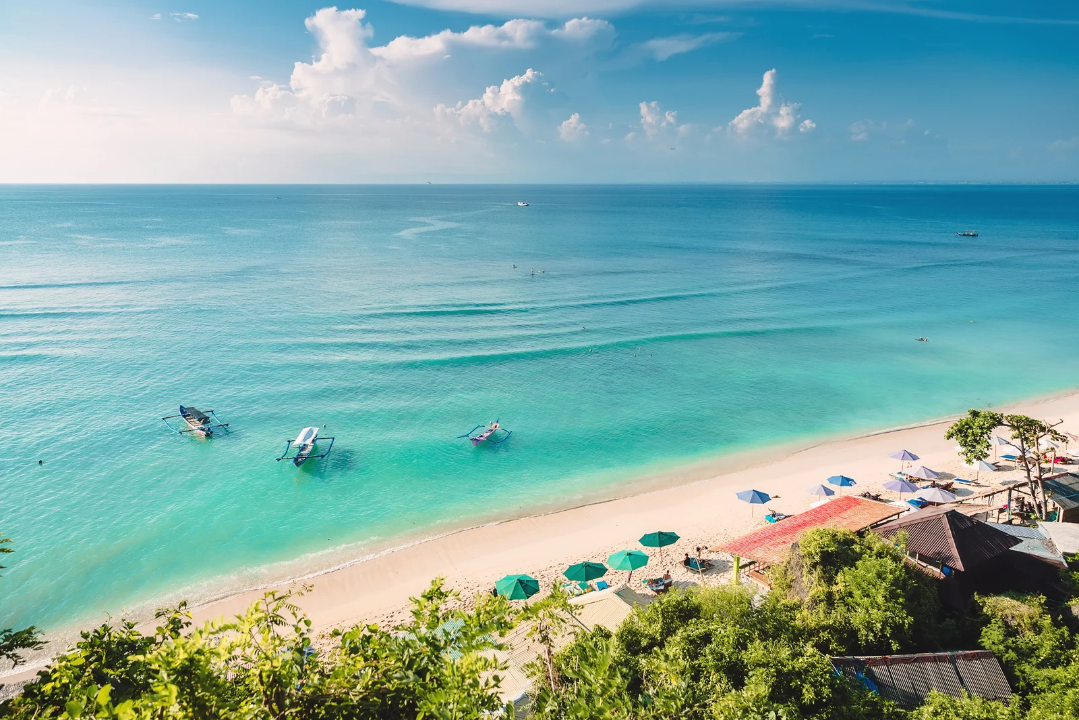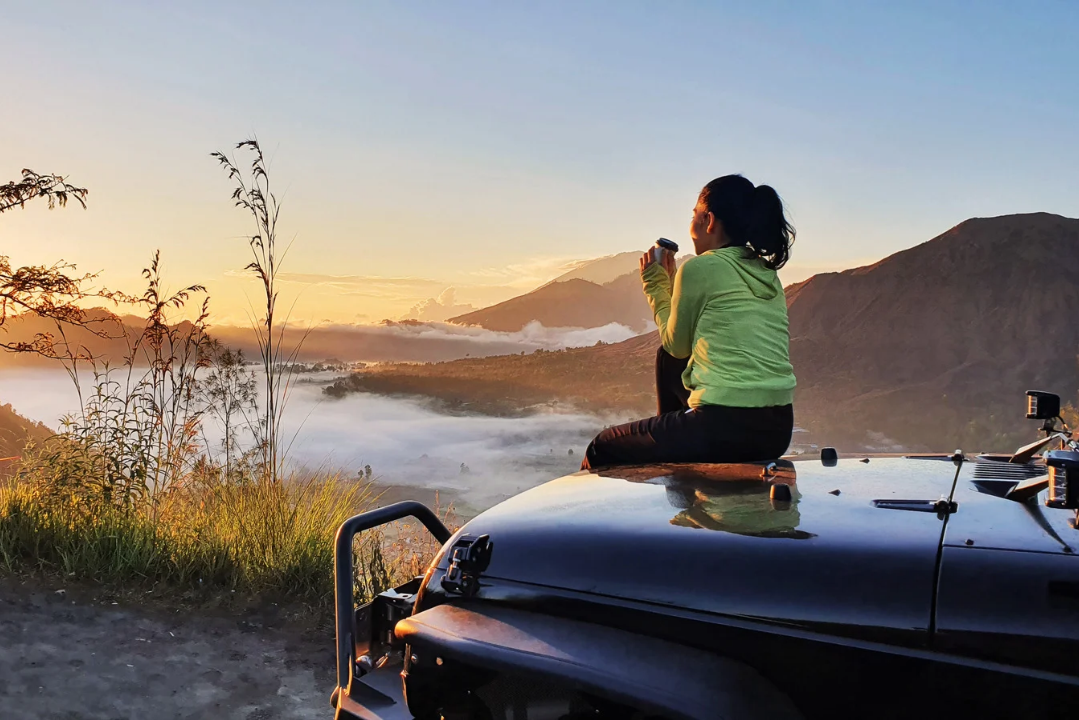
Sumba, in East Nusa Tenggara, combines traditional villages, megalithic culture, waterfalls, beaches and wide savannah landscapes. Because many attractions are spread between West, Southwest, Central and East Sumba, choosing the right route is an important part of planning a trip.
The best places to visit in Sumba range from Waikuri Lagoon and Ratenggaro Village in the west to Wairinding, Walakiri and the waterfalls of East Sumba. Travellers planning to explore several regions can also consider Indonesia Impression Tour’s Sumba Island tours, which combine cultural and natural highlights within private itineraries across the island.
Places to Visit in Sumba by Experience
| Experience Category | Main Highlights | Best For |
| Traditional Villages & Culture | Ratenggaro, Prai Ijing and Kampung Tarung | Traditional architecture, Marapu culture and local crafts |
| Lagoons & Waterfalls | Waikuri, Lapopu, Tanggedu and Waimarang | Swimming, nature and outdoor exploration |
| Beaches & Coastal Landscapes | Mandorak, Puru Kambera and Walakiri | Coastlines, sunsets and photography |
| Hills & Savannahs | Wairinding and Tanarara | Panoramic landscapes, scenic drives and seasonal colours |
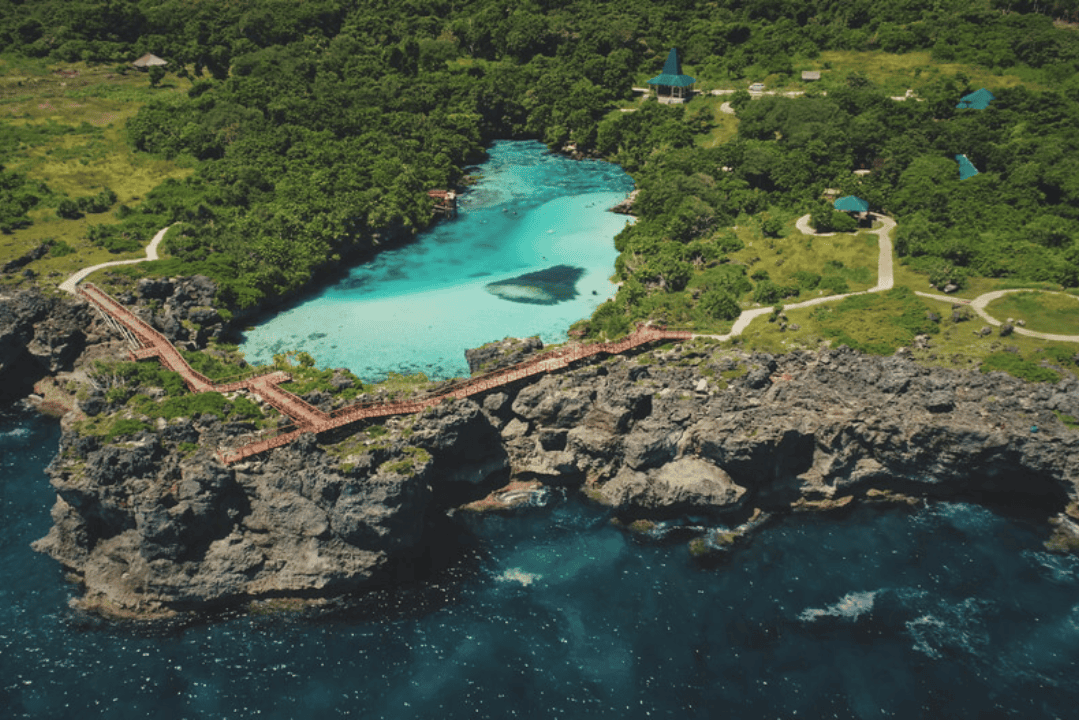
1. Waikuri Lagoon – Best for Swimming and Natural Scenery
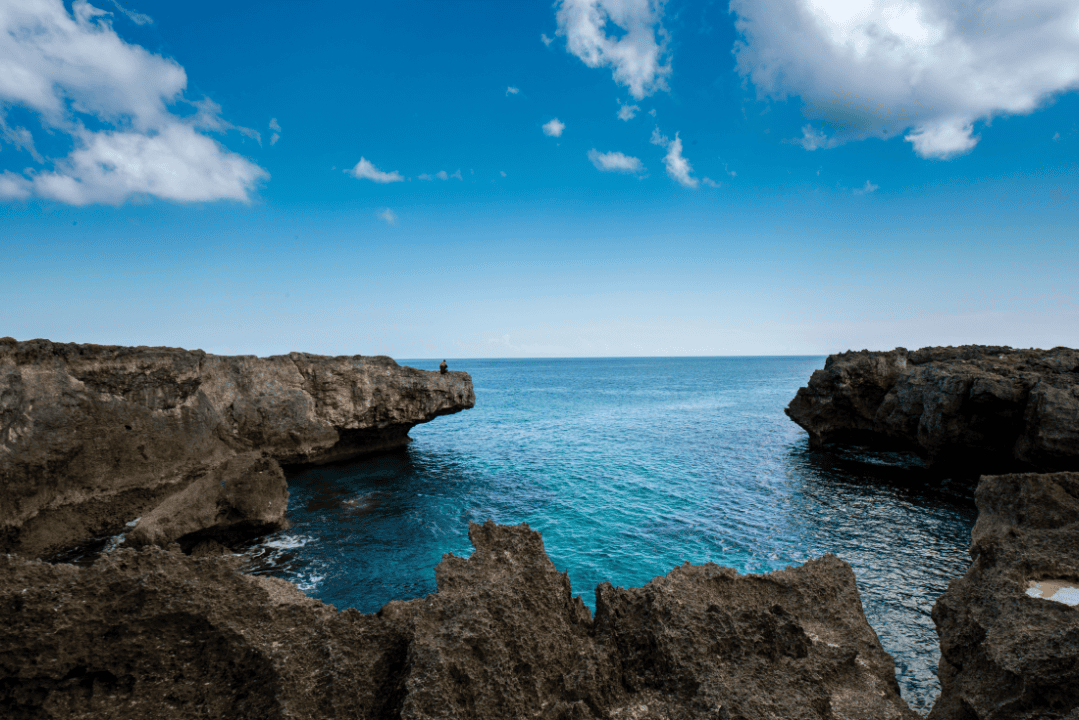
Waikuri Lagoon, also widely known as Weekuri Lagoon, is a saltwater lagoon in Southwest Sumba surrounded by limestone and coastal vegetation. Seawater enters through openings in the surrounding rock, creating the clear blue-green water that has made the lagoon one of Sumba’s best-known natural attractions.
Its location in the Kodi area also makes Waikuri easy to combine with Mandorak Beach during the same day.
- Best for: Swimming and natural scenery
- Location: Desa, Kalena Rongo, Kec. Kodi Utara, Kabupaten Sumba Barat Daya, Nusa Tenggara Tim., Indonesia
- Local tip: Check local water conditions before swimming and allow time to explore the surrounding limestone coastline.
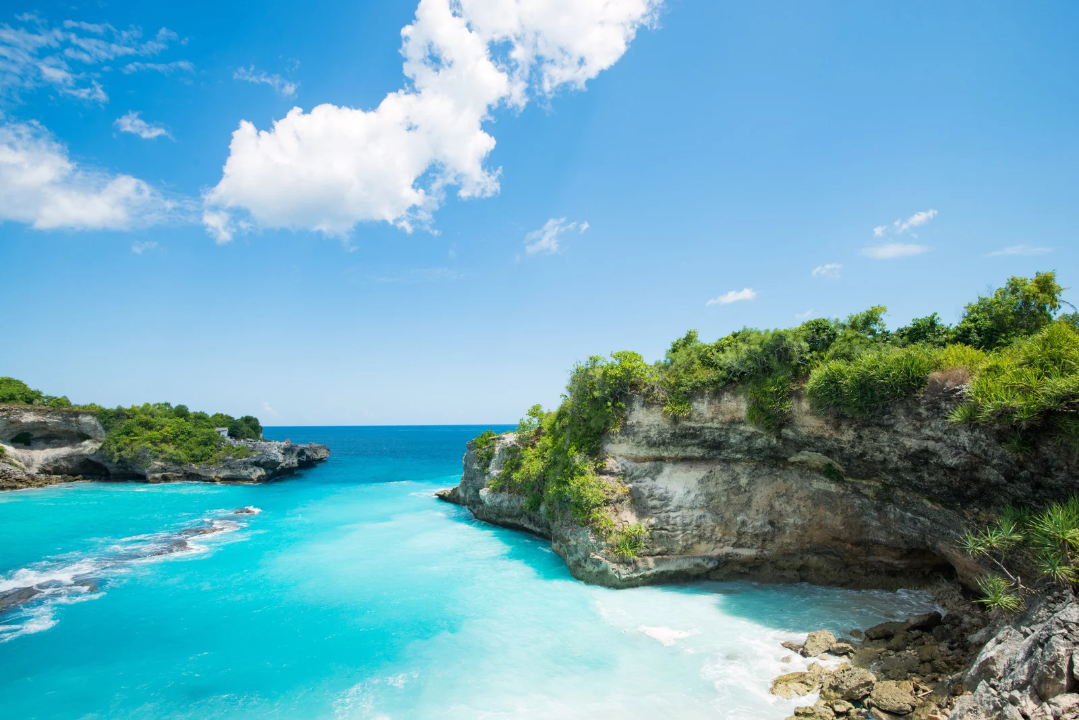
2. Mandorak Beach – Best for Dramatic Coastal Scenery
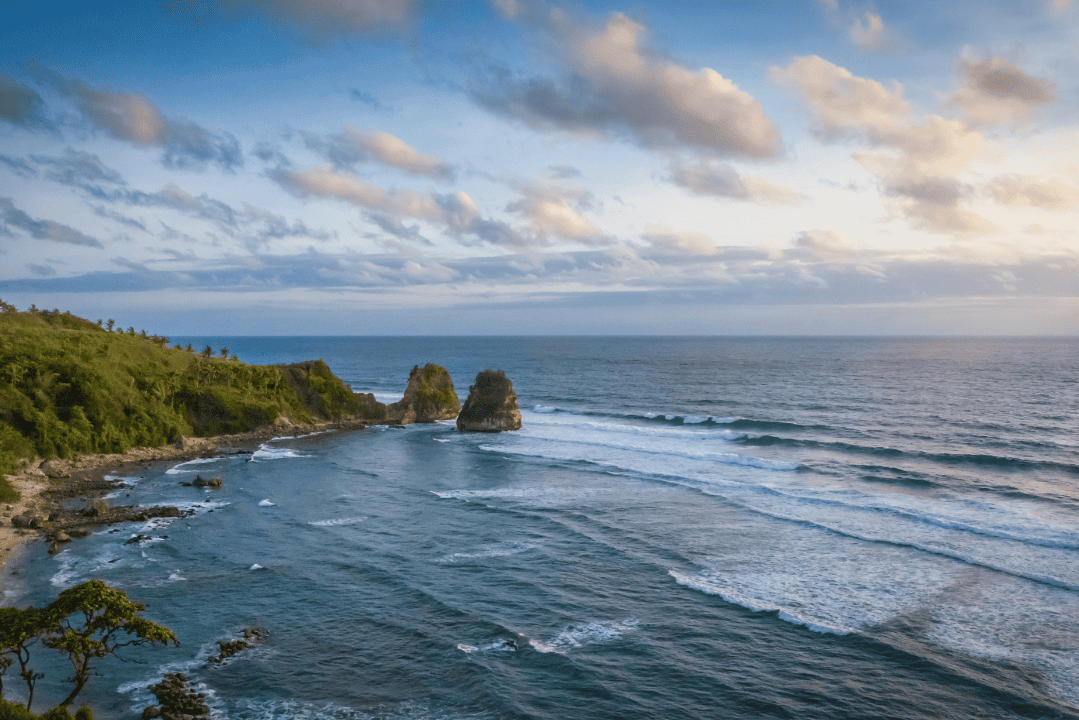
Mandorak Beach is a small coastal inlet framed by limestone cliffs and prominent offshore rock formations. Its white sand, turquoise water and rugged coastline make it particularly suitable for landscape and coastal photography.
Because Mandorak lies close to Waikuri Lagoon, the two attractions are best visited together rather than planned as separate day trips.
- Best for: Coastal scenery and photography
- Location: Kalena Rongo, Kodi Utara, Southwest Sumba Regency, East Nusa Tenggara, Indonesia
- Local tip: Combine Mandorak Beach with Waikuri Lagoon to reduce unnecessary travel around the Kodi area.
3. Ratenggaro Village – Best for Traditional Sumbanese Culture
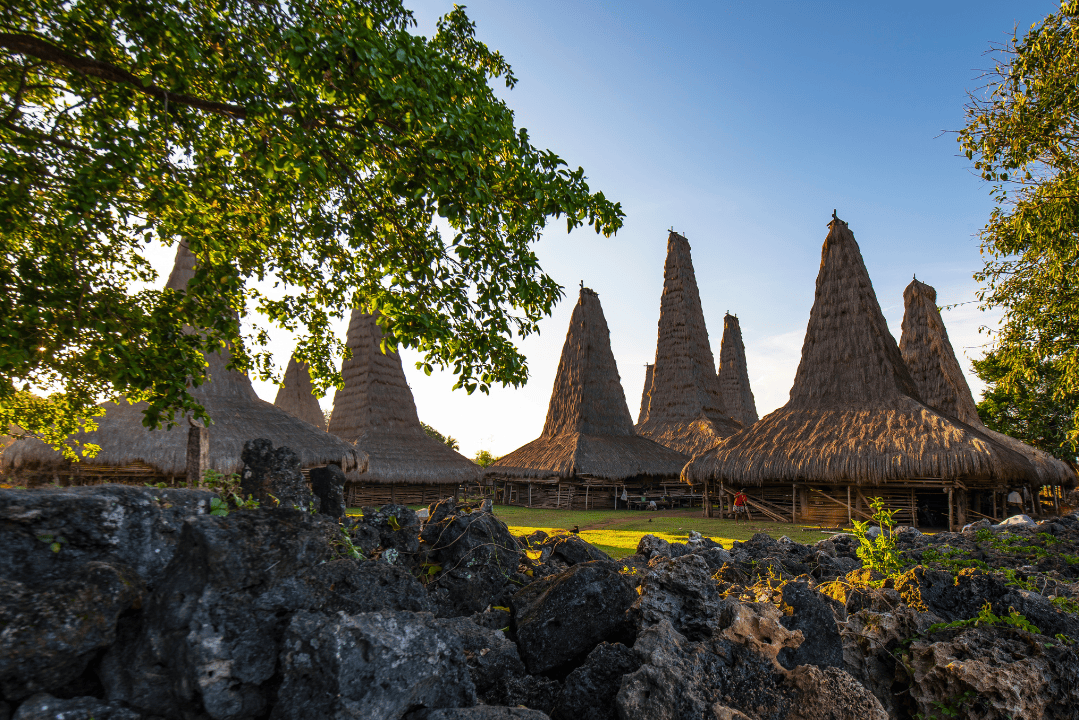
Ratenggaro is one of Sumba’s most recognisable traditional villages, known for tall thatched-roof houses, megalithic tombs and a dramatic coastal setting near the Waiha River. The village provides a strong introduction to traditional Sumbanese architecture and ancestral customs.
Ratenggaro remains a living community rather than a purpose-built tourist attraction. Travellers interested in understanding Sumba’s cultural traditions in greater depth can include it within Indonesia Impression Tour’s Discover Sumba Island Culture journey.
- Best for: Traditional architecture and Sumbanese culture
- Location:Umbu Ngedo, Kodi Bangedo, Southwest Sumba Regency, East Nusa Tenggara, Indonesia
- Local tip: Ask before photographing residents, homes or ceremonial areas and respect any guidance from the local community.
4. Prai Ijing Village – Best for Traditional Architecture
Prai Ijing is a traditional village near Waikabubak, with rows of high-roofed Sumbanese houses arranged across elevated terrain. Its hillside layout provides views across both the settlement and surrounding landscape.
The village’s proximity to Waikabubak makes it one of the more accessible cultural stops in West Sumba.
- Best for: Traditional architecture and cultural photography
- Location: Tebara, Kota Walkabubak, West Sumba Regency, East Nusa Tenggara, Indonesia
- Local tip: Walk through the village rather than viewing it only from the upper viewpoint to better understand its layout and architecture.
5. Kampung Tarung – Best for Marapu Culture and Local Traditions
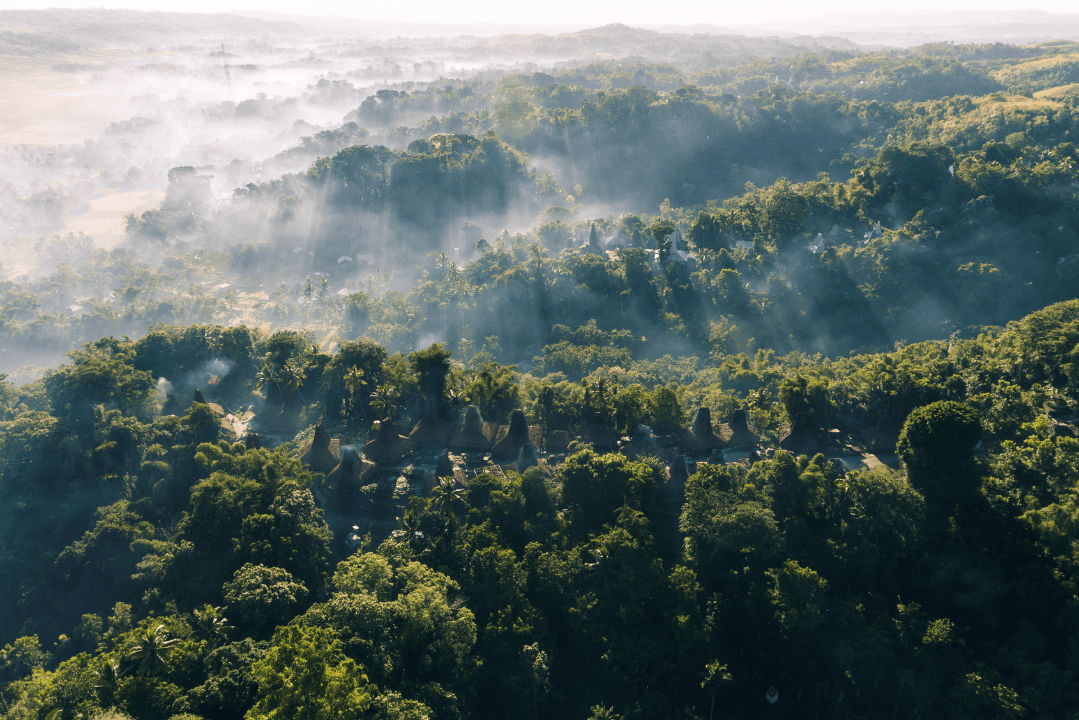
Kampung Tarung is a traditional settlement in Waikabubak where ancestral customs, traditional houses and Marapu practices remain connected with everyday community life. Traditional weaving and other local crafts are also associated with the village and surrounding communities.
Its location close to central Waikabubak makes Tarung a convenient cultural stop for travellers staying in West Sumba.
- Best for: Marapu culture, traditional houses and local crafts
- Location: Wailiang, Kota Walkabubak, West Sumba Regency, East Nusa Tenggara, Indonesia
- Local tip: Visit with a local guide if you want more context on Marapu traditions, house design and ceremonial spaces.
6. Lapopu Waterfall – Best for Waterfalls and Nature Walks
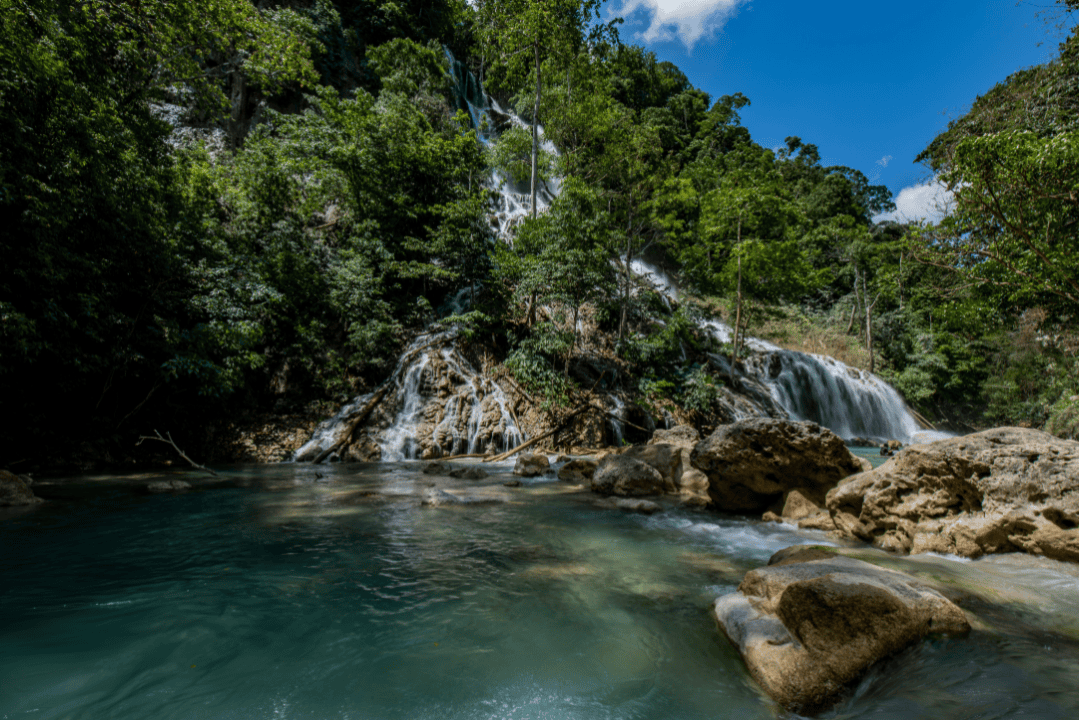
Lapopu Waterfall is one of Sumba’s established natural attractions, located around Manurara in Central Sumba. Water descends through a series of forested tiers before flowing into the river and pools below.
Its location in the central part of the island makes Lapopu particularly useful as a nature stop when travelling between western and eastern Sumba.
- Best for: Waterfalls and nature walks
- Location: Manurara, Katikutana Selatan, Central Sumba Regency, East Nusa Tenggara, Indonesia
- Local tip: Wear footwear with good grip, particularly after rain when sections of the trail may become slippery.
7. Bukit Wairinding – Best for Iconic Savannah Views
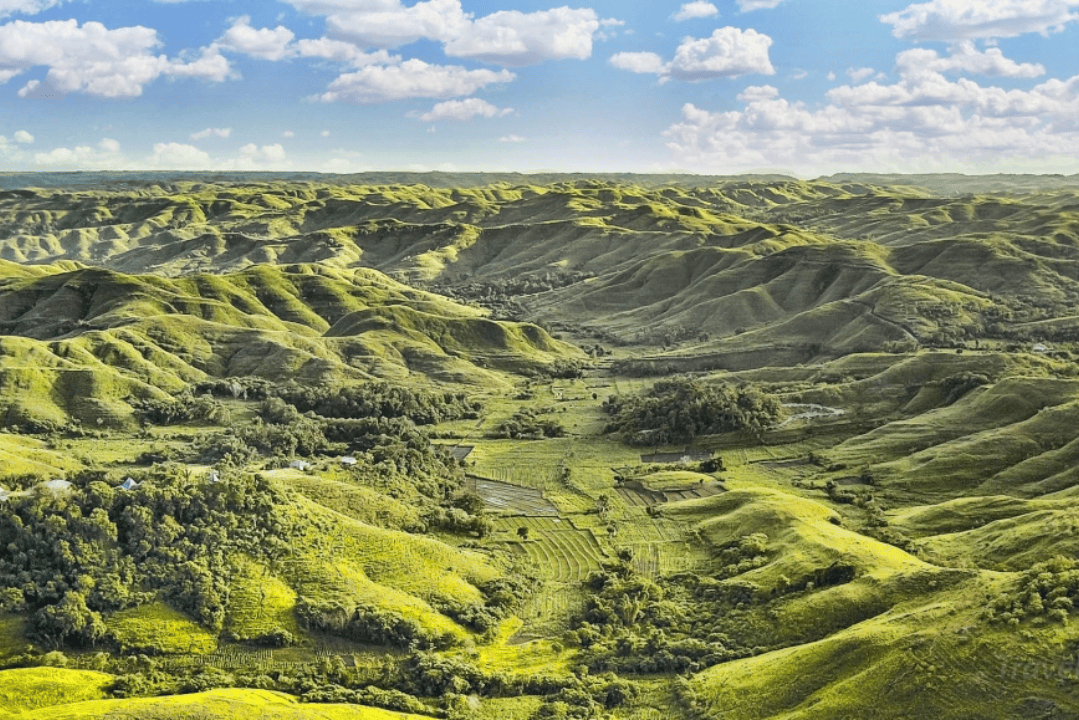
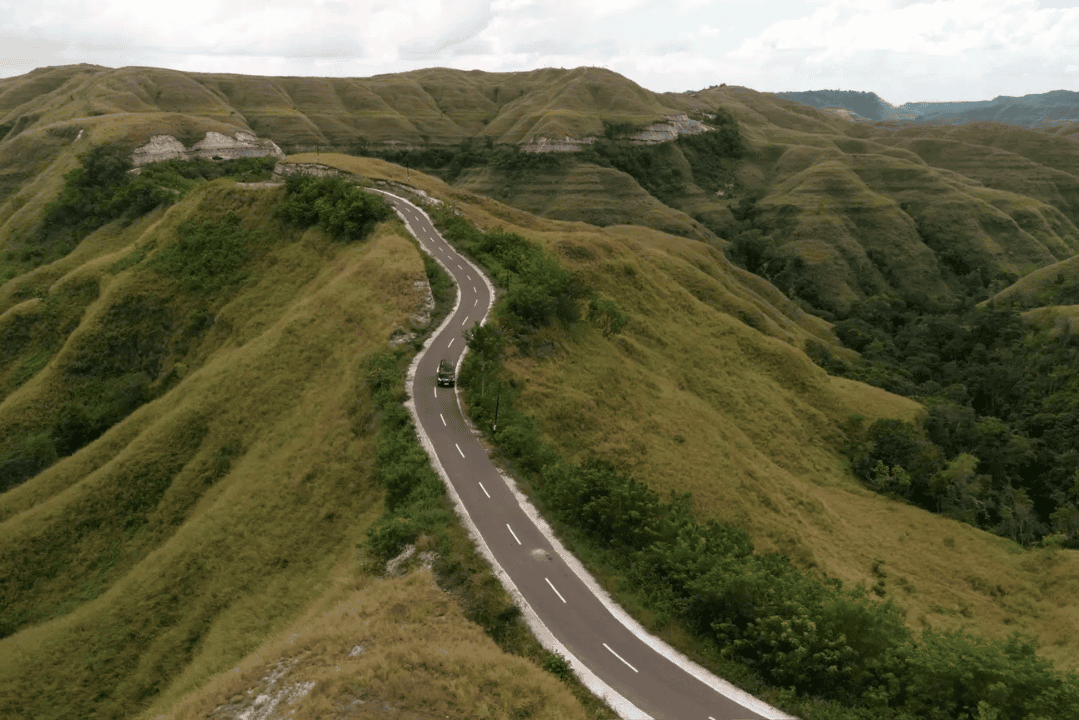
Bukit Wairinding is one of East Sumba’s signature landscapes, characterised by broad rolling hills that change noticeably with the seasons. Wetter periods bring greener vegetation, while the dry season produces the golden-brown savannah scenery commonly associated with photographs of Sumba.
The open terrain and changing light make Wairinding particularly suitable for landscape photography. Travellers who want to build their itinerary around the island’s most photogenic locations can also explore Indonesia Impression Tour’s Beauty of Sumba Photography Tour.
- Best for: Savannah views and landscape photography
- Location: Makamenggit, Nggaha Oriangu, East Sumba Regency, East Nusa Tenggara, Indonesia
- Local tip: Choose your travel period according to whether you prefer green hills or the drier golden savannah landscape.
8. Tanggedu Waterfall – Best for Rock Formations and Natural Pools
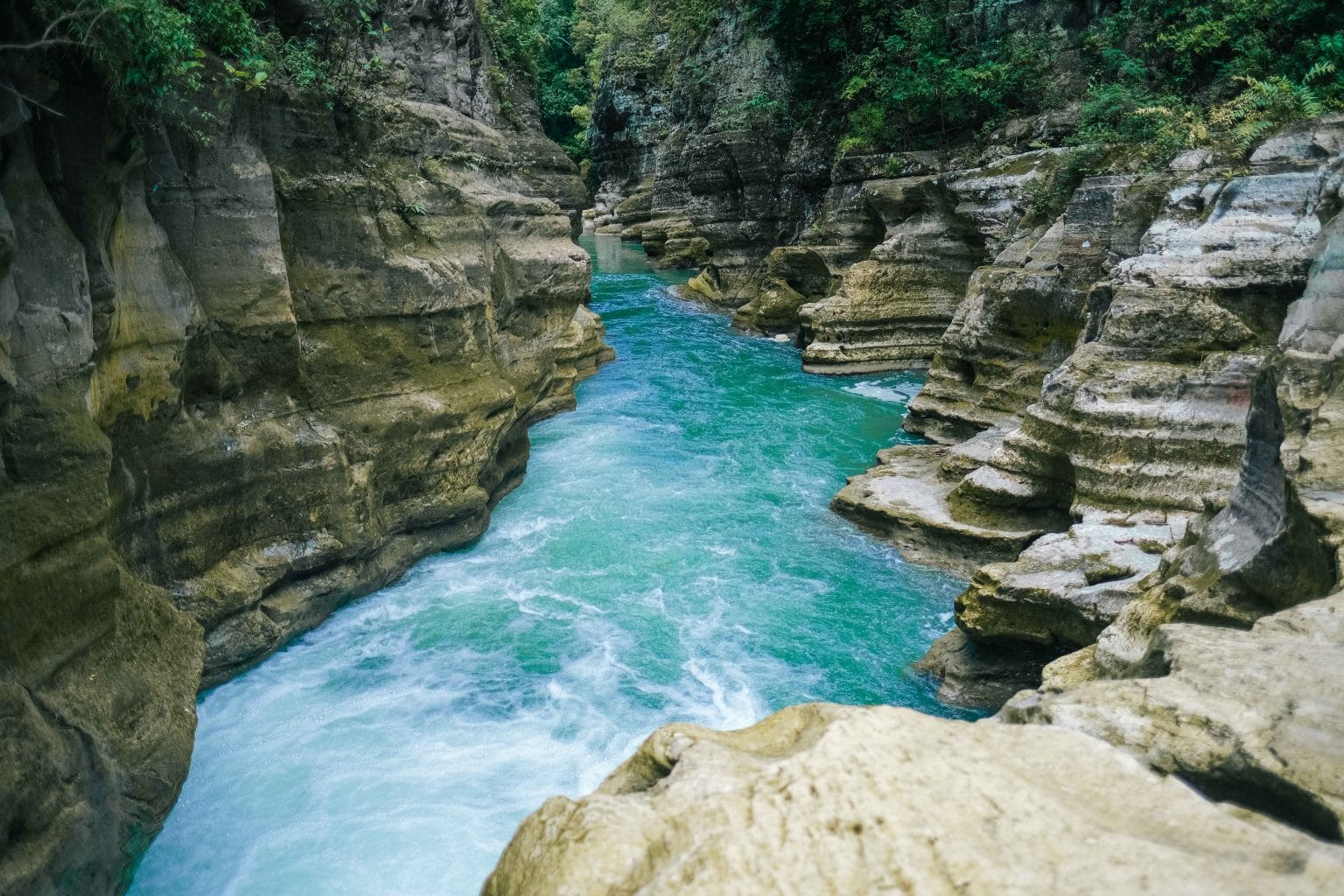
Tanggedu Waterfall is distinguished by water flowing through a rocky gorge containing channels, ledges and natural pools. Its pale rock formations give the area a noticeably different appearance from Sumba’s more forested waterfalls.
Reaching Tanggedu involves walking from the vehicle access area, so visitors should prepare for an outdoor excursion rather than a quick roadside stop.
- Best for: Rock formations, waterfalls and outdoor exploration
- Location: Ndapayami, Kanatang, East Sumba Regency, East Nusa Tenggara, Indonesia
- Local tip: Bring drinking water, sun protection and suitable walking shoes, and check local conditions before entering the natural pools.
9. Puru Kambera – Best for Savannah and Coastal Landscapes
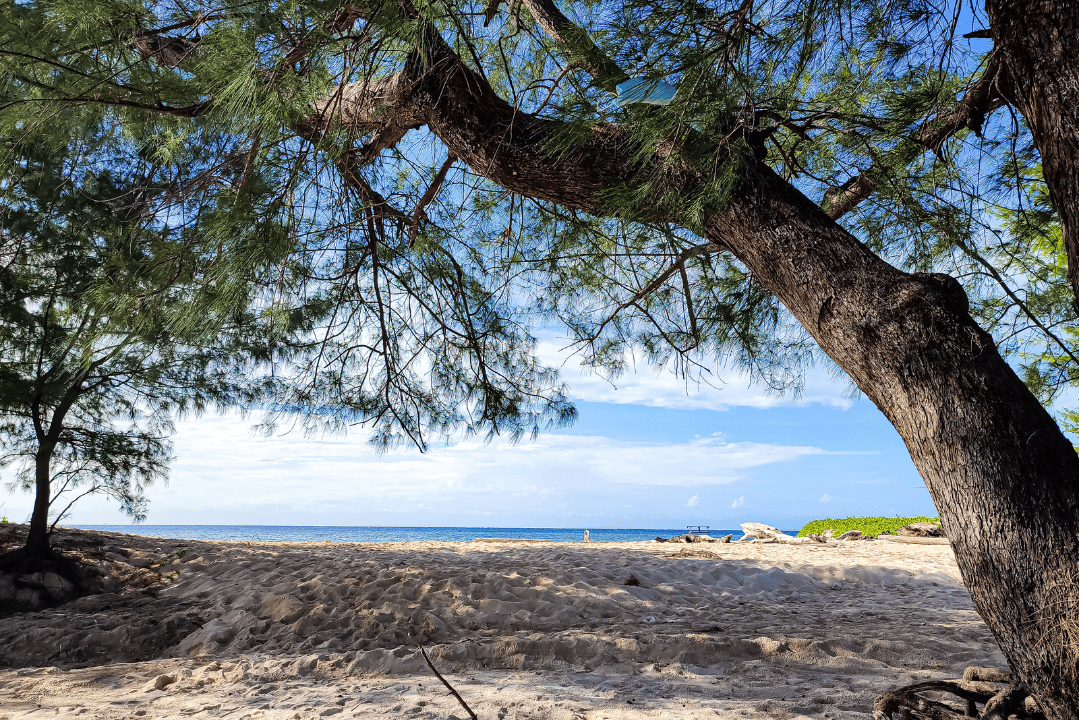
Puru Kambera combines East Sumba’s open savannah with a quiet coastal landscape. The wider area is also associated with Sumbanese horses, which may be seen across the grassland, particularly during the drier period.
Rather than treating Puru Kambera only as a beach destination, it works particularly well as part of a scenic drive through the landscapes north of Waingapu.
- Best for: Savannah scenery, coastline and wildlife photography
- Location: Hamba Praing, Kec. Kanatang, Kabupaten Sumba Timur, Nusa Tenggara Tim., Indonesia
- Local tip: Observe horses and other animals from a respectful distance rather than approaching them for photographs.
10. Walakiri Beach – Best for Sunset Photography
Walakiri Beach is one of East Sumba’s best-known sunset locations. At lower tide, small mangrove trees become exposed across the tidal flats, creating the distinctive silhouettes frequently associated with photographs of the beach.
The appearance of Walakiri changes significantly with the water level, so timing the visit around both sunset and tide can make a substantial difference.
- Best for: Sunset and coastal photography
- Location: Pandawai, Kabupaten Timur, Nusa Tenggara Tim., Watumbaka, Kec. Pandawai, Kabupaten Sumba Timur, Nusa Tenggara Tim., Indonesia
- Local tip: Check both sunset and tide times before visiting if photography is your priority.

11. Waimarang Waterfall – Best for Natural Pools and Trekking
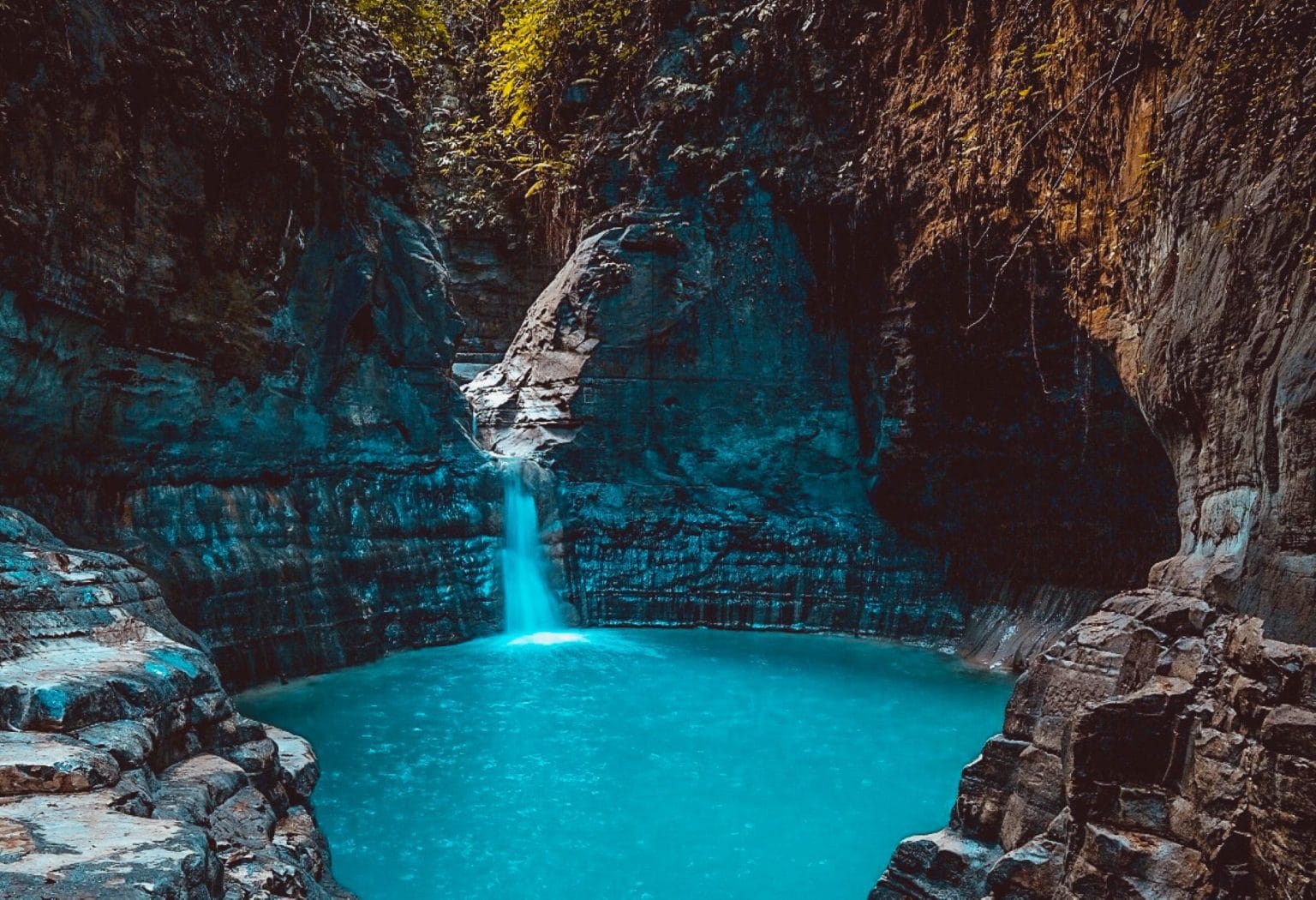
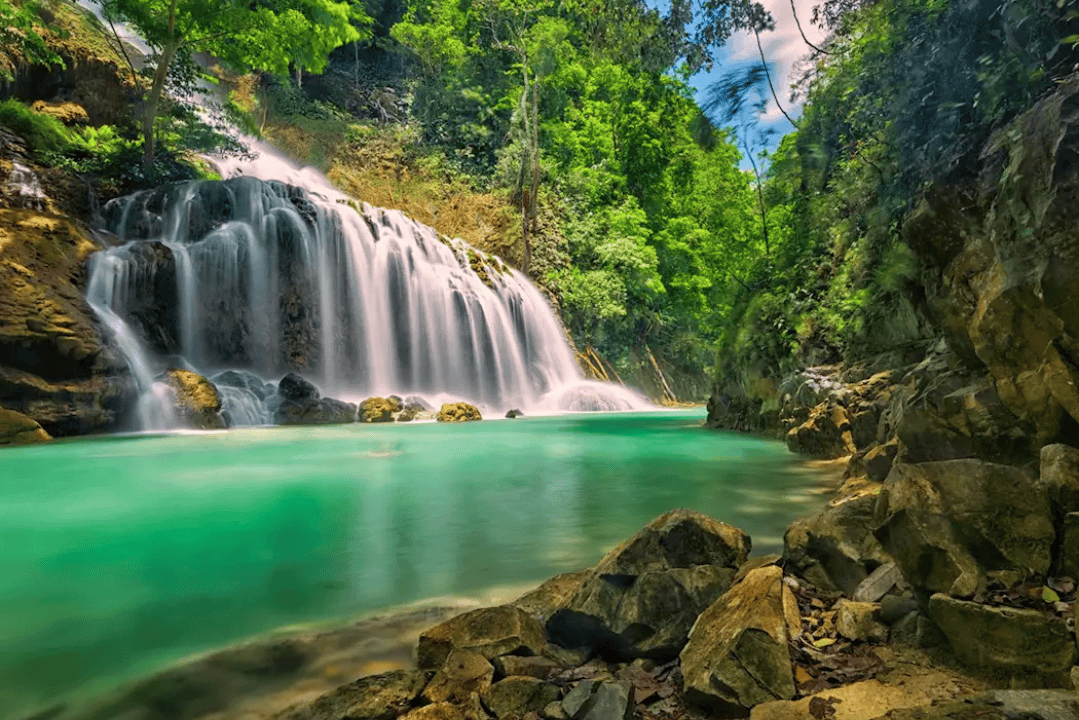
Waimarang Waterfall, also commonly listed as Wai Marang, is known for its blue-green natural pool enclosed by rock walls and vegetation. Reaching the waterfall requires a walk from the parking area, including sections that can become steep or slippery after rainfall.
The combination of trekking and swimming makes Waimarang better suited to travellers prepared for an active nature excursion.
- Best for: Natural pools, trekking and forest scenery
- Location: Ngaru Kanoru, Umalulu, East Sumba Regency, East Nusa Tenggara, Indonesia
- Local tip: Wear proper walking shoes and follow local advice before swimming, particularly after heavy rain.
12. Tanarara Matawai La Pawu – Best for Scenic Drives and Rolling Hills
Tanarara Matawai La Pawu is another characteristic East Sumba savannah landscape, with rolling hills, open valleys and roads crossing the island’s interior. Like Wairinding, its appearance changes seasonally from greener vegetation to drier golden and earthy tones.
Tanarara works best as part of an East Sumba road itinerary rather than as a long standalone visit.
- Best for: Scenic drives and landscape photography
- Location: Katikutana, Kec. Matawai La Pawu, Kabupaten Sumba Timur, Nusa Tenggara Tim., Indonesia
- Local tip: Combine Tanarara with other East Sumba landscapes and viewpoints to make better use of the journey.
How to Plan Your Sumba Travel Route
The most practical way to explore Sumba is to organise the trip geographically and travel from west to east, or east to west, rather than repeatedly crossing the island.
- Southwest Sumba: Combine Waikuri Lagoon, Mandorak Beach and Ratenggaro Village within the same part of your itinerary.
- West Sumba: Use Waikabubak as a convenient base for Prai Ijing, Kampung Tarung and surrounding cultural attractions.
- Central Sumba: Add Lapopu Waterfall when travelling between the western and eastern parts of the island.
- East Sumba: Base yourself around Waingapu for Wairinding, Tanggedu, Puru Kambera, Walakiri, Waimarang and other eastern landscapes.
- For a full-island itinerary: Arriving on one side of Sumba and departing from the other can reduce unnecessary backtracking, depending on available flights.
For more ideas beyond these 12 destinations, Indonesia Impression Tour’s guide to the best things to do in Sumba covers additional cultural, outdoor and seasonal experiences across the island.
How to Get to Sumba
The easiest way to get to Sumba is by domestic flight, with airports serving both the western and eastern sides of the island.
- For West and Southwest Sumba: Fly into Lede Kalumbang Airport (TMC) in the Tambolaka area. It is the more convenient gateway for Waikuri Lagoon, Mandorak Beach, Ratenggaro and the wider western side of Sumba.
- For East Sumba: Fly into Umbu Mehang Kunda Airport (WGP) near Waingapu for easier access to Wairinding, Tanggedu, Puru Kambera, Walakiri and other eastern attractions.
- For trips covering both sides: Arrive through one airport and depart from the other when flight schedules allow to create a more efficient cross-island route.
- Getting around Sumba: A private car with a local driver is generally the most practical option, as attractions are widely spread and several are reached via rural roads.
Best Time to Visit Sumba
April to November is generally a favourable period to visit Sumba, while May to October typically offers drier conditions for road trips, beaches and outdoor sightseeing.
- Best for drier weather: May to October generally provides more favourable conditions for driving between remote beaches, villages and outdoor attractions.
- Best for golden savannahs: Visit during the dry season for the brown and golden landscapes commonly associated with East Sumba.
- Best for greener hills: Visit during or soon after the wetter season if landscapes such as Wairinding are a priority.
- Best for waterfalls: Water levels can be higher during and after wetter periods, but trails may also become more slippery, so check local conditions.
- Best for photography: Consider both season and time of day. Savannah colours change throughout the year, while Walakiri Beach is strongly influenced by sunset and tide conditions.
Tips for Visiting Sumba
- Plan by region: Avoid repeatedly travelling between West and East Sumba, as driving distances can be substantial.
- Allow extra travel time: Rural road conditions can make journeys longer than they appear on a map.
- Use suitable transport: A private vehicle with a local driver provides more flexibility for villages, waterfalls, beaches and remote viewpoints.
- Respect local communities: Ask before photographing residents, entering homes or approaching ceremonial areas in traditional villages.
- Prepare for outdoor conditions: Bring sun protection, drinking water, comfortable walking shoes and a lightweight rain layer.
- Keep your itinerary flexible: Weather, road conditions, tides and local cultural activities can affect access and timing.
Plan Your Sumba Journey with Indonesia Impression Tour
A well-planned Sumba itinerary should connect attractions by region while allowing enough time for the island’s longer driving distances, local communities and natural landscapes.
Indonesia Impression Tour creates private journeys with accommodation, local transportation and guides arranged around individual travel interests.
Travellers with limited time can consider the Hidden Paradise Sumba itinerary, which combines several of the island’s cultural and natural highlights within a shorter journey.
FAQs About Places to Visit in Sumba
What Are the Best Places to Visit in Sumba?
Waikuri Lagoon, Mandorak Beach, Ratenggaro Village, Prai Ijing, Lapopu Waterfall, Bukit Wairinding, Tanggedu, Puru Kambera, Walakiri, Waimarang and Bukit Tanarara are among the best places to visit in Sumba for a mix of culture, beaches, waterfalls and savannah landscapes.
How Many Days Do You Need in Sumba?
Around 5–7 days is a practical starting point for visiting both western and eastern Sumba without rushing between regions. Travellers focusing on only one side of the island can plan a shorter stay.
Which Part of Sumba Is Best to Visit?
West and Southwest Sumba are particularly strong for traditional villages, lagoons and rugged coastlines, while East Sumba is known for savannah hills, waterfalls and beaches.
The best choice depends on whether your priority is culture, landscapes, photography or a combination of experiences.
Is West Sumba or East Sumba Better for a First Visit?
West Sumba is particularly suitable for travellers interested in traditional villages and culture, while East Sumba is stronger for iconic savannah landscapes and photography. If you have enough time, combining both sides provides a more complete introduction to the island.
Is Sumba Easy to Explore Independently?
Sumba can be explored independently, but transport requires careful planning because attractions are spread across a large island. A private vehicle with a local driver is generally the most practical option for covering multiple regions.
What Is the Best Time to Visit Sumba?
April to November is generally a favourable period for visiting Sumba, with May to October offering the drier conditions preferred for most road trips and outdoor sightseeing.
Travellers who prefer greener hills can instead consider the wetter period or the transition into the dry season.
What Are the Best Places to Visit in Sumba for a First Trip?
Waikuri Lagoon, Ratenggaro Village, Bukit Wairinding, Walakiri Beach and one of Sumba’s major waterfalls provide a balanced introduction to the island’s culture, coastlines and inland landscapes.