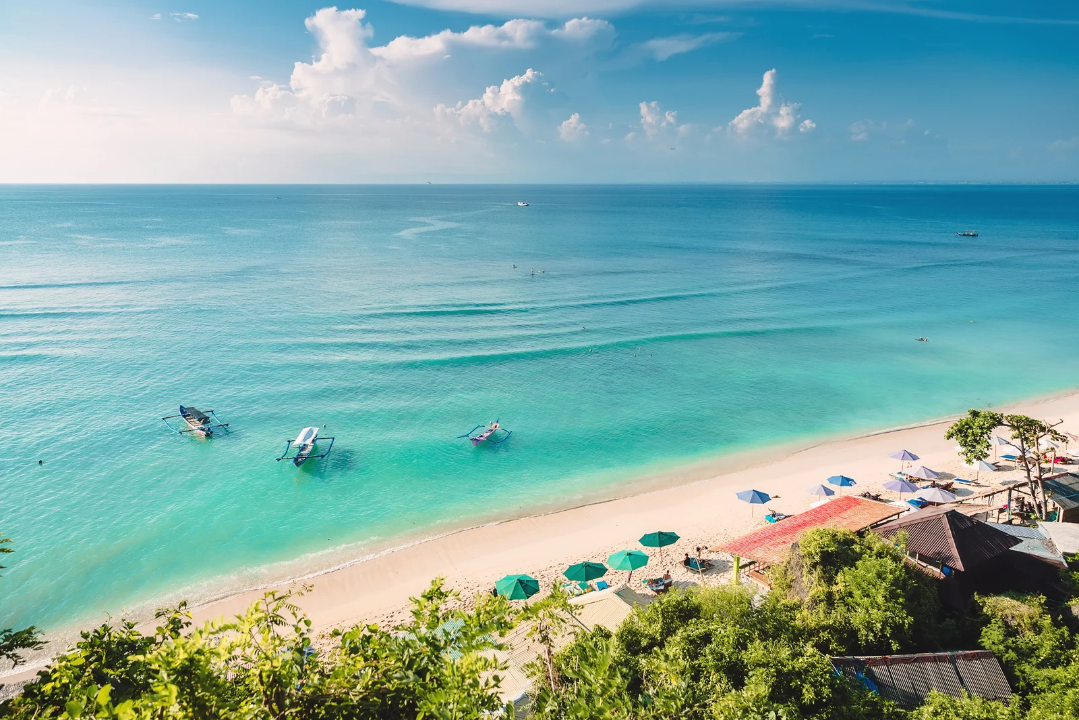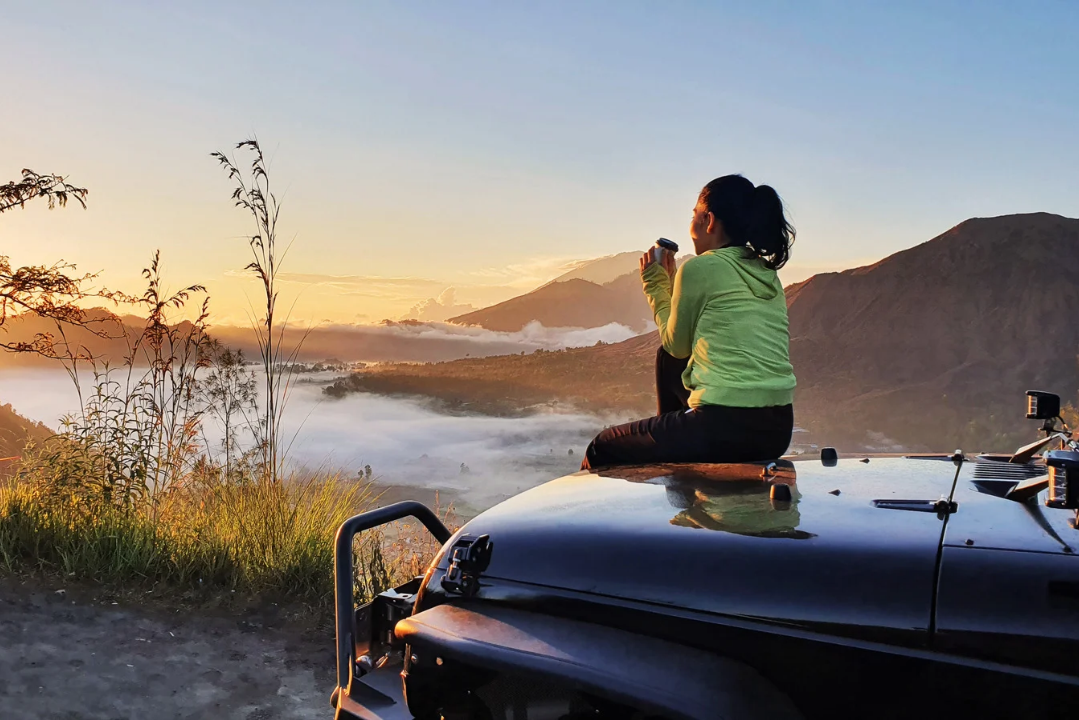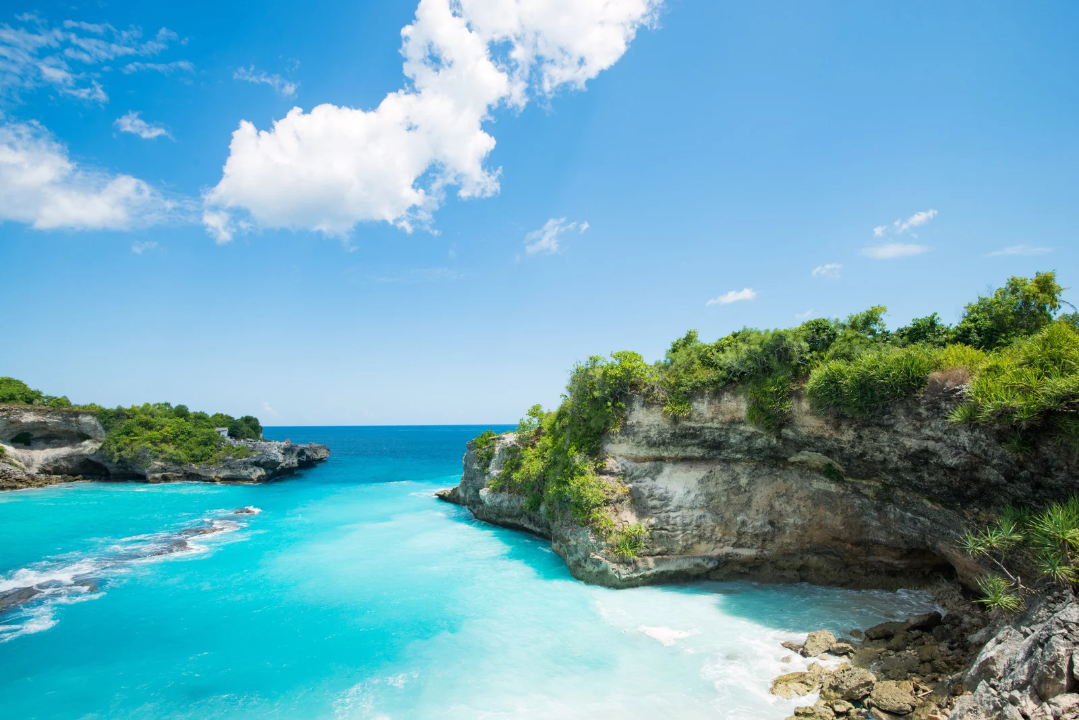
Sumba is one of Indonesia’s most distinctive islands, combining deeply rooted traditions with wide-open landscapes and a slower style of travel. Traditional villages, Marapu culture and handwoven ikat sit alongside savannah hills, waterfalls, lagoons and rugged beaches, giving the island a character that feels very different from Indonesia’s more familiar resort destinations.
The best things to do in Sumba reflect that variety, from swimming in Weekuri Lagoon and exploring ancestral villages to trekking to waterfalls, photographing the savannah and discovering the island’s horse culture. Exploring the island’s main destinations and scenic highlights alongside these experiences makes it easier to plan a route that balances culture, nature and time on the road.
Best Things to Do in Sumba at a Glance
| Experience Type | Top Experiences | Best Months | Best For |
| Culture & Local Life | Traditional villages, megalithic traditions, ikat weaving, Waikabubak Market | Apr–Nov; weaving & markets year-round | Culture, heritage and local experiences |
| Savannahs & Nature | Wairinding Hills, Sumba waterfalls, Puru Kambera horse culture | May–Oct | Landscapes, photography and outdoor adventure |
| Beaches & Coastal Scenery | Weekuri Lagoon, Walakiri, Mandorak, Mbawana | Apr–Nov | Swimming, sunsets and coastal photography |
| Surfing & Beach Adventure | Marosi Beach, Tarimbang Beach | May–Oct | Surfing and active coastal trips |
| Seasonal Cultural Events | Pasola | Feb–Mar | Traditional ceremonies and Sumba horse culture |
| Food Experiences | Local food and seafood in Waingapu | Year-round | Local cuisine and relaxed evenings |
1. Swim and Explore Weekuri
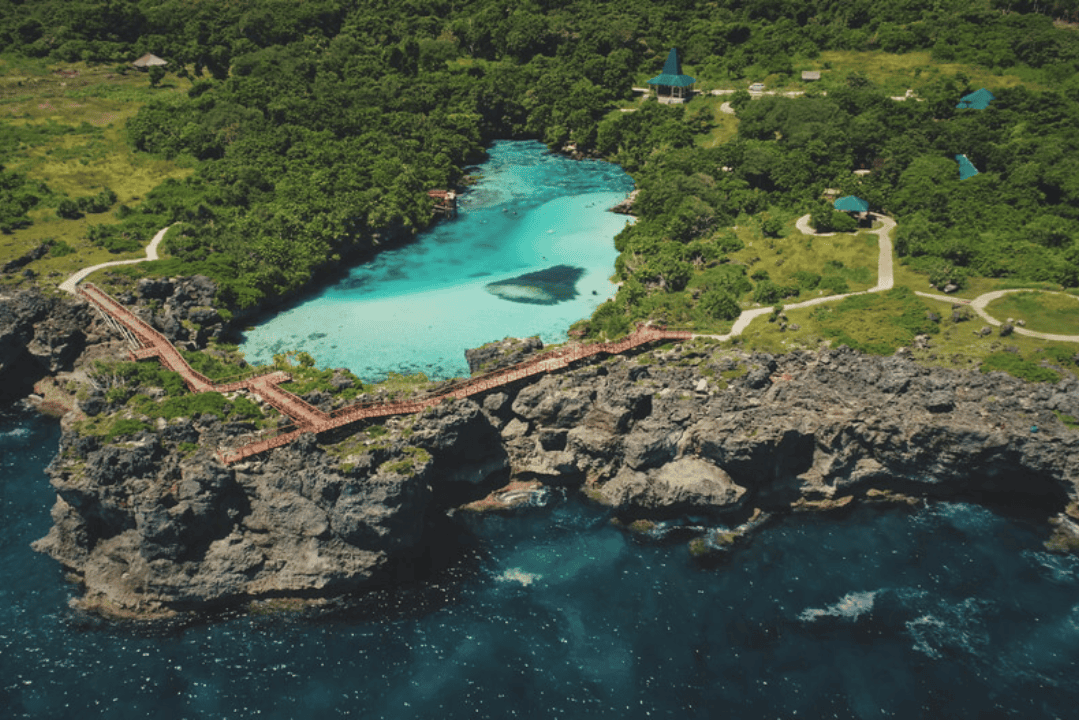
Weekuri Lagoon, also known as Waikuri Lagoon, is a natural saltwater lagoon on the coast of Southwest Sumba. Seawater enters through openings in the surrounding limestone, creating clear blue-green water in a sheltered setting that contrasts sharply with the exposed Indian Ocean coastline nearby.
Swimming is the main reason to visit, although the limestone edges and viewpoints around the lagoon are also worth exploring. Weekuri lies in the same wider Kodi area as Mandorak Beach, making the two easy to combine on the same day.
- Location: Kalena Rongo Village, North Kodi District, Southwest Sumba Regency, East Nusa Tenggara, Indonesia
- Best for: Swimming, couples, nature-focused trips and relaxed outdoor experiences.
- Best time to visit: April to November generally brings drier conditions for exploring Southwest Sumba. Visit from morning to early afternoon when the lagoon is well lit and there is enough time to swim before continuing to Mandorak Beach or other nearby stops.
- Experience Highlight: Clear blue-green saltwater surrounded by limestone formations and coastal vegetation.
2. Explore Sumba’s Traditional Villages
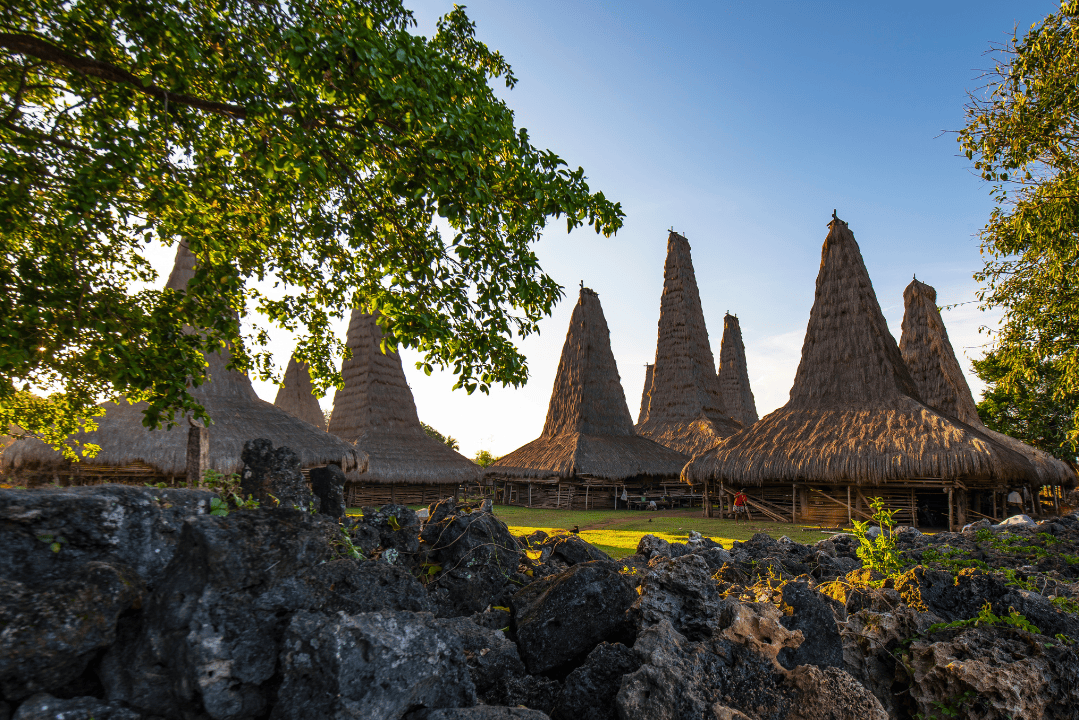
Traditional villages offer one of the clearest introductions to Sumba’s cultural identity. Communities such as Ratenggaro, Prai Ijing and Kampung Tarung preserve distinctive high-roofed houses, ancestral tombs and village spaces that remain closely connected with everyday life and Marapu traditions.
Ratenggaro is particularly recognisable for its tall thatched houses and coastal setting, while Prai Ijing provides an accessible cultural stop near Waikabubak. Kampung Tarung offers another perspective on traditional settlement patterns and Sumba’s ancestral belief system.
A deeper exploration of these communities can also be incorporated into the Discover Sumba Island Culture itinerary.
- Location: Ratenggaro Village, Umbu Ngedo, Kodi Bangedo, Southwest Sumba; Prai Ijing Village, Tebara, Waikabubak, West Sumba and Kampung Tarung, Wailiang, Waikabubak, West Sumba
- Best for: Cultural immersion, traditional architecture, history and photography.
- Best time to visit: April to November works particularly well when village visits form part of a wider West Sumba road trip. Morning is generally cooler for walking through the villages and gives more time to explore without rushing.
- Experience Highlight: Traditional uma mbatangu houses, ancestral stone tombs and living Sumbanese cultural traditions.
3. Walk Across Wairinding’s Savannah Hills
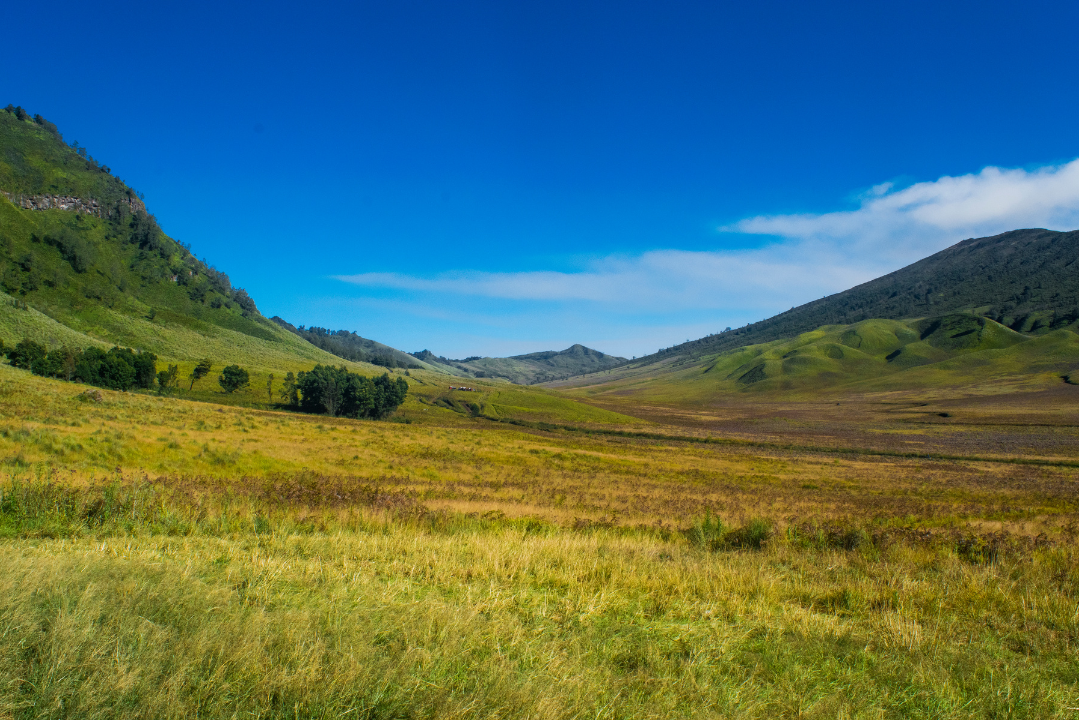
Wairinding is one of the landscapes most closely associated with East Sumba. Its broad rolling hills change dramatically through the seasons, shifting from green during wetter periods to the golden-brown savannah commonly seen in photographs of the island during the dry season.
Several viewpoints look across the surrounding hills, making Wairinding particularly rewarding for landscape photography. The scenery also fits naturally into the Beauty of Sumba Photography Tour, which connects East Sumba’s villages, coastline and open landscapes.
- Location: Makamenggit Village, Nggaha Ori Angu District, East Sumba Regency, East Nusa Tenggara, Indonesia
- Best for: Landscape photography, nature-focused trips and panoramic scenery.
- Best time to visit: Choose July to October for Wairinding’s characteristic golden savannah, while the wetter months create a much greener landscape. Early morning or late afternoon is particularly good for photography because the lower light reveals more texture across the hills.
- Experience Highlight: Layered rolling hills and extensive savannah views that change noticeably between the wet and dry seasons.
4. Watch Sunset at Walakiri Beach
Walakiri Beach is best known for the distinctive mangrove silhouettes that appear across its shallow tidal flats as the water recedes. Combined with an open horizon, the setting creates one of East Sumba’s most recognisable sunset scenes.
Timing depends on both sunset and the tide. The mangrove formations are much easier to appreciate when the shallow flats are exposed, so checking tidal conditions before travelling is worthwhile.
- Location: Watumbaka Village, Pandawai District, East Sumba Regency, East Nusa Tenggara, Indonesia
- Best for: Couples, sunset photography and relaxed coastal sightseeing.
- Best time to visit: April to November generally offers more favourable outdoor conditions, but tide timing matters as much as the season. Arrive in the late afternoon with enough time to explore the tidal flats before sunset.
- Experience Highlight: Small mangrove trees silhouetted across shallow tidal flats during sunset.

5. Experience the Pasola Tradition
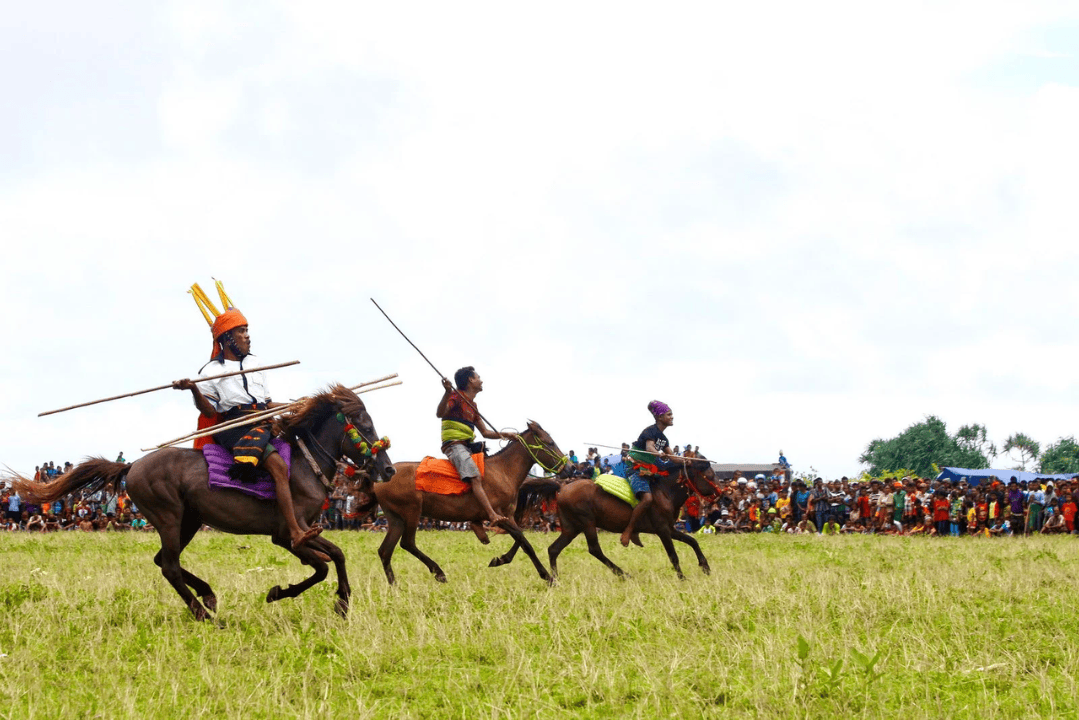
Pasola is one of Sumba’s most distinctive cultural traditions. During the event, mounted horsemen from opposing groups compete across an open field while throwing wooden spears.
The tradition is closely connected with Marapu ceremonies and local agricultural cycles, making Pasola far more than a performance staged for visitors. Events take place across several communities in West and Southwest Sumba rather than at one permanent venue.
- Location: Pasola is held in several areas including Wanokaka, Lamboya and Kodi.
- Best for: Cultural experiences, traditional events, horse culture and seasonal travel.
- Best time to visit: Pasola generally takes place during February and March, but the exact date and location vary between communities and from year to year. Confirm the current schedule before arranging a trip specifically around Pasola and arrive early on the event day to experience the atmosphere surrounding the ceremony.
- Experience Highlight: Sumbanese horsemen, Marapu rituals, traditional dress and one of the island’s most important seasonal traditions.
6. Discover Megalithic Tombs and Marapu Traditions
Large stone tombs are an important part of Sumba’s cultural landscape and can still be found within living communities rather than isolated archaeological sites. Their placement close to traditional houses reflects the relationship between family lineage, ancestors and Marapu beliefs.
Pasunga in Central Sumba is particularly known for its megalithic tombs and works naturally as a cultural stop when travelling between western and eastern Sumba.
- Location: Pasunga Village, Anakalang area, Katikutana District, Central Sumba Regency, East Nusa Tenggara, Indonesia
- Best for: Cultural history, ancestral traditions and deeper understanding of Sumbanese beliefs.
- Best time to visit: April to November is convenient when Pasunga forms part of a cross-island journey. Visit earlier in the day so there is enough time to explore the village and understand the cultural context before continuing towards the next destination.
- Experience Highlight: Monumental stone tombs integrated into living villages and continuing ancestral traditions.
7. See How Traditional Sumba Ikat Is Made
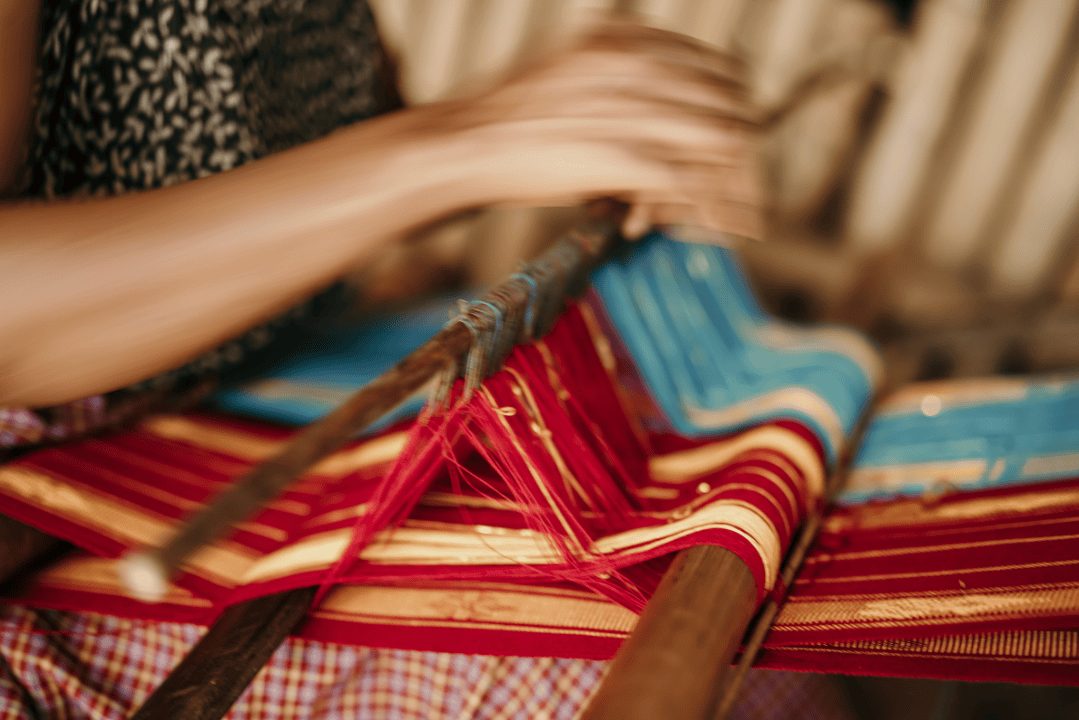
Sumba’s handwoven ikat is one of the island’s most recognisable traditional crafts. Designs often feature horses, birds, geometric forms and other motifs connected with local identity, mythology and the surrounding environment.
Rather than simply buying a finished textile, visiting a weaving community allows you to see how threads are prepared, dyed and woven while learning about the meaning behind individual patterns. Prailiu near Waingapu is one of the most convenient places to experience East Sumba’s weaving tradition.
- Location: Prailiu Village, Kambera District, East Sumba Regency, East Nusa Tenggara, Indonesia
- Best for: Textile enthusiasts, traditional crafts, cultural experiences and meaningful local souvenirs.
- Best time to visit: Ikat weaving can be experienced year-round. Morning is generally a good time to visit weaving communities while daily craft activity is underway and the visit can be combined with other cultural stops around Waingapu.
- Experience Highlight: Handwoven textiles, traditional motifs and the opportunity to observe Sumbanese weaving techniques directly.
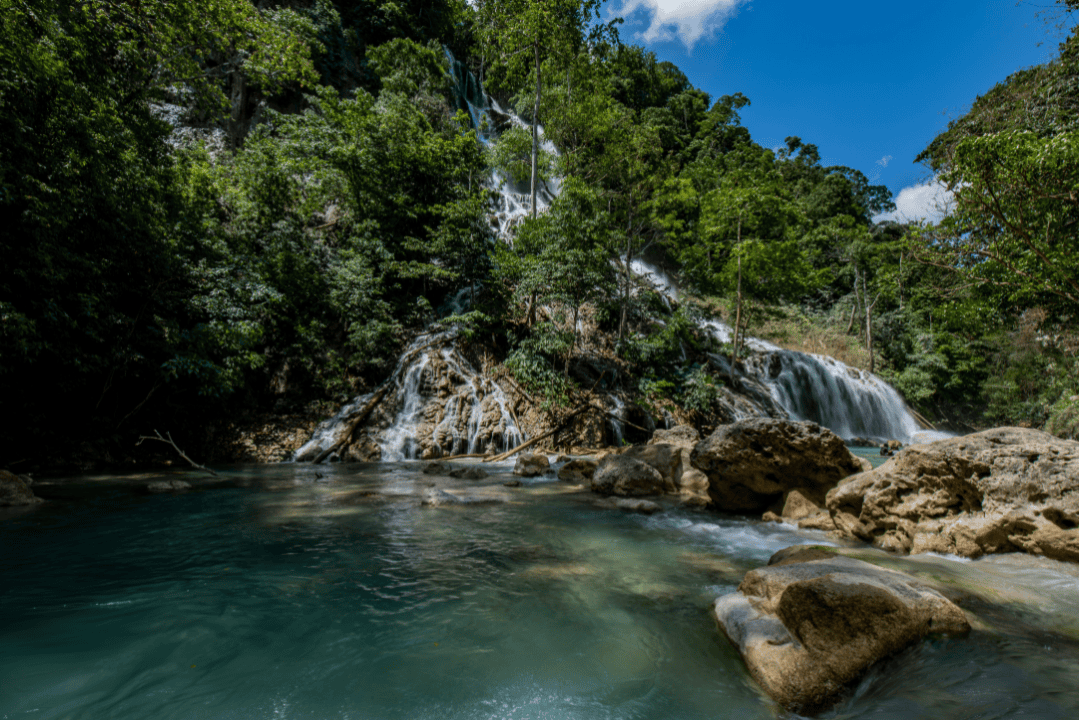
8. Trek to Sumba’s Waterfall
Sumba has several waterfalls that offer very different landscapes. Lapopu in Central Sumba descends through a broad series of cascades, while Tanggedu in East Sumba flows between pale rock formations and natural pools. Waimarang offers another contrasting setting, with water collecting in a blue-green pool enclosed by rocky walls.
Rather than attempting to visit every waterfall, choose according to your route. Lapopu fits naturally into a cross-island journey, while Tanggedu and Waimarang are more practical within an East Sumba itinerary.
- Location: Lapopu Waterfall, Central Sumba, Tanggedu Waterfall, Ndapayami, Kanatang, East Sumba and Waimarang Waterfall, Ngaru Kanoru, Umalulu, East Sumba
- Best for: Hiking, natural pools, outdoor adventure and waterfall photography.
- Best time to visit: May to October generally provides more manageable road and trail conditions. Waterfall flow may be stronger following rainfall, but paths can also become slippery. Start in the morning because several waterfall visits involve both a road transfer and a walk before reaching the water.
- Experience Highlight: Natural pools, rocky gorges and cascading waterfalls surrounded by contrasting forest and savannah landscapes.
Indonesia’s islands offer very different waterfall environments, from Sumba’s open terrain to the tropical settings found among the best waterfalls in Bali.
9. Experience Sumba’s Horse Culture
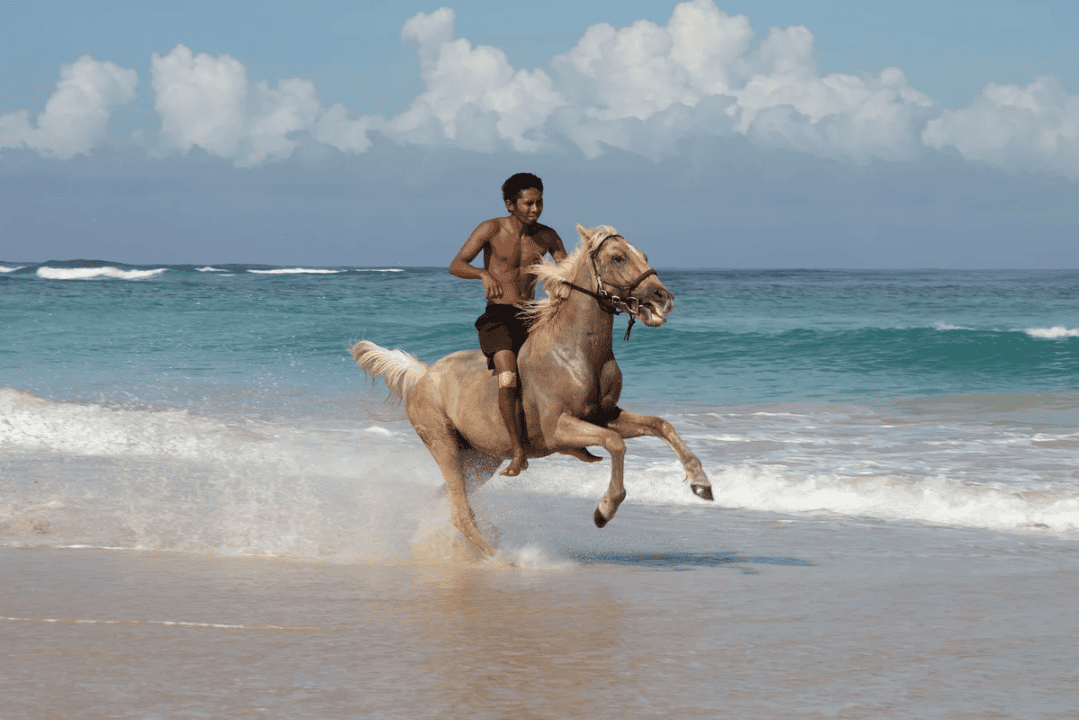
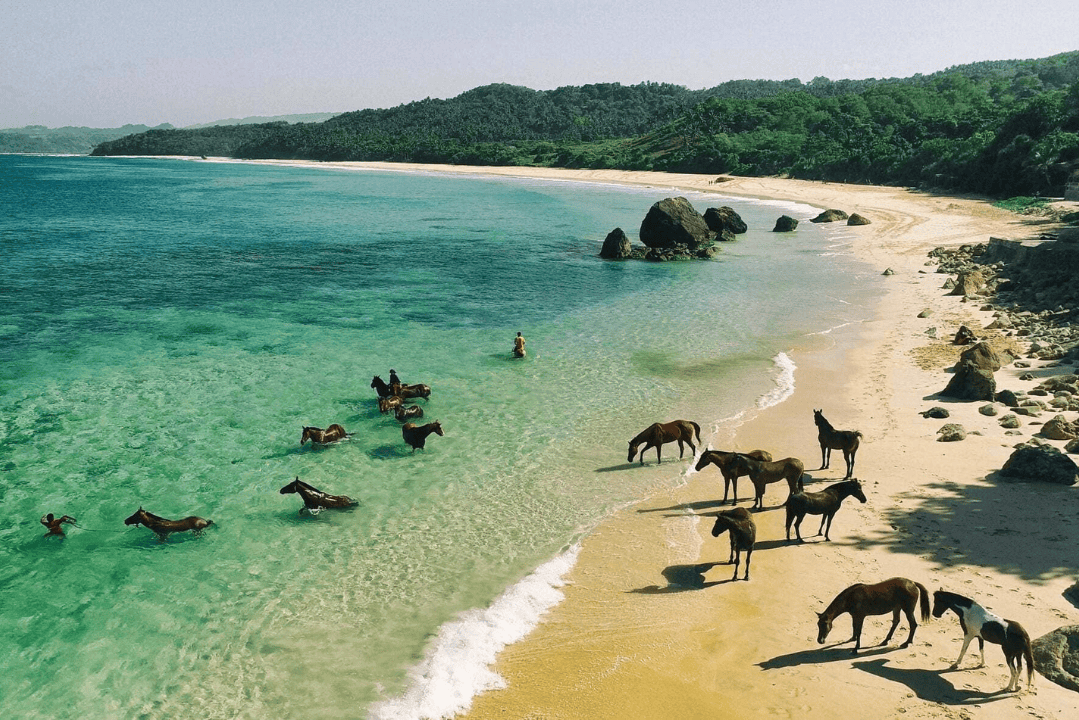
Horses have an important place in Sumbanese culture and are closely connected with local identity, transportation, ceremonies and Pasola. The native Sandalwood horse has become one of the island’s most recognisable cultural symbols.
Puru Kambera in East Sumba is particularly associated with horses moving through broad areas of savannah. Sightings should not be treated as guaranteed, but the landscape itself makes the area worthwhile for scenic exploration and photography.
- Location: Puru Kambera, Hamba Praing, Kanatang District, East Sumba Regency, East Nusa Tenggara, Indonesia
- Best for: Horse culture, landscape photography, nature and family trips.
- Best time to visit: May to October is particularly suitable for experiencing Puru Kambera’s dry-season savannah. Early morning or late afternoon provides cooler temperatures and more favourable light across the grasslands.
- Experience Highlight: Sumbanese horses set against East Sumba’s wide savannah landscapes.
10. Explore Mandorak Beach and Its Limestone Coast
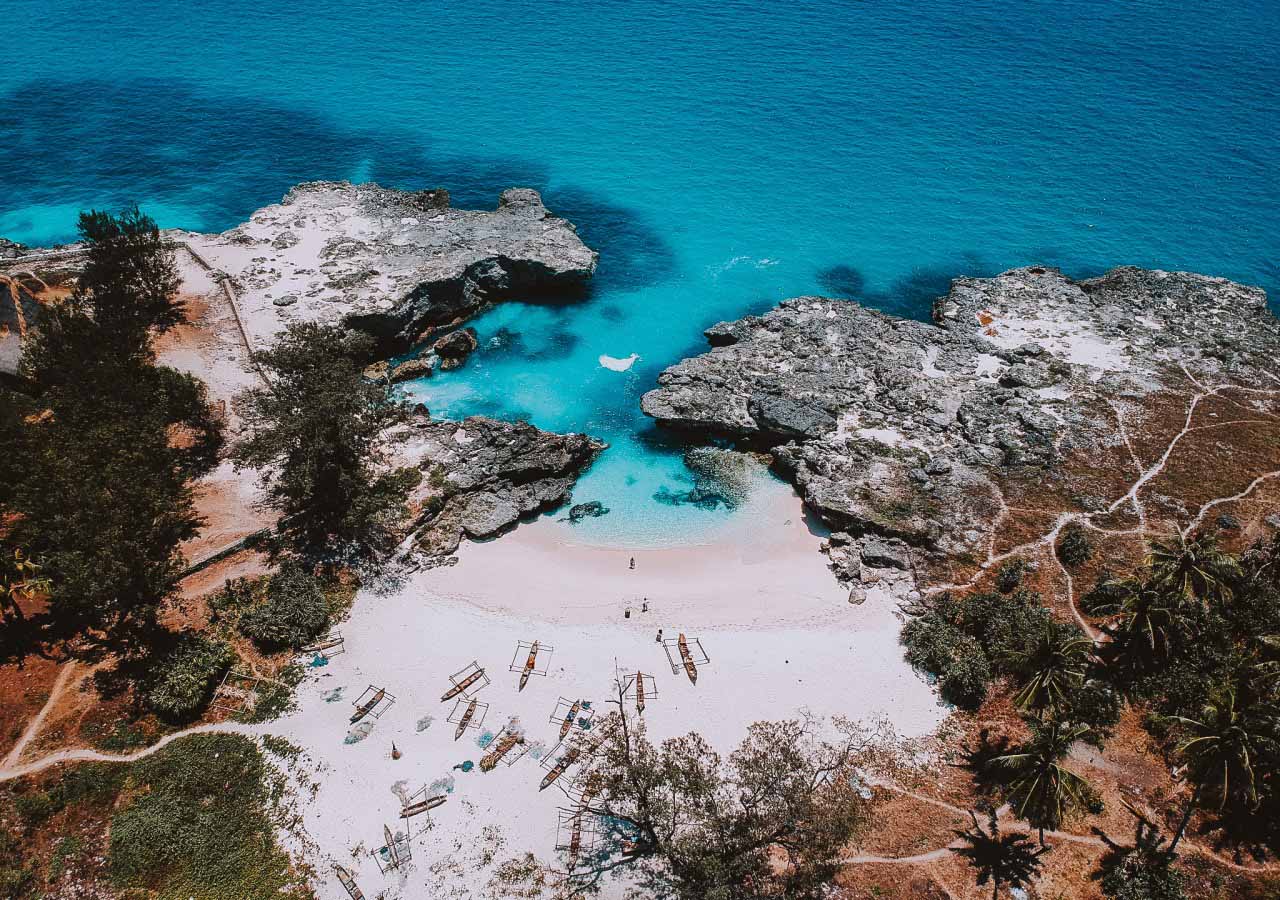
Mandorak Beach is a compact white-sand cove enclosed by limestone formations on the coast of Southwest Sumba. Its appeal lies less in conventional beach activities and more in the dramatic interaction between cliffs, rock formations and powerful ocean waves.
Because Mandorak lies close to Weekuri Lagoon, the two destinations are easy to combine. This route also appears within the Hidden Paradise Sumba itinerary.
- Location: Kalena Rongo Village, North Kodi District, Southwest Sumba Regency, East Nusa Tenggara, Indonesia
- Best for: Coastal scenery, couples, photography and scenic day trips.
- Best time to visit: April to November generally provides favourable conditions for exploring the Southwest Sumba coast. Morning is practical when combining Mandorak with Weekuri Lagoon, while late afternoon offers softer light across the limestone formations.
- Experience Highlight: A compact white-sand cove framed by limestone cliffs and dramatic Indian Ocean rock formations.
11. Surf at Marosi Beach
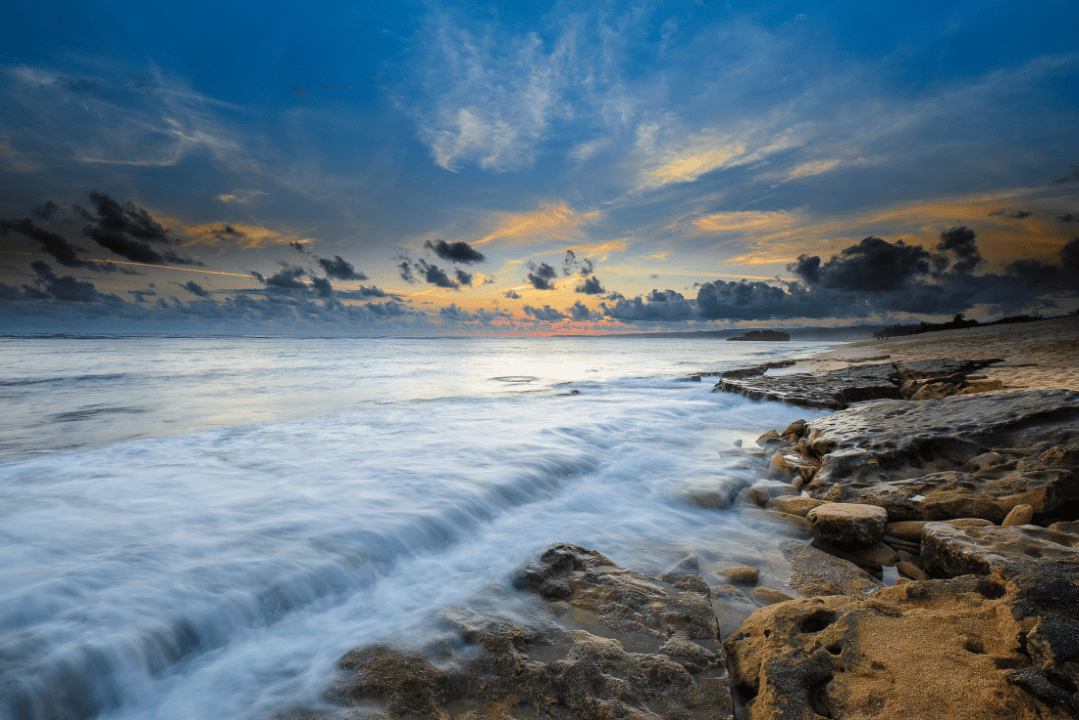
Marosi Beach is one of West Sumba’s established surf locations and forms part of the island’s long southern coastline facing the Indian Ocean. Reef formations offshore create surf breaks that become particularly attractive during the main swell season.
The long stretch of sand and relatively undeveloped surroundings also make Marosi worthwhile when surfing is not the main purpose of the visit.
- Location: Marosi Beach, Lamboya District, West Sumba Regency, East Nusa Tenggara, Indonesia
- Best for: Surfing, active beach days and quieter coastal landscapes.
- Best time to visit: May to October generally brings stronger dry-season surf conditions along Sumba’s southern coast. Morning sessions are often preferable before stronger daytime winds develop, although conditions should always be checked locally before entering the water.
- Experience Highlight: Indian Ocean swell, reef-generated surf breaks and a long, relatively undeveloped shoreline.
12. Explore Mbawana Beach and Its Coastal Cliffs
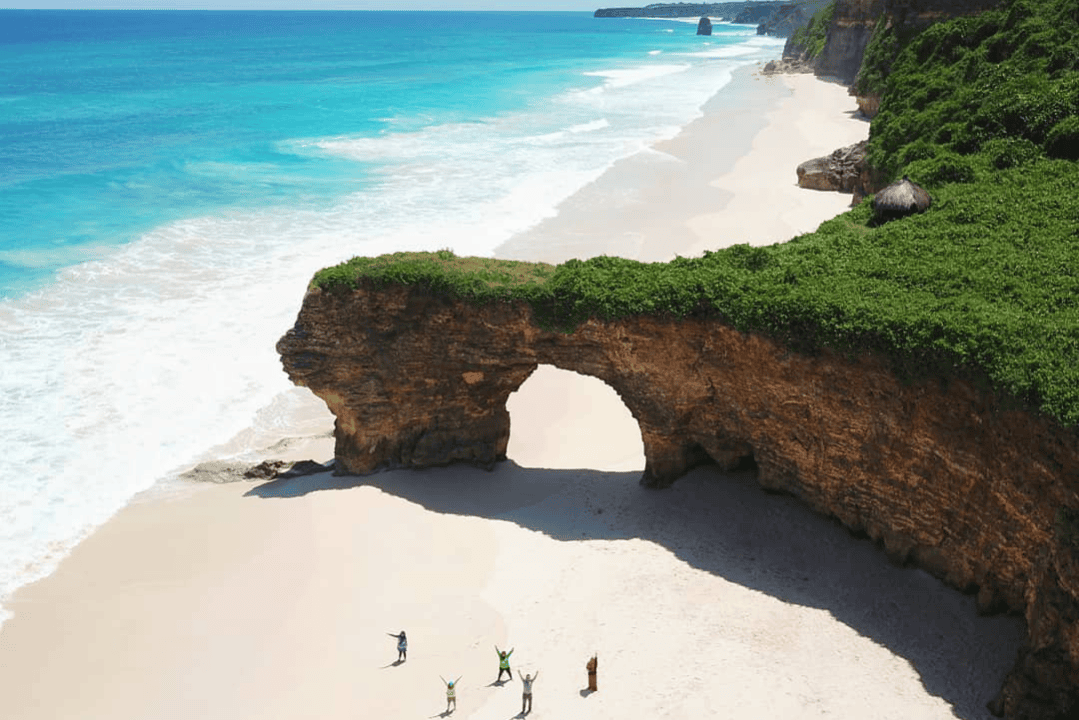
Mbawana Beach, also frequently written as Bawana Beach, is known for its broad white-sand shoreline and dramatic limestone coast in Southwest Sumba.
Its remote setting is part of the appeal, but it also requires more travel time than attractions closer to Tambolaka or Waikabubak. Mbawana works better as part of a dedicated Southwest Sumba day rather than a short additional stop between distant attractions.
- Location: Mbawana Beach, Southwest Sumba Regency, East Nusa Tenggara, Indonesia
- Best for: Coastal photography, scenic drives and quieter beach landscapes.
- Best time to visit: May to October is suitable for road trips along this more remote coastline. Late afternoon provides softer light across the cliffs, but allow enough time for the return journey before dark.
- Experience Highlight: White sand, dramatic coastal cliffs and expansive Indian Ocean scenery.
13. Spend a Day at Tarimbang Beach
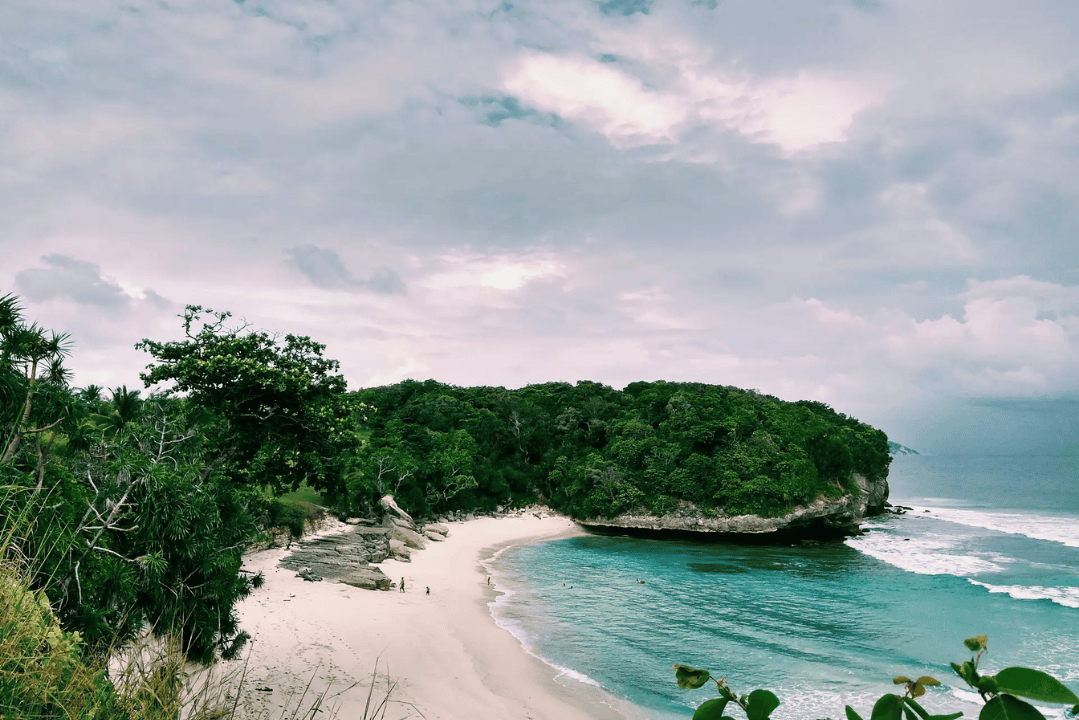
Tarimbang Beach lies along the southern coast of East Sumba and provides a quieter alternative to the island’s more accessible sightseeing stops. The broad bay is surrounded by hills and is also recognised as a surf destination during stronger dry-season swells.
Its location means the journey can take a significant part of the day, so Tarimbang is better treated as a dedicated excursion or overnight stop rather than being added to an already busy sightseeing schedule.
- Location: Tarimbang Village, Tabundung District, East Sumba Regency, East Nusa Tenggara, Indonesia
- Best for: Quiet beach escapes, surfing, coastal photography and longer East Sumba itineraries.
- Best time to visit: June to September is particularly suitable for travellers interested in the stronger surf period. If visiting as a day trip, leave early because the road journey is considerably longer than for attractions around Waingapu.
- Experience Highlight: A sweeping bay surrounded by hills, white sand and surf along a remote section of Sumba’s southern coast.
14. Visit Waikabubak Market
After visiting villages and scenic attractions, Waikabubak Market provides a different perspective on everyday life in West Sumba. Local produce, household goods, food, textiles and handicrafts are traded here by communities from the surrounding area.
Its central location also makes it easy to combine with Kampung Tarung, Prai Ijing and other cultural stops around Waikabubak.
- Location: Waikabubak, West Sumba Regency, East Nusa Tenggara, Indonesia
- Best for: Local life, shopping, crafts, food produce and cultural photography.
- Best time to visit: The market can be visited year-round, but mornings generally provide more trading activity and a better sense of everyday market life. Plan this stop before continuing to nearby villages rather than returning to town later in the day.
- Experience Highlight: Local produce, ikat textiles, traditional crafts and everyday commerce in West Sumba.
15. Taste Local Food and Seafood in Waingapu
Waingapu is a practical place to experience the everyday food culture of East Sumba after several days focused on villages and landscapes. Local eateries serve grilled fish, seafood and Indonesian dishes alongside regional ingredients and simpler everyday meals.
Rather than planning around one particular restaurant, leave some flexibility to explore what is available locally and ask your driver or guide for current recommendations.
- Location: Waingapu, East Sumba Regency, East Nusa Tenggara, Indonesia
- Best for: Food-focused trips, groups and relaxed evenings after sightseeing.
- Best time to visit: Local food can be enjoyed year-round. Late afternoon and evening are generally better for exploring local eateries and seafood options after completing daytime sightseeing around East Sumba.
- Experience Highlight: Fresh seafood, grilled dishes and an everyday introduction to East Sumba’s local food culture.
West Sumba vs East Sumba: Which Side Should You Explore?
West and East Sumba offer noticeably different experiences, so choosing where to spend more time depends on what you want from the trip.
| West & Southwest Sumba | East Sumba | |
| Best for | Traditional villages, Marapu culture, lagoons, beaches and surfing | Savannahs, waterfalls, horses, weaving and photography |
| Key experiences | Weekuri, Ratenggaro, Pasola, Mandorak, Marosi | Wairinding, Walakiri, Tanggedu, Puru Kambera, Prailiu |
| Main bases | Tambolaka and Waikabubak | Waingapu |
| Travel style | Cultural and coastal exploration | Scenic road trips and outdoor landscapes |
For a first trip of five days or more, combining western and eastern Sumba provides a much broader introduction to the island. With less time, concentrating on one side usually creates a better trip than spending several hours each day moving between distant attractions.
How Many Days Do You Need in Sumba?
For a first trip to Sumba, 5–7 days is the most practical length of stay. This gives enough time to combine the cultural highlights of West and Southwest Sumba with the savannahs, waterfalls and coastal scenery of East Sumba without spending most of the trip on the road.
- 3–4 days: Focus on one part of the island. West and Southwest Sumba work well for traditional villages, Weekuri Lagoon and coastal scenery, while East Sumba is better suited to Wairinding, Walakiri, waterfalls and ikat weaving. A shorter Hidden Paradise Sumba itinerary is a useful example of how several experiences can be grouped into a more focused route.
- 5–7 days: Best for most first-time visitors. You can travel across the island at a comfortable pace and combine villages, lagoons, waterfalls, savannahs and beaches.
- 7 days or more: Recommended for a slower Sumba itinerary with remote beaches, additional villages, photography stops or more time in each region.
When planning your stay, organise the itinerary by region rather than by the number of attractions. Travel between West, Central and East Sumba can take several hours, so grouping nearby experiences usually creates a more enjoyable and realistic trip.
Getting to and Around Sumba
Sumba has two main airports, so choosing the right gateway can make a multi-day itinerary much more efficient.
| Area | Airport | Best For |
| West & Southwest Sumba | Lede Kalumbang Airport (TMC) near Tambolaka | Weekuri Lagoon, Ratenggaro, Mandorak Beach and Waikabubak |
| East Sumba | Umbu Mehang Kunda Airport (WGP) near Waingapu | Wairinding, Walakiri, Prailiu, Puru Kambera and East Sumba waterfalls |
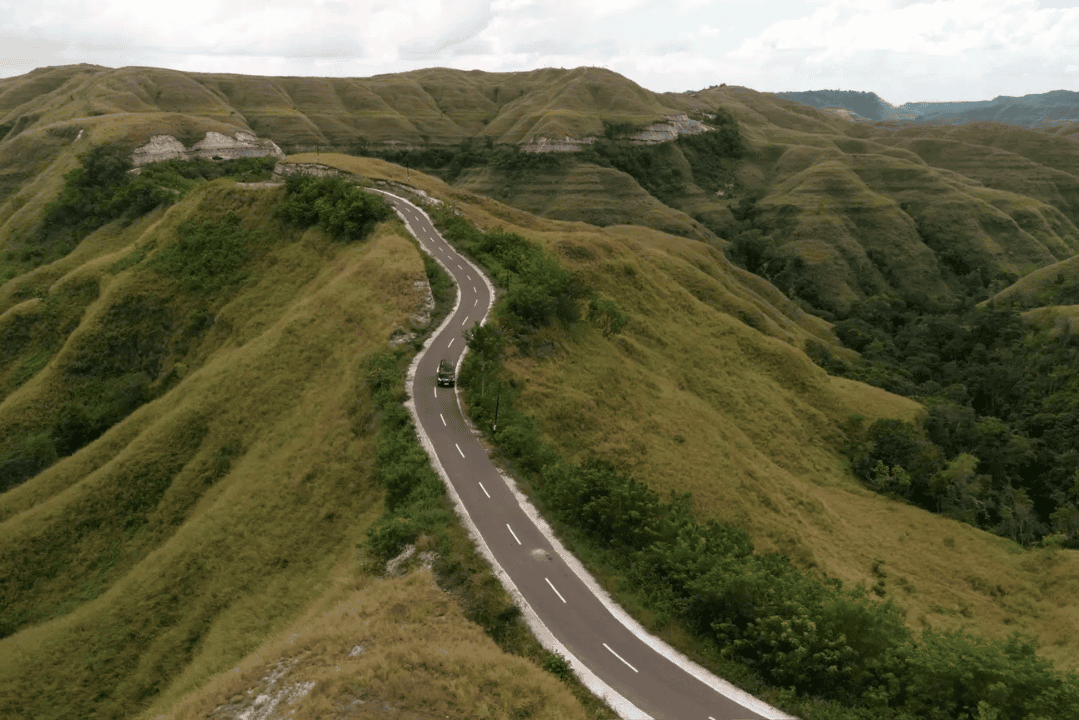
A private car with a local driver is the most practical way to get around Sumba, especially if your itinerary covers several regions. Attractions are spread across the island, and travel times can be longer than expected because of road conditions and rural access.
For a more convenient journey, Sumba Island tours with Indonesia Impression Tour can include local transportation, airport transfers and experienced guides, with itineraries arranged around the regions and experiences you want to explore.
Practical Tips for Planning a Sumba Trip
- Plan by region: Group nearby villages, beaches and nature stops to avoid spending too much time on the road.
- Respect local culture: Ask permission before taking photos and follow local guidance when visiting traditional villages or ceremonies.
- Use a local guide for cultural experiences: This is especially useful for understanding Marapu traditions, megalithic tombs and ikat weaving.
- Check seasonal conditions: Pasola dates, surf, waterfalls and savannah colours change throughout the year.
- Carry some cash: Local markets, village contributions and small food stalls may not accept cards.
- Allow a flexible schedule: Leave enough time for village visits, photography and unexpected local experiences.
- Prepare for outdoor travel: Bring drinking water, sun protection and comfortable footwear.
Plan Your Sumba Journey with Indonesia Impression Tour
Planning a Sumba trip is easier when your itinerary is organised around the right regions, realistic travel times and the experiences you want to prioritise. With attractions spread across West, Central and East Sumba, a well-planned route helps reduce unnecessary driving and leaves more time for traditional villages, waterfalls, beaches, savannah landscapes and cultural experiences.
Indonesia Impression Tour offers private Sumba tours and customised itineraries based on your travel dates, length of stay and preferred activities, with accommodation, local transport and experienced guides arranged along the route. For a ready-made itinerary combining some of the island’s key cultural and natural highlights, explore the Hidden Paradise Sumba tour or contact our team to create a Sumba journey tailored to your travel plan
FAQs About Things to Do in Sumba
What Are the Best Things to Do in Sumba?
The best things to do in Sumba include Weekuri Lagoon, traditional villages, Wairinding Hills, Walakiri Beach, waterfalls, ikat weaving, horse experiences and Pasola.
What Should You Not Miss in Sumba?
For a first visit, prioritise Weekuri Lagoon, a traditional village, Wairinding Hills, Walakiri Beach and at least one waterfall.
Is West Sumba or East Sumba Better?
West Sumba is better for culture and coastal experiences, while East Sumba is stronger for savannahs, waterfalls, horses and landscape photography.
How Many Days Are Enough for Sumba?
Five to seven days is ideal for a first Sumba trip covering both western and eastern parts of the island.
When Is the Best Time to Visit Sumba?
April to November is generally the best period for road trips, beaches, village visits and outdoor activities in Sumba.
When Is Pasola Held in Sumba?
Pasola usually takes place between February and March, although exact dates and locations vary each year.
Can You Explore Sumba Without a Tour?
Yes, but a private car with a local driver is usually the most practical option because Sumba’s attractions are widely spread.
Is Sumba Worth Visiting if You Do Not Surf?
Yes, Sumba offers traditional villages, Marapu culture, waterfalls, savannahs, ikat weaving, horses and beaches beyond its surf experiences.