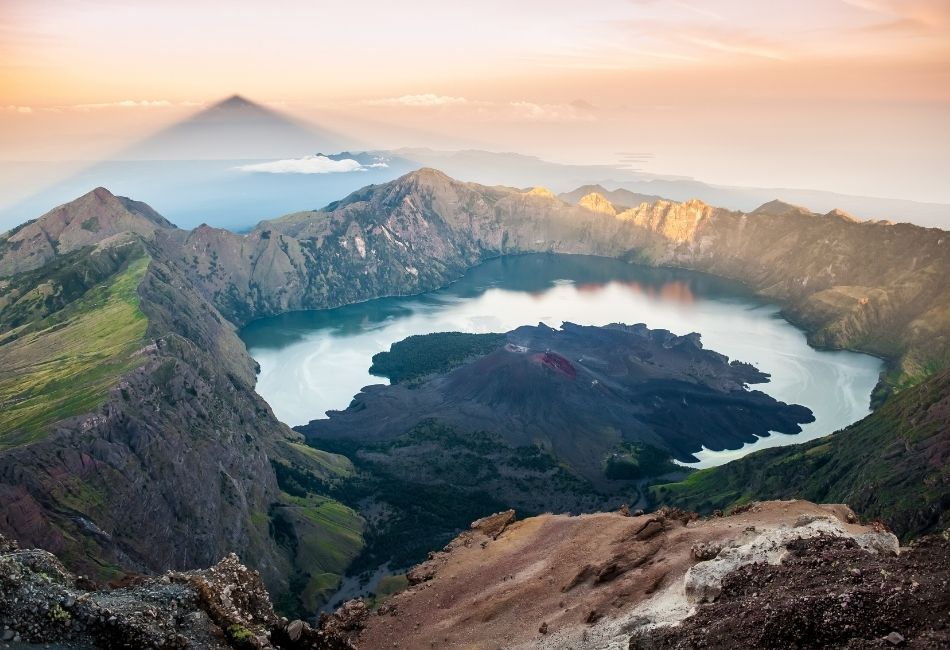
Mount Rinjani trekking is one of the most challenging things to do in Indonesia, taking hikers onto an active Lombok volcano with a 3,726-meter summit, volcanic ridgelines, savanna trails, rainforest descents, Segara Anak Lake, and natural hot springs. This is not a casual day hike, because long climbs, cold nights, loose scree, and steep descents demand preparation. This guide covers route options, permits, trail access, safety tips, packing advice, and planning support.
Mount Rinjani Trekking Overview
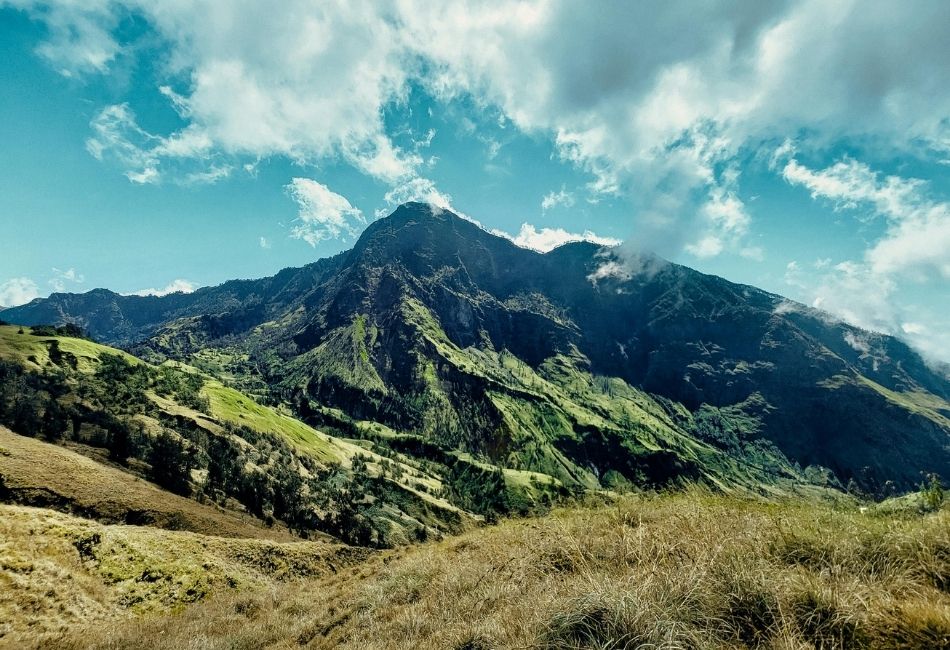
Mount Rinjani is located near Sembalun Lawang, Sembalun, East Lombok Regency, West Nusa Tenggara, Indonesia, and stands among the top tourist destinations in Indonesia for serious outdoor travellers. Classic routes may include Sembalun Crater Rim, the 3,726-meter summit, Segara Anak Lake, hot springs, Senaru Crater Rim, and a descent through Senaru or Torean.
The trek is strenuous rather than technical, with the summit push over loose volcanic scree requiring stamina, balance, and mental readiness. Trekkers should prepare with cardio training, trekking shoes, warm layers, rain protection, a headlamp, and trekking poles.
Permits, Guides, And Official Trekking Requirements
Trekkers need an official entrance ticket for Gunung Rinjani National Park, and online booking is managed through the eRinjani system, which handles ticket booking, payment proof, route duration, and visitor registration. The park’s trekking SOP defines quotas per official entry point, so busy-season hikers should secure dates early.
Guides and porters must hold permit cards issued by the National Park Office, and foreign visitors are required to use licensed Trekking Organizers. A health certificate must be issued no more than 3 days before the trek. Never enter during closures or unofficial routes, because closures support safety, erosion control, weather response, and ecosystem recovery.
When Is The Best Time To Trek Mount Rinjani?
The best time to trek Mount Rinjani is usually April to October, when drier trails, clearer summit views, safer camping conditions, and better access to official routes make the climb more manageable. These months are still physically demanding, but visibility and trail stability are generally stronger than in the wet season.
November to March is generally not recommended because of heavier rain, slippery trails, poor visibility, and higher safety risks that can disrupt the climb. Official routes are routinely closed from January 1 to March 31 for ecosystem recovery, with additional incidental closures possible during unsafe conditions.
How To Get To Mount Rinjani Trailheads
From Lombok Airport, travellers usually transfer by private car to Sembalun, Senaru, or Torean, depending on the chosen Mount Rinjani trek route. The drive can take several hours, so arriving one day before trekking is strongly recommended.
From Senggigi or Mataram, access to northern and eastern Lombok trailheads is more practical, making these areas common pre-trek bases. From Kuta Lombok, the journey is longer, so travellers should plan extra transfer time and avoid same-day trekking.
From Bali or the Gili Islands, travellers normally reach Lombok by flight or fast boat before continuing by road. After arrival, a licensed operator usually coordinates hotel pickup, trailhead transfer, permits, guide assignment, and pre-trek briefing.
Suggested Mount Rinjani Trekking Itinerary
Mount Rinjani 3 Days 2 Nights Trek
- Route: Starts at Sembalun Village, climbs to Sembalun Crater Rim, continues to the summit, descends to Segara Anak Lake, then finishes through Senaru or Torean.
- Distance: Approximately 27.5 to 34 kilometers, with more than 2,750 meters of elevation gain to the 3,726-meter summit.
- Suitable For: Intermediate hikers and experienced trekkers with strong stamina.
- Highlights: Summit sunrise, Sembalun savanna, Segara Anak Lake, hot springs, Barujari cone, and crater-rim camping.
- Challenge Level: The hardest section is day two, combining a 2:00 AM summit push, loose scree, lake descent, and another climb.
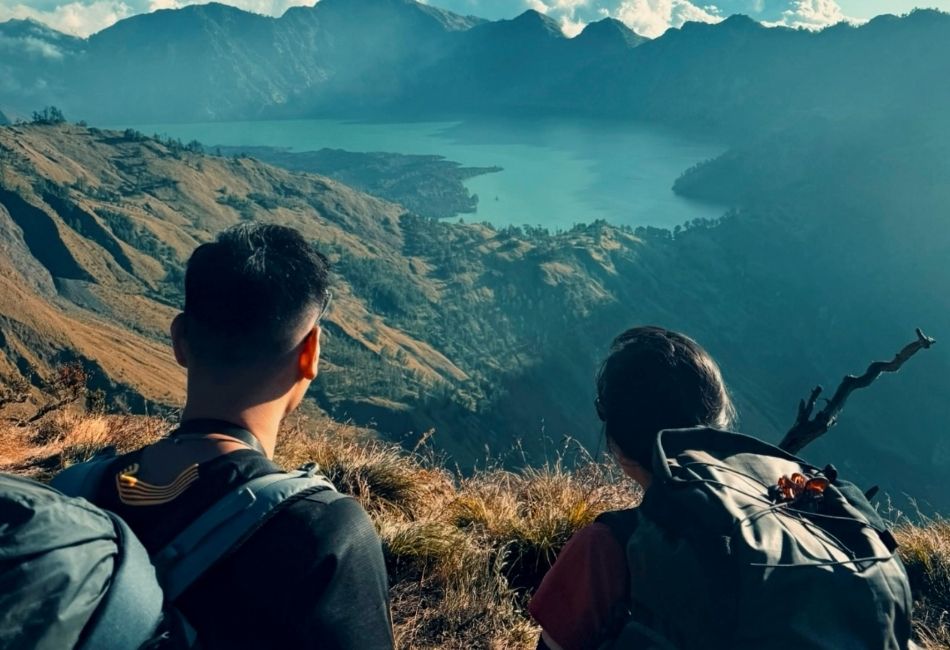
The Rinjani 3 days 2 nights trek is the classic full route because it includes the summit, crater lake, hot springs, and cross-mountain descent without compressing everything into two days. It suits fit travellers who want the complete Rinjani ecosystem. The main local warning is day-two fatigue, because sunrise at the summit is followed by steep descents and another climb before camp.
Mount Rinjani 2 Days 1 Night Trek
- Route: Starts at Sembalun Village, climbs to Sembalun Crater Rim, pushes to the summit before dawn, then returns by the same trail.
- Distance: Around 19 to 20 kilometers round-trip, with about 2,660 meters of cumulative elevation gain.
- Suitable For: Highly fit travellers, experienced hikers, and summit-focused trekkers short on time.
- Highlights: Sembalun Crater Rim sunset, starry camp, alpine dawn climb, and summit views toward Lombok, Bali, and Sumbawa.
- Challenge Level: The route is short but intense, with steep savanna climbs, unstable summit scree, and a long knee-heavy descent.
The Rinjani 2 days 1 night trek is the fastest summit-focused option, but it should not be treated as an easy shortcut. It skips Segara Anak Lake and hot springs, so the main reward is reaching the summit. This route suits strong hikers with limited time, although the first-day heat, midnight climb, and long descent can make it feel rushed and punishing.
Mount Rinjani 4 Days 3 Nights Trek
- Route: Starts at Sembalun, reaches Sembalun Crater Rim, climbs the summit, descends to Segara Anak Lake, continues to Senaru Crater Rim, and exits through Senaru forest.
- Distance: Approximately 27.5 to 34 kilometers, similar to the 3-day route but spread over four days.
- Suitable For: Fit beginners, slower-paced hikers, families with older children, and photography-focused travellers.
- Highlights: Longer lake time, hot springs, crater-rim sunsets, summit sunrise, rainforest descent, and calmer campsite pacing.
- Challenge Level: The summit push remains difficult, but shorter daily stages reduce overall exhaustion.
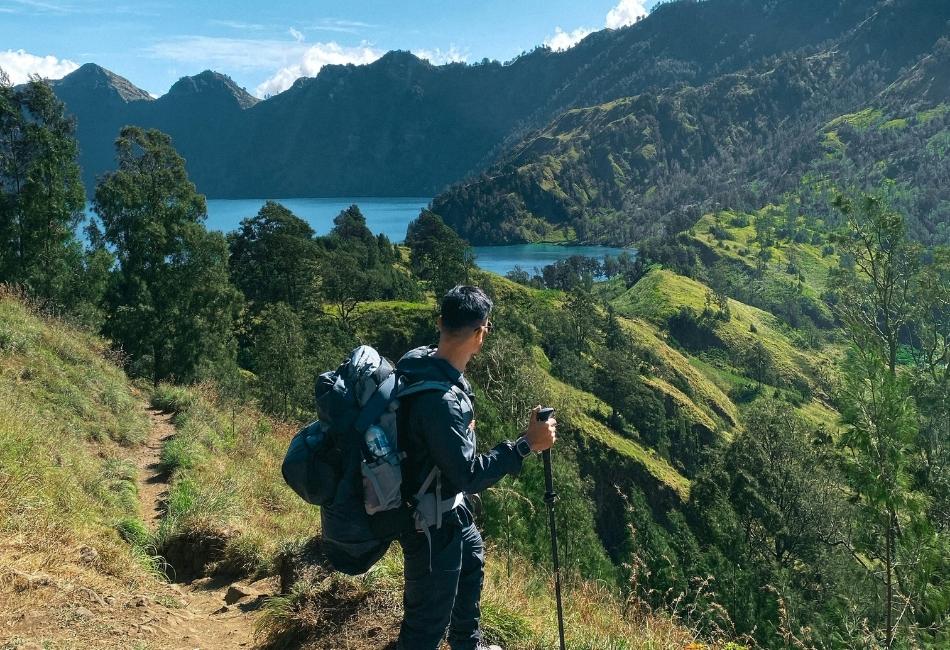
The Rinjani 4-day 3-night trek is best for travellers who want the mountain without turning every day into a physical test. It gives more recovery time around Segara Anak Lake and the hot springs, which improves comfort and photography opportunities. This option is still demanding, but slower pacing makes it safer and more enjoyable for hikers who do not want a compressed itinerary.
Essential Safety Tips For Mount Rinjani Trekking
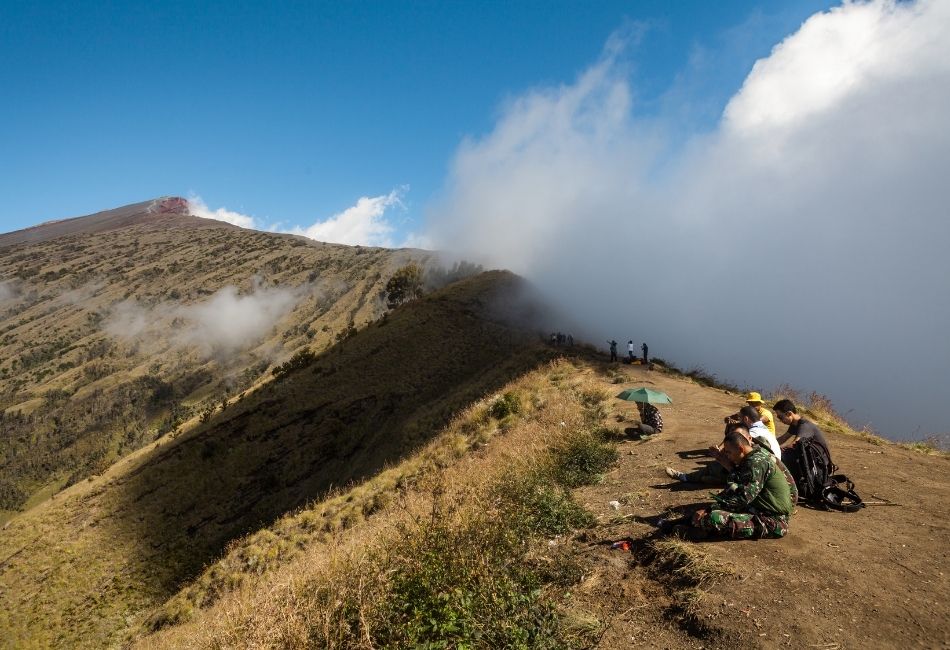
Mount Rinjani is a serious mountain trek with loose volcanic terrain, rapid weather changes, steep descents, cold nights, and official park rules. Good preparation reduces injury risk, exhaustion, missed summit attempts, and unsafe decisions on the trail.
- Choose Licensed Operators: Book with a registered trekking operator that provides permits, experienced guides, porters, tents, meals, water, and emergency procedures.
- Train Your Body: Prepare with uphill walking, stairs, cardio, and leg-strength work several weeks before the trek.
- Respect Weather Conditions: Avoid exposed ridges or summit attempts if guides warn of dangerous wind, rain, poor visibility, or unstable trails.
- Pace Your Climb: Walk steadily rather than rushing early sections, because saved energy matters most during the summit push and descent.
- Protect Your Knees: Use trekking poles and controlled steps on steep downhill sections, especially after summit morning.
- Follow Park Rules: Stay on official routes, carry out waste, respect campsites, and never enter during closure periods. The park SOP also prohibits leaving trash, damaging plants, disturbing wildlife, and ignoring official instructions.
Ready To Trek Mount Rinjani Trek With Indonesia Impression Tour?
Planning a Mount Rinjani hike involves more than choosing a package, because route length, fitness level, permits, licensed guides, transfers, weather, equipment, and recovery time all affect the trip. Indonesia Impression Tour can design a locally grounded Lombok itinerary that includes trekking, airport or hotel transfers, pre-trek accommodation, post-trek recovery, and wider Lombok or Bali travel.
For route planning, explore the Mount Rinjani Expedition Trekking or the Mount Rinjani Summit Trekking Tour. Contact Indonesia Impression Tour to match your Rinjani route with your fitness, timing, and travel goals.
Explore more: