8 Beautiful Temples in Java You Should Visit
Java is a magnificent island renowned for its breathtaking Hindu and Buddhist temples, standing as timeless testaments to Indonesia’s rich history. These historical sites in Indonesia hold immense cultural significance, offering a profound glimpse into ancient civilizations and their spiritual devotion.
Whether you are planning a comprehensive Yogyakarta temple tour or a scenic cross-island journey, this Java travel guide provides everything you need. You will discover practical travel details, stunning architectural highlights, and essential insider tips to ensure an unforgettable experience while exploring these magnificent monuments.
Explore: 8 Stunning Waterfalls In East Java Worth The Journey
1. Borobudur Temple
- Location: Jl. Badrawati, Kw. Candi Borobudur, Magelang, Central Java (about an hour from Yogyakarta)
- Opening Hours: 6:30 AM – 4:30 PM (daily)
- Entry Fee: IDR 455,000 for international tourists (courtyard-only tickets and special sunrise/sunset passes are available at different rates)
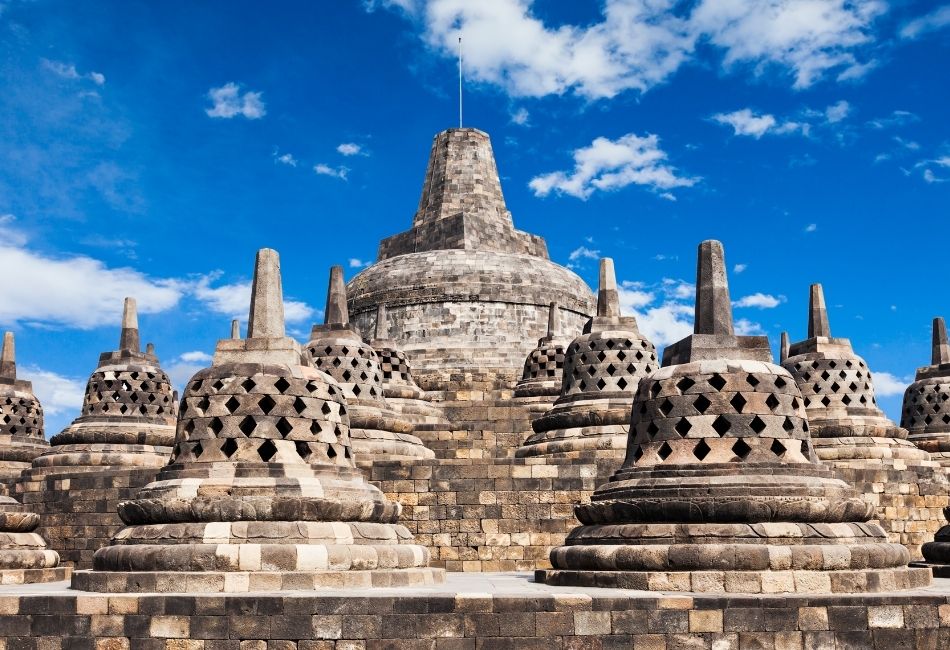
Built during the 8th-century Syailendra dynasty and famously rediscovered in 1814, the majestic Borobudur Temple is the largest Buddhist sanctuary globally. Its intricate reliefs beautifully illustrate ancient Javanese life and teachings.
To fully appreciate this Java cultural heritage, arriving early for a peaceful sunrise session is highly recommended. Because the expansive grounds get quite humid, wearing comfortable clothing and booking tickets online ensures a seamless entry to safely explore the magnificent stupas.
2. Prambanan Temple
- Location: Jl. Raya Solo – Yogyakarta, Kranggan, Sleman, Special Region of Yogyakarta
- Opening Hours: 6:00 AM – 4:30 PM (daily)
- Entry Fee: IDR 400,000 for international visitors
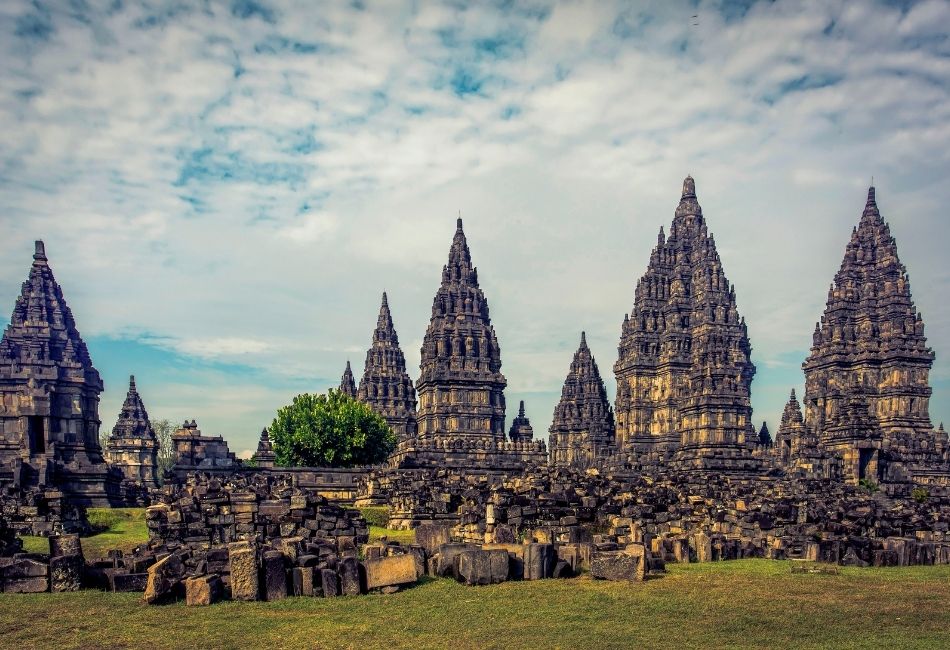
Constructed in the 9th century by the Sanjaya dynasty, Prambanan Temple is the grandest Hindu complex in Indonesia. Dedicated to Shiva, this site is historically steeped in the legendary Roro Jonggrang epic. Visitors exploring Borobudur and Prambanan often find these dark, detailed interior chambers uniquely impressive.
Since this remains an open area, bringing an umbrella provides excellent protection against unpredictable weather. For a complete cultural experience, you should definitely catch the spectacular Ramayana Ballet performance nearby.
3. Ijo Temple
- Location: Jl. Candi Ijo, Sambirejo, Sleman, Special Region of Yogyakarta (just 4km from Ratu Boko)
- Opening Hours: 8:00 AM – 5:00 PM (daily)
- Entry Fee: IDR 15,000 for foreign tourists
Built around the 9th to 10th centuries during the Mataram Kingdom, the tranquil Ijo Temple holds the title of the highest sanctuary in Yogyakarta. This captivating Candi in Java consists of structures representing the Hindu Trimurti, heavily influenced by ancient fertility symbolism.
The elevated topography offers breathtaking panoramic views overlooking Mount Merapi and lush paddy fields. Staying hydrated and bringing a head cover is crucial, as the grassy hillside terraces receive direct midday sunlight.
4. Ratu Boko Temple
- Location: Jl. Ratu Boko No.2, Bokoharjo, Sleman, Special Region of Yogyakarta
- Opening Hours: 7:00 AM – 5:00 PM (daily)
- Entry Fee: Starting from ~ IDR 286,000 for international adults (~ IDR 203,000 for children)
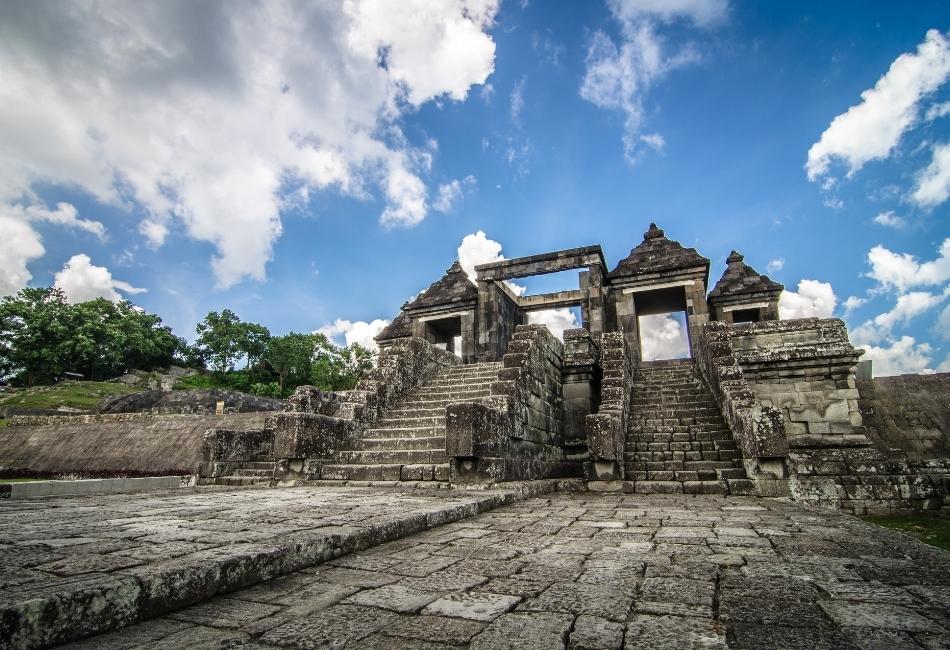
Dating back to the 8th-century Sailendra dynasty, the enchanting Ratu Boko Temple originally served as a fortified royal palace rather than just a shrine. Steeped in fascinating local mythology, the spacious grounds create a calm atmosphere perfect for families looking to explore ancient temples in Java away from heavy crowds.
Arriving late in the afternoon is widely considered the smartest strategy, as the elevated site provides one of the most stunning, unobstructed sunset views over the historic landscape.
5. Plaosan Temple
- Location: Jl. Candi Plaosan, Bugisan, Prambanan, Klaten, Central Java
- Opening Hours: 7:30 AM – 5:00 PM (daily)
- Entry Fee: IDR 50,000 for international tourists
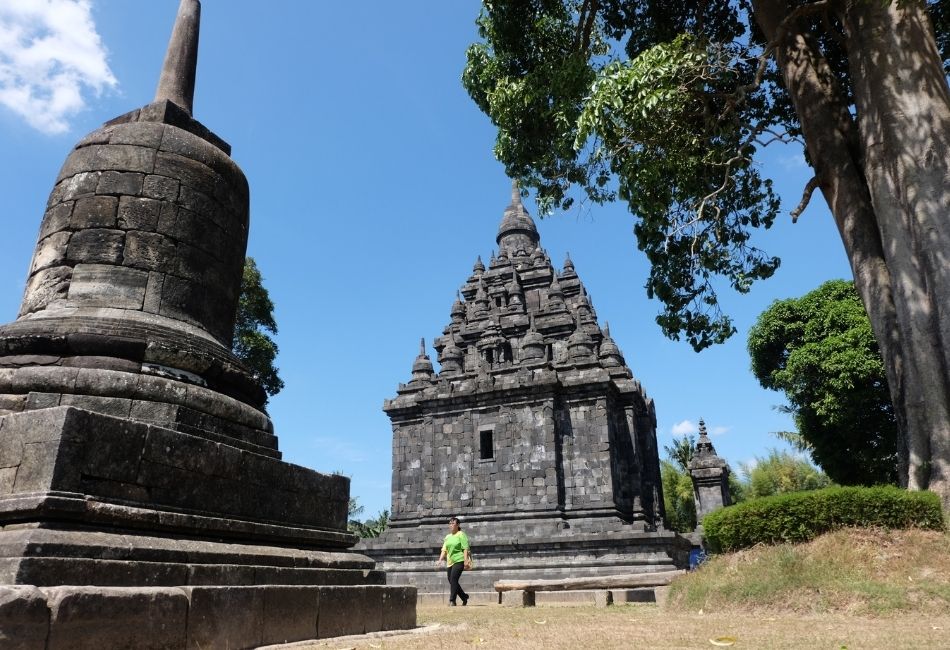
Erected in the mid-9th century as a romantic symbol uniting Hindu and Buddhist dynasties, the serene Plaosan Temple boasts two identical square structures. Stepping inside, visitors can marvel at beautifully preserved Bodhisattva statues and intricate stone reliefs.
This twin complex is a fantastic addition for those engaging in temple hopping Java, offering a deeply relaxed vibe. Exploring the ongoing restorations is fascinating, but carrying a hat is highly advised across the sunlit courtyard.
6. Cetho Temple (Candi Cetho)
- Location: Ceto, Gumeng, Jenawi, Karanganyar, Central Java (on the slopes of Mount Lawu)
- Opening Hours: 7:30 AM – 4:30 PM (daily)
- Entry Fee: IDR 30,000, plus an additional IDR 15,000 for the mandatory rental cloth
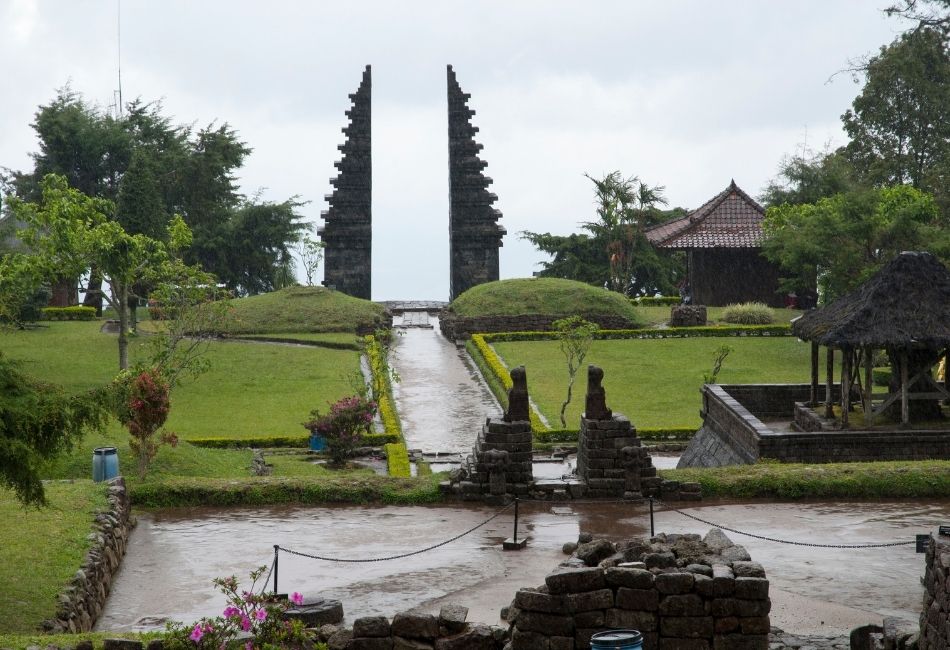
Built in the 15th century during the twilight of the Majapahit Empire, the striking Cetho Temple functions as an active Hindu sanctuary for local community worship. The terraced layout and dramatic stone gates give this refined space an ethereal ambiance highlighting profound themes of purification.
Because of the crisp mountain air, arriving early guarantees a refreshing experience. Utilizing designated parking areas and walking up to the pristine, photogenic site is a perfectly manageable and rewarding trek.
7. Jago Temple
- Location: Jl. Wisnuwardhana, Tumpang, Malang, East Java (about 22 km eastern part of Malang)
- Opening Hours: 7:30 AM – 4:00 PM (daily)
- Entry Fee: Free of charge
Constructed between 1275 and 1300 AD, the historically significant Jago Temple is widely believed to be the sacred resting place for the ashes of King Wisnuwardhana. Located in the eastern part of Malang, this fascinating structure features unique architectural forms and intricate ornamental reliefs.
It shares remarkable similarities with the Penataran temple in Blitar, making it a compelling stop for anyone deeply interested in ancient temples in Java. Exploring this quiet site provides a highly authentic connection to the powerful Singosari kingdom’s enduring legacy.
8. Pura Luhur Poten Hindu Temple
- Location: Cemorolawang, Ngadisari, Sukapura, Probolinggo, East Java (in the Sand Sea at the base of Mount Bromo)
- Opening Hours: 24 hours (Bromo Tengger Semeru National Park)
- Entry Fee: Generally included when paying the Bromo Tengger Semeru National Park entrance fee, which costs IDR 220,000 for foreigners on weekdays and IDR 320,000 on weekends.
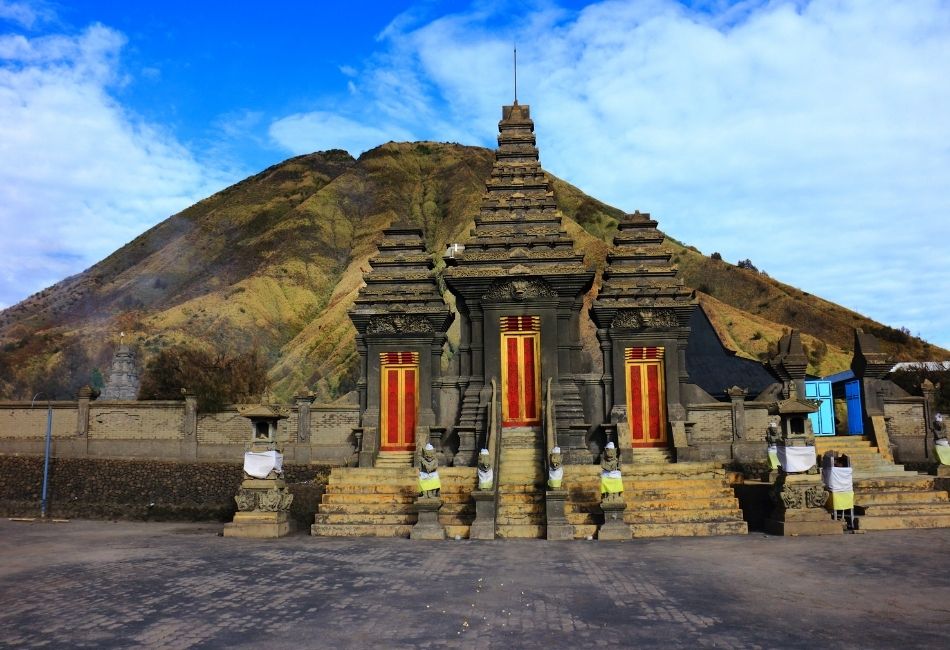
Although constructed recently in 2000, Pura Luhur Poten Hindu Temple hosts the annual 15th-century Yadnya Kasada festival, upholding the ancient Majapahit Kingdom’s traditions. Sitting dramatically in the volcanic Sand Sea, this sacred mandala-shaped sanctuary beautifully contrasts with the blasted landscape of Mount Bromo.
It is a highly recommended stopover to observe authentic local rites before heading up the crater. For the most breathtaking photographic angles, viewing the majestic temple structures from the volcano’s summit is spectacular.
Discover more: Top 10 Best Things To Do In Mount Bromo And Ijen Crater
What to Know Before Visiting Temples in Java
To fully embrace Java’s rich cultural heritage, thoughtful preparation is key to a seamless and respectful adventure. By understanding local etiquette, optimizing your transportation, and planning for the tropical climate, you guarantee an unforgettable journey through Indonesia’s magnificent ancient wonders.
- Respect Local Customs: Always dress modestly by covering your shoulders and knees, and maintain a quiet, polite demeanor while wandering through active sacred sites.
- Arrange Your Transport: Hiring a private driver provides maximum flexibility between scattered locations, whereas utilizing ride-hailing applications is perfectly suitable for traversing shorter city distances.
- Check The Weather: Start your historical explorations early in the morning to beat the intense midday heat and completely avoid unexpected afternoon rain; you can seamlessly plan your trip by checking our weather and climate guide.
- Book Advance Tickets: Securing your passes online ahead of time prevents long queues, and proactively looking for combined tickets will save you significant money.
- Wear Comfortable Footwear: Opt for sturdy walking shoes or flat sandals, as safely navigating massive ancient complexes and uneven stone stairs requires excellent foot support.
Explore: 10+ Must-Try Foods In Java Worth Tasting
Plan Your Java Temple Journey With Indonesia Impression Tour
The majestic ancient sanctuaries scattered across the island represent an irreplaceable cornerstone of Java’s cultural heritage. From the intricate Buddhist carvings of Borobudur to the towering Hindu spires of Prambanan, these monumental sites offer an unparalleled window into a fascinating, bygone era.
Rather than navigating the complex logistics and challenging transportation networks yourself, you should confidently allow experts to curate the perfect adventure. Ensure your trip is entirely stress-free by booking a highly customizable, professionally guided experience today. Visit Indonesia Impression Tour to secure reliable itineraries and immerse yourself fully in Indonesia’s wondrous history.