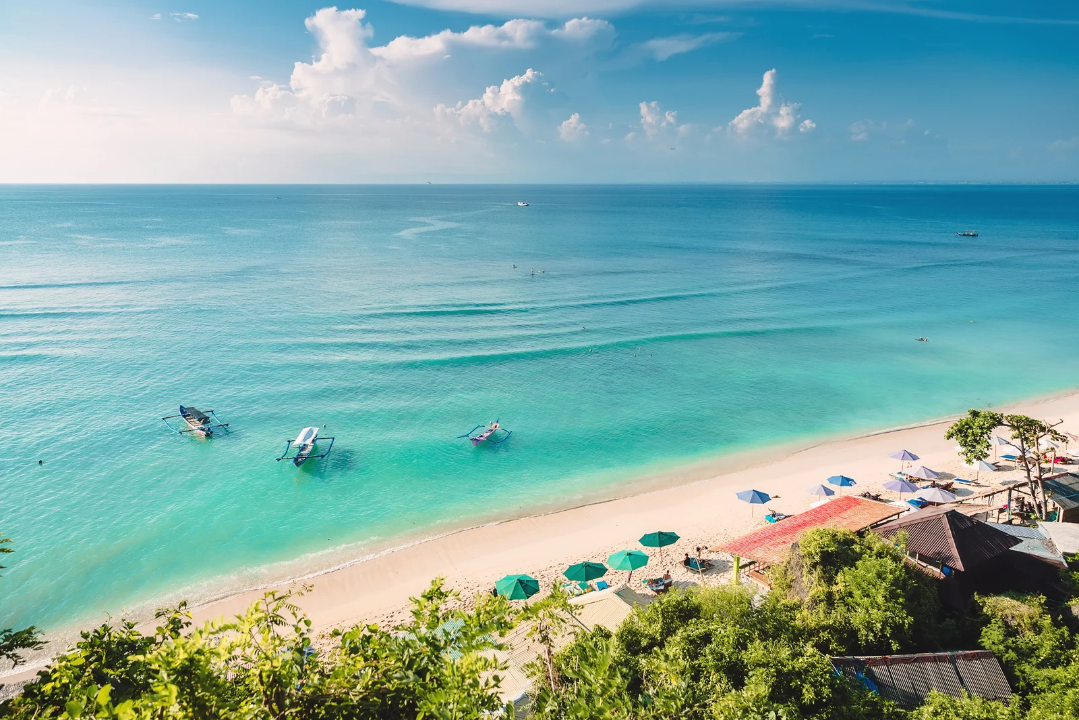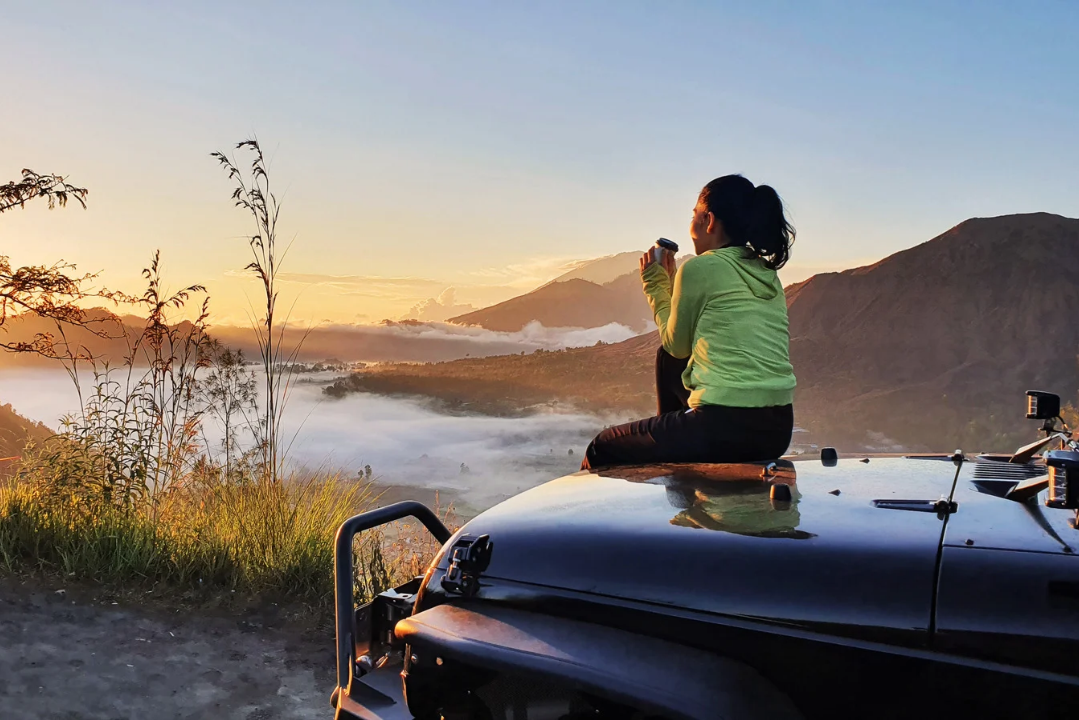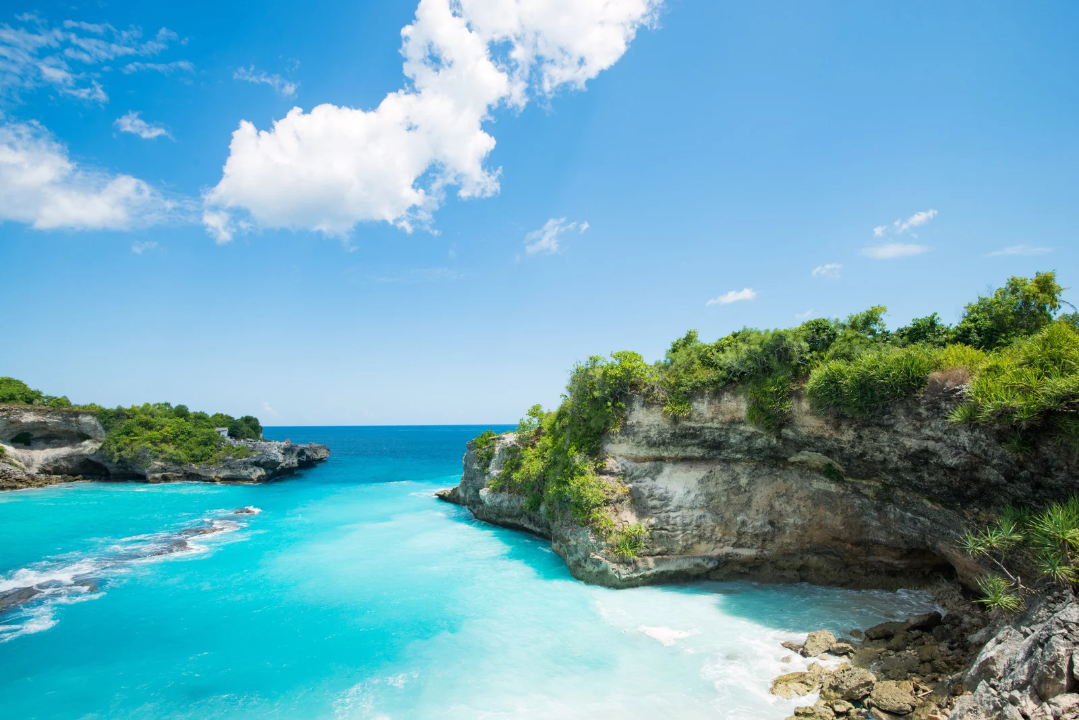
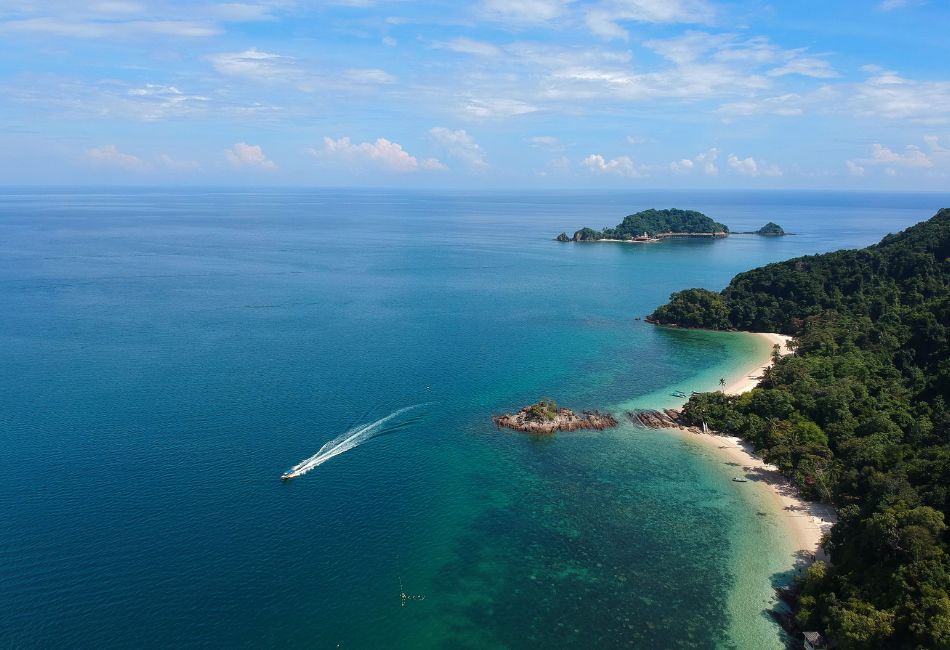
Satonda Island is a small volcanic island off the northern coast of Sumbawa, known for its unusual saltwater crater lake, forested volcanic landscape and coral-rich surrounding waters. With no permanent village population and access primarily by boat, Satonda offers a considerably more remote nature experience than many of Indonesia’s better-known island destinations.
Satonda now forms part of Moyo Satonda National Park, a protected area combining important terrestrial and marine ecosystems. Most travellers visit the island for several hours as part of a northern Sumbawa journey or a multi-day sailing route, combining the crater lake with snorkeling, short hikes, wildlife watching and time along the shoreline.
This guide covers the best things to do on Satonda Island, when to experience them, what to bring and how to combine Satonda with other destinations around Sumbawa and Komodo.
Satonda is a protected natural area. Trails, marine activities and access around the crater lake may change depending on conservation management, weather and sea conditions. Always follow current instructions from park staff, local guides or your boat crew.
Satonda Island at a Glance
| Travel Information | Details |
|---|---|
| Location | Pekat, Dompu Regency, West Nusa Tenggara, north of Sumbawa |
| Protected area | Moyo Satonda National Park |
| Best for | Nature, snorkeling, volcanic landscapes, wildlife and remote island experiences |
| Recommended visit | Approximately 3–5 hours for the crater lake, walking trails, snorkeling and shoreline |
| Main access | Boat from northern Sumbawa or selected Sumbawa–Komodo sailing itineraries |
| Best travel period | Generally April–October for drier weather, although actual sea conditions should always be checked locally |
What Makes Satonda Island Unique?
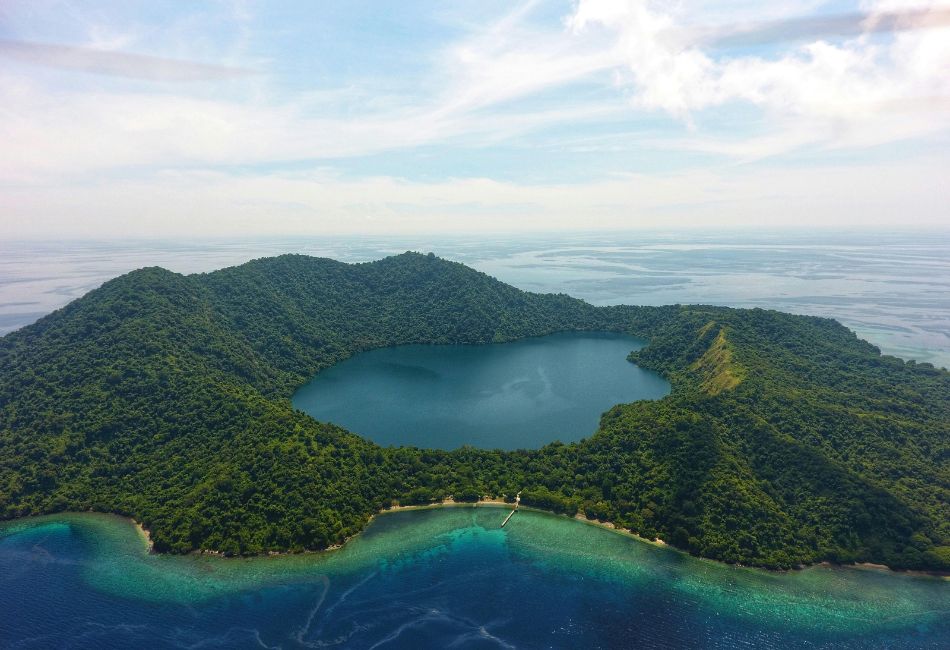
Satonda’s defining feature is the saltwater lake occupying the centre of its ancient volcanic crater. Often known as Danau Satonda, the lake has unusual saline and alkaline conditions and has attracted scientific interest because of its modern stromatolite formations.
The combination of crater lake, dry tropical forest, volcanic slopes and surrounding coral reefs makes Satonda particularly unusual. Within a relatively compact area, travellers can move from an inland volcanic environment to a tropical marine ecosystem within minutes.
Satonda is also relatively easy to combine with other nature destinations around Sumbawa. Travellers planning a longer island journey may also want to explore the beaches of Moyo Island, Saleh Bay and eventually the islands towards Komodo.
1. Visit the Saltwater Crater Lake – Danau Satonda
- Location: Danau Satonda, Pekat, Dompu Regency, West Nusa Tenggara
- Time to visit: morning to late morning; allow around 30–60 minutes around the lake area
- Travel tips: follow the established trail from the landing area and confirm current lake-access rules with your guide or park staff before entering the water
- Highlight: a rare saline crater lake completely enclosed by forested volcanic slopes
- Best for: first-time visitors, nature lovers, geology enthusiasts and photographers
- Essential things to bring: drinking water, sun protection, insect repellent, comfortable walking shoes and a camera
Lake Satonda is the island’s signature natural attraction and the experience most visitors should prioritise. After arriving by boat, a short walk through the forest leads inland towards the crater, where the coastline disappears and the landscape changes into a remarkably still volcanic lake surrounded by green slopes.
The lake differs from a typical freshwater volcanic lake because of its saline chemistry and unusual biological conditions. Modern stromatolite formations have also made Satonda scientifically significant, adding another layer of interest beyond the scenery itself.
Some visitors have historically entered the lake, but access rules can change as part of conservation management. It is therefore better to check with a ranger or guide on arrival rather than assuming swimming is always permitted.
2. Snorkel Around Satonda’s Coral Reefs
- Location: sheltered reef areas around Satonda’s southern shoreline and main anchorage
- Time to visit: morning to early afternoon; allow approximately 45–60 minutes
- Travel tips: ask your boat crew to identify the safest snorkeling area according to tide, current and wind rather than entering from an exposed shoreline independently
- Highlight: coral gardens and tropical marine life immediately outside the volcanic island
- Best for: snorkelers, marine-life enthusiasts, couples and active travellers
- Essential things to bring: mask, snorkel and fins, reef-safe sun protection, rash guard, drinking water and an underwater camera if available
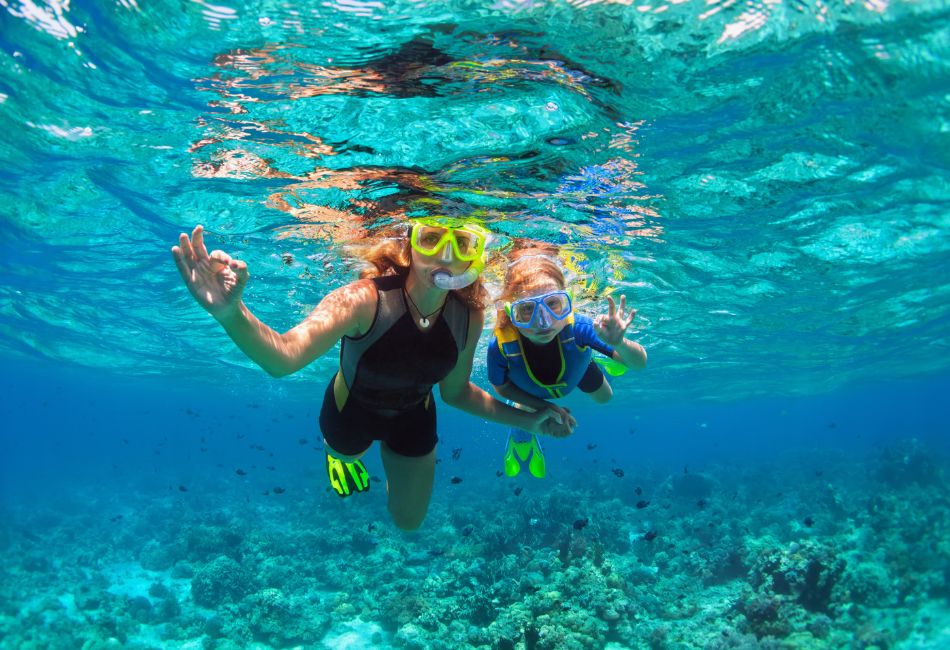
Satonda’s underwater landscape provides a strong contrast with the quiet volcanic environment of the crater lake. Fringing reefs extend around sections of the island, allowing travellers to explore coral gardens within a short distance of the anchorage.
Depending on sea conditions and visibility, snorkelers may encounter hard and soft corals, colourful reef fish and other tropical marine species. Because the reef profile and currents vary around the island, the best snorkeling point should be selected on the day by an experienced boat crew or local guide.
If marine experiences are a major part of your trip, Satonda can be combined naturally with the diving and snorkeling sites around Moyo Island, creating a broader marine itinerary across northern Sumbawa.
3. Hike to a Satonda Crater Viewpoint
- Location: crater trails rising from the lake and southern landing area
- Time to visit: early morning or late afternoon; allow around 45–90 minutes depending on the route
- Travel tips: avoid the hottest part of the day and confirm how much shore time your boat allows before starting a longer crater-rim walk
- Highlight: elevated views combining the crater lake, volcanic ridges and open Flores Sea
- Best for: active travellers, hikers, couples and landscape photographers
- Essential things to bring: closed walking shoes, drinking water, hat, sunscreen and camera
Satonda’s volcanic geography becomes much clearer when viewed from higher ground. Trails climbing towards the crater rim reveal the lake on one side and the open Flores Sea on the other, showing how dramatically the island rises from the surrounding water.
The walk is relatively short compared with a full mountain trek, but sections can still be steep, humid and slippery after rain. Travellers visiting on a short sailing stop should confirm the available time before committing to the longer route.
For most visitors, the viewpoint works best as an extension of the crater-lake visit rather than a completely separate activity. A longer hike makes more sense if the boat is staying at Satonda for several hours.
4. Explore Satonda’s Volcanic Landscape
- Location: forest and volcanic trails around Satonda’s interior and crater slopes
- Time to visit: preferably early morning; allow approximately 45–90 minutes
- Travel tips: remain on recognised trails and avoid removing volcanic rocks, plants or other natural materials from the national park
- Highlight: the transition from coral shoreline and dry forest to an ancient volcanic crater landscape
- Best for: nature travellers, hikers, geology enthusiasts and photographers
- Essential things to bring: sturdy shoes, water, lightweight clothing, insect repellent, sun protection and a small daypack
Satonda deserves to be explored as more than a single lake attraction. Short walks through its interior reveal a landscape of dry tropical forest, volcanic slopes and rocky terrain shaped by the island’s geological history.
The unusual environment becomes particularly interesting when compared with the coral reefs only a short distance away. Within one visit, travellers can experience both terrestrial volcanic landscapes and tropical marine habitats without travelling between separate islands.
Because Satonda forms part of a national park, exploration should remain low-impact. Following established trails also helps protect the vegetation and reduces the risk of getting separated from the main landing area.
5. Learn About Satonda’s Wish Tree Tradition
- Location: around the path and vegetation near Lake Satonda
- Time to visit: during the crater-lake walk; approximately 10–15 minutes
- Travel tips: observe existing objects respectfully and avoid removing coral, shells or rocks from the surrounding environment to create your own
- Highlight: a local tradition associated with wishes and symbolic objects hanging from tree branches
- Best for: culturally curious travellers, photographers and visitors interested in local stories
- Essential things to bring: camera and respectful curiosity; no special equipment is required
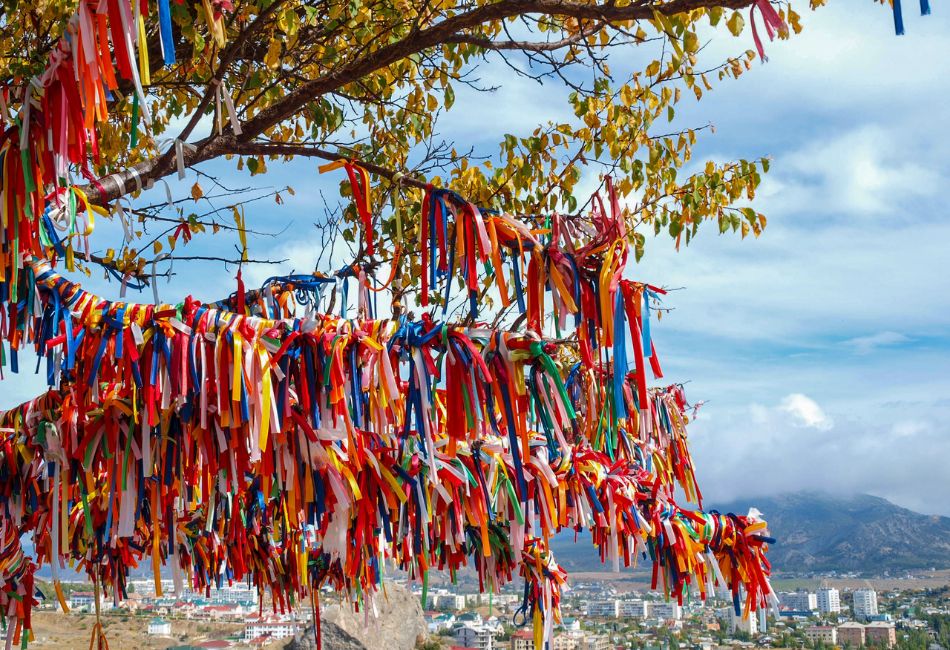
Near the crater lake, travellers may notice branches carrying stones and other hanging objects. These are commonly associated with Satonda’s Pohon Harapan, or Wish Tree tradition, where local stories connect objects placed on the trees with hopes and wishes.
Today, the most responsible way to experience the tradition is to learn about it rather than automatically repeat it. Satonda is a protected environment, and removing coral, shells or natural materials to hang on trees is not consistent with low-impact travel.
A local guide can provide more context about the tradition while helping distinguish cultural stories from the island’s geological and ecological history.
6. Relax Along Satonda’s Quiet Shoreline
- Location: beach and landing areas along Satonda’s southern coastline
- Time to visit: late morning or between other activities; approximately 30–60 minutes
- Travel tips: use the shoreline as a rest stop between hiking and snorkeling rather than expecting the facilities of a developed resort beach
- Highlight: a quiet volcanic-island shoreline surrounded by forest and clear water
- Best for: couples, photographers, relaxed travellers and anyone wanting downtime between activities
- Essential things to bring: beach towel, sandals or water shoes, sunscreen, hat, drinking water and snacks
Satonda’s shoreline feels considerably less developed than the beaches of Bali or Lombok. There are no large beach clubs or commercial promenades; instead, the coast remains primarily a natural landing point surrounded by forest and reef.
This simplicity is part of the appeal. After walking to the crater or spending time snorkeling, the shoreline provides an easy place to rest, swim only where conditions are suitable, or simply enjoy the view back towards the anchored boats.
Travellers looking for more classic white-sand beach experiences during the same Sumbawa journey can also explore the natural beaches of Moyo Island.
7. Kayak Around Satonda’s Sheltered Coast
- Location: sheltered waters close to Satonda’s anchorage and coastline
- Time to visit: early morning when conditions are typically calmer; approximately 30–60 minutes
- Travel tips: kayaking is most practical when your liveaboard or private vessel already carries equipment; do not rely on kayak rental being available on the island
- Highlight: observing Satonda’s volcanic slopes, rocky coastline and clear reef water from sea level
- Best for: couples, active travellers and slow coastal exploration
- Essential things to bring: life jacket, dry bag, hat, sun protection, drinking water and waterproof camera or phone case
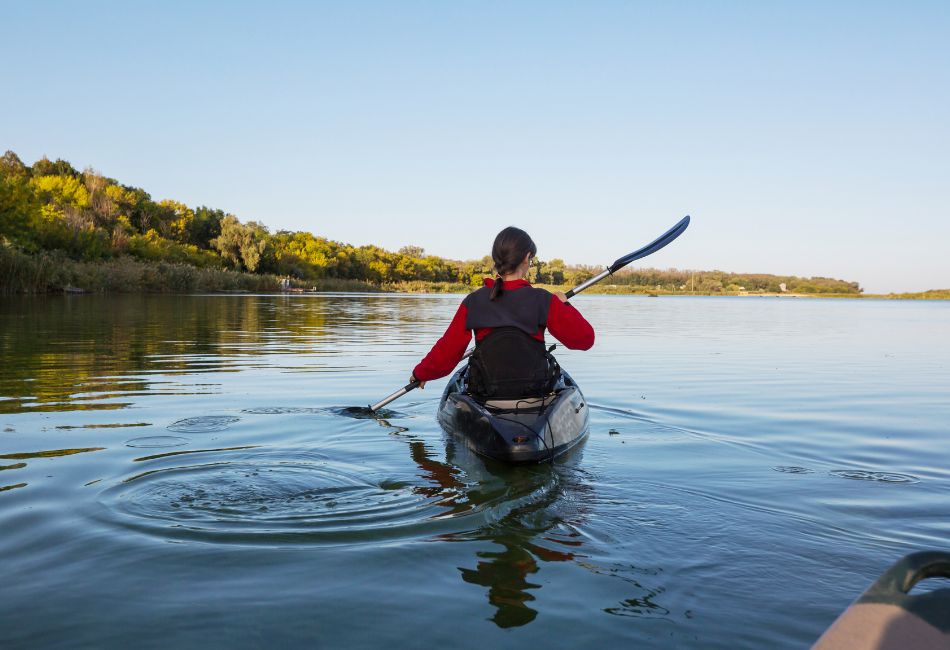
Kayaking provides a quieter perspective on Satonda’s volcanic coastline. From the water, the steep slopes and forested ridges appear much more dramatic, while clear sections above the reef can provide glimpses of coral and marine life beneath the kayak.
The experience is best suited to travellers arriving on a private boat or liveaboard carrying its own kayaks. Your captain should select the paddling area according to wind, current and swell rather than following a fixed route around the island.
A short morning paddle can also be combined easily with snorkeling before the strongest daytime heat develops.
8. Watch Sunset from Satonda’s Shoreline or Boat
- Location: western shoreline, elevated viewpoints or from a boat anchored offshore
- Time to visit: late afternoon until sunset; allow approximately 30–45 minutes
- Travel tips: sunset is most practical on a liveaboard itinerary because mainland day boats may need to leave earlier depending on navigation and sea conditions
- Highlight: sunset across the Flores Sea with Satonda’s volcanic silhouette in the foreground
- Best for: couples, photographers and travellers staying near Satonda overnight
- Essential things to bring: camera, light layer, insect repellent and binoculars if you plan to continue into wildlife watching
Late afternoon changes the atmosphere around Satonda considerably. Daylight softens across the volcanic slopes, while boats anchored offshore gain wide views over the Flores Sea.
The experience is particularly rewarding on a multi-day sailing itinerary because there is no need to rush back to the mainland before dark. Travellers can move naturally from sunset into the island’s evening wildlife activity.
If Satonda forms part of a longer eastbound sailing route, travellers may later continue towards Sangeang and the experiences included in a broader Komodo Island itinerary.
9. Watch Flying Foxes at Dusk
- Location: forest canopy around Satonda; generally easiest to observe from offshore or near the landing area
- Time to visit: around dusk, shortly before and after sunset; approximately 20–40 minutes
- Travel tips: remain at a respectful distance from roosting areas and treat sightings as a natural wildlife encounter rather than a guaranteed performance
- Highlight: large fruit bats leaving their daytime roosts as evening begins
- Best for: wildlife lovers, photographers, families and liveaboard travellers
- Essential things to bring: binoculars, telephoto camera if available and insect repellent
Satonda supports colonies of flying foxes that rest among the island’s trees during daylight hours. Around dusk, groups may begin leaving the forest to forage, creating one of the island’s most distinctive wildlife experiences.
Watching from offshore is often ideal because it provides a broader view while minimising disturbance to the animals. The number and timing of bats can vary naturally, so the experience should not be treated like a scheduled attraction.
The combination of sunset and flying foxes makes late afternoon especially worthwhile for travellers on a boat itinerary that does not need to leave Satonda immediately after the daytime activities.
10. Take a Scenic Boat Ride Around Satonda Island
- Location: offshore around Satonda’s volcanic coastline
- Time to visit: morning or late afternoon; approximately 30–60 minutes depending on sea conditions
- Travel tips: arrange the route directly with your captain and avoid attempting a complete circuit if exposed sections of the island are affected by strong swell or wind
- Highlight: seeing Satonda’s complete volcanic profile and changing coastline from the Flores Sea
- Best for: photographers, couples, sailing travellers and anyone wanting a broader perspective of the island
- Essential things to bring: hat, sunscreen, sunglasses, drinking water, camera and light waterproof protection for electronics
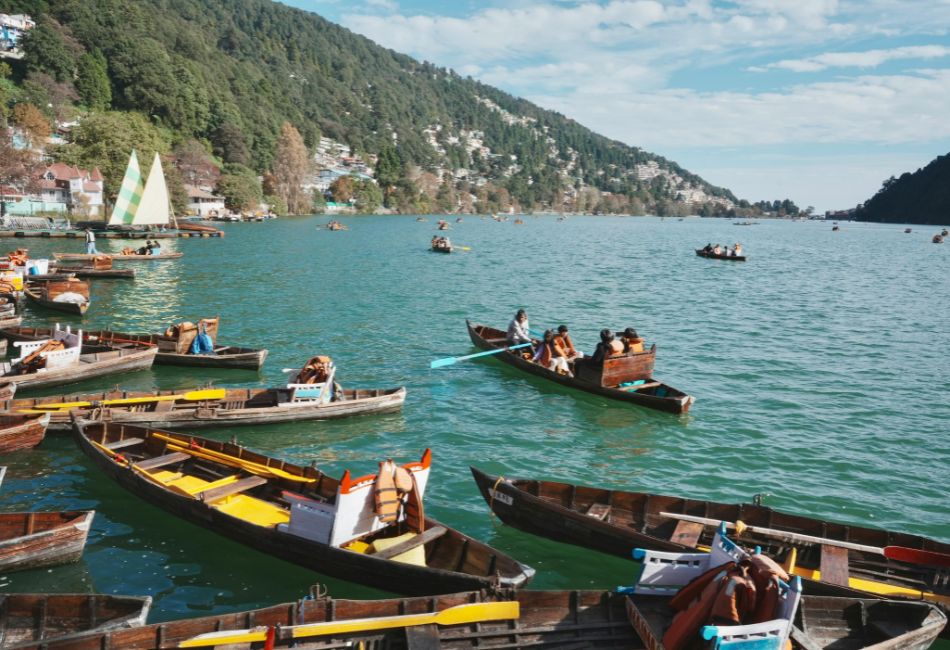
A boat journey around Satonda provides a perspective that cannot be seen from the crater trails. From offshore, the island appears clearly as a volcanic landform rising directly from the sea, with steep forested slopes, rocky headlands and reef areas changing around the coastline.
A full circuit is most practical on private or flexible liveaboard itineraries, where the captain can adjust the route according to conditions. When weather is less favourable, a shorter cruise along the sheltered side of the island can still provide excellent coastal views.
Satonda also fits naturally into longer sailing routes across Sumbawa. Travellers looking for a marine-focused journey can compare it with Indonesia Impression Tour’s Sumbawa Whaleshark Liveaboard, which combines snorkeling, islands and other natural experiences around Sumbawa.
How to Get to Satonda Island
Satonda has no airport and the final journey is always by boat. For most travellers, there are two practical ways to include it in an Indonesia itinerary.
From Northern Sumbawa
Travellers exploring Sumbawa overland can continue towards the northern coast around the Calabai and Pekat area before arranging local boat access to Satonda. Exact departure points and crossing times depend on local boat arrangements and sea conditions.
This route makes the most sense when Satonda is combined with other destinations around Sumbawa rather than treated as a standalone trip. Travellers planning the wider island can explore the available Sumbawa day tours and experiences.
By Liveaboard or Multi-Day Sailing Trip
For many international travellers, a multi-day sailing route is the more convenient option because Satonda can be combined with Moyo Island, Saleh Bay, Sangeang and destinations towards Komodo without repeatedly arranging separate land and boat transfers.
The Adishree Phinisi: Sumbawa Whaleshark & Wonders Voyage, for example, combines Moyo Island and Saleh Bay with snorkeling at Satonda and a visit to Satonda Lake before continuing east towards Sangeang and Komodo.
How Much Time Do You Need on Satonda Island?
For most travellers, three to five hours is enough to experience Satonda without rushing. This gives enough time for the crater lake, a short walking trail, snorkeling and some time along the shoreline.
A practical half-day visit might include:
- Arrival and landing: 10–20 minutes
- Walk to Satonda Lake: approximately 10–15 minutes each way
- Lake and surrounding trails: 30–60 minutes
- Snorkeling: 45–60 minutes
- Shoreline and photography: 30–45 minutes
Travellers interested in the crater viewpoint, kayaking, sunset or flying foxes should allow more time and ideally visit Satonda as part of an overnight sailing itinerary.
When Is the Best Time to Visit Satonda Island?
April to October is generally the most practical period for visiting Satonda, with the drier months normally providing easier walking conditions and more favourable opportunities for boat-based exploration.
However, the dry season does not guarantee calm water every day. Wind and swell can still affect the Flores Sea, and experienced captains may adjust landing times, snorkeling areas or sailing routes according to actual conditions.
For snorkeling, morning departures can offer a useful combination of cooler temperatures and potentially calmer conditions. Travellers hoping to see flying foxes should instead choose an itinerary that remains near Satonda into the late afternoon.
What to Bring to Satonda Island
Because Satonda has limited visitor infrastructure, it is better to arrive self-sufficient rather than expect to purchase equipment or essentials after landing.
- Drinking water: carry enough for your entire shore visit.
- Sun protection: sunscreen, sunglasses and a hat are essential for both boat and land activities.
- Walking footwear: secure sandals may be sufficient for the basic lake trail, but closed shoes are preferable for longer crater walks.
- Snorkeling equipment: confirm in advance whether your tour or vessel provides a mask, snorkel and fins.
- Swimwear and rash guard: useful for snorkeling and other water activities.
- Insect repellent: particularly helpful around forested areas and at dusk.
- Dry bag: useful for protecting phones, cameras and personal items during boat transfers.
- Camera or binoculars: worthwhile for coastal landscapes and wildlife observation.
Combine Satonda with More of Sumbawa
Satonda becomes more worthwhile when included as part of a wider Sumbawa itinerary rather than visited in isolation. Nearby regions offer very different experiences within the same journey.
- Explore secluded coastline in our guide to the best beaches on Moyo Island.
- Continue underwater exploration with the best diving and snorkeling sites on Moyo Island.
- Experience one of Sumbawa’s signature wildlife encounters with a whale shark adventure in Saleh Bay.
- Compare more land and marine experiences through our Sumbawa day tours.
- If continuing east, plan the next stage with our guide to the best things to do in Komodo Island.
Explore Satonda as Part of a Sumbawa Journey
Combine Satonda’s crater lake and coral reefs with Moyo Island, Saleh Bay whale sharks and the islands towards Komodo on a multi-day journey through eastern Indonesia.
Frequently Asked Questions About Satonda Island
Where is Satonda Island?
Satonda Island lies off the northern coast of Sumbawa in Dompu Regency, West Nusa Tenggara. The island forms part of Moyo Satonda National Park and is accessible by boat.
What is Satonda Island famous for?
Satonda is best known for its saltwater volcanic crater lake, unusual stromatolite formations, forested volcanic landscape, coral reefs and wildlife.
Can you swim in Lake Satonda?
Access to the lake water should be confirmed locally. Rules can change according to conservation management, so travellers should follow current guidance from park staff, local guides or boat crews rather than assuming swimming is always permitted.
Can you snorkel at Satonda Island?
Yes. Snorkeling is one of Satonda’s main marine experiences, with coral reefs located around parts of the island. Entry points should be selected according to current wind, tide and sea conditions.
How long should you spend on Satonda Island?
Most travellers need around three to five hours for the main experiences, including the crater lake, walking trails, snorkeling and shoreline. A longer visit is useful if you want to hike farther, kayak or remain for sunset and wildlife watching.
Is Satonda Island inhabited?
Satonda does not have a permanent village population. Visitors may encounter park staff, guides and tourism workers, but the island remains predominantly a protected natural landscape.
Is Satonda Island part of Komodo National Park?
No. Satonda forms part of Moyo Satonda National Park in West Nusa Tenggara. However, some multi-day sailing itineraries connect Satonda with Sumbawa, Sangeang and destinations farther east towards Komodo.
What is the best way to visit Satonda Island?
Travellers already exploring northern Sumbawa can arrange local boat access from the mainland. For visitors planning a broader journey, a multi-day sailing itinerary is often more practical because it can combine Satonda with Moyo Island, Saleh Bay and Komodo without repeated transfers.