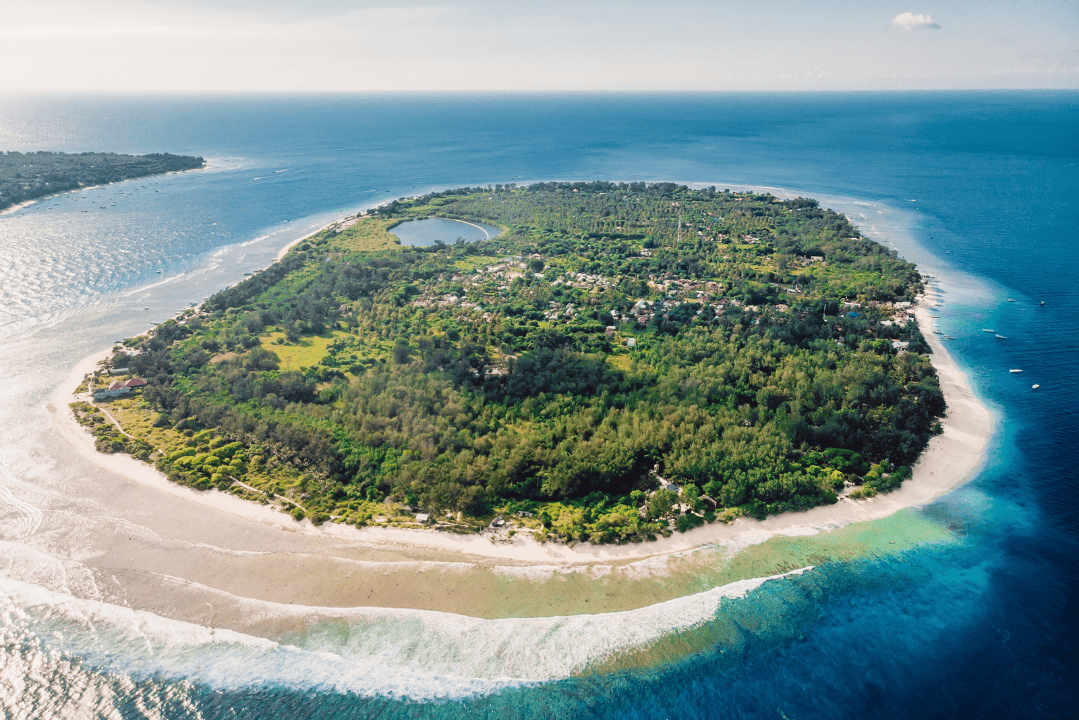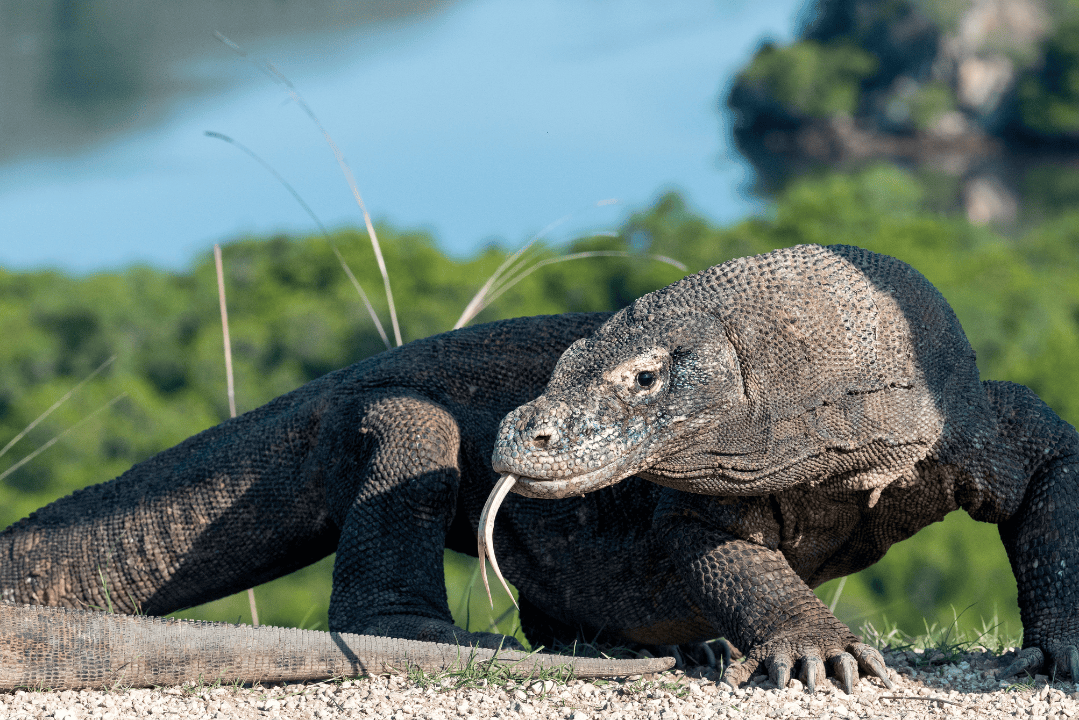
Wildlife in Indonesia ranges from orangutans and Komodo dragons to tarsiers, birds of paradise, manta rays and whale sharks. With such diverse ecosystems across Sumatra, Kalimantan, Sulawesi, Nusa Tenggara and Papua, choosing the right destination depends on the species you want to see and the type of wildlife experience you prefer.
This guide highlights 25 of the best places to see wildlife in Indonesia, with practical advice on what you can realistically encounter, the best experiences in each destination and how to include them in a wider Indonesia itinerary.
Best Wildlife Experiences in Indonesia at a Glance
| Wildlife Priority | Where to Go | Main Experience | Best For |
| Orangutans + river journey | Tanjung Puting | Klotok cruise + forest walks | First-time orangutan trips |
| Orangutans + trekking | Gunung Leuser | Jungle trekking | Active travellers |
| Komodo dragons | Komodo National Park | Ranger walks + boat travel | Iconic Indonesian wildlife |
| Tarsiers + macaques | Tangkoko | Guided forest walks | Accessible endemic wildlife |
| Birds of paradise + reefs | Raja Ampat | Birding + snorkelling/diving | Land and marine wildlife |
| Specialist birds of paradise | Arfak Mountains | Bird hides + trekking | Dedicated birdwatchers |
| Whale sharks | Saleh Bay | Boat-based encounters | Whale shark-focused trips |
| Manta rays near Bali | Nusa Penida | Snorkelling/diving | Bali extensions |
| Sea turtles | Derawan / Sukamade | Marine or conservation travel | Turtle-focused experiences |
| Savannah wildlife | Baluran | Overland wildlife viewing | Java itineraries |
| Sulawesi endemic birds | Lore Lindu | Specialist birdwatching | Birders |
| Reef biodiversity | Bunaken / Wakatobi | Diving and snorkelling | Marine wildlife travellers |
1. Tanjung Puting National Park – Best for Orangutans by River
Tanjung Puting in Central Kalimantan offers one of Indonesia’s most distinctive orangutan journeys. Instead of making long jungle treks the centre of the trip, travellers move through the rainforest aboard a traditional klotok, stopping for guided walks and orangutan observation along the Sekonyer River.
- Wildlife highlight: Bornean orangutans, proboscis monkeys, macaques, crocodiles and tropical birds
- Best experience: Multi-day klotok journey combined with guided forest walks
- Best for: First-time orangutan travellers and slower-paced wildlife itineraries
- Planning tip: Staying overnight along the river makes the journey itself part of the wildlife experience rather than simply transport between sites
- Best time to visit: Visits are possible through much of the year; drier periods generally make river and forest travel more comfortable
Orangutans may be the headline attraction, but Central Kalimantan has more layers beyond the national park. Many travellers also combine their wildlife experience with a Borneo orangutan and Dayak journey, adding local culture and a broader look at life beyond the Sekonyer River.
2. Gunung Leuser National Park – Best for Orangutan Trekking
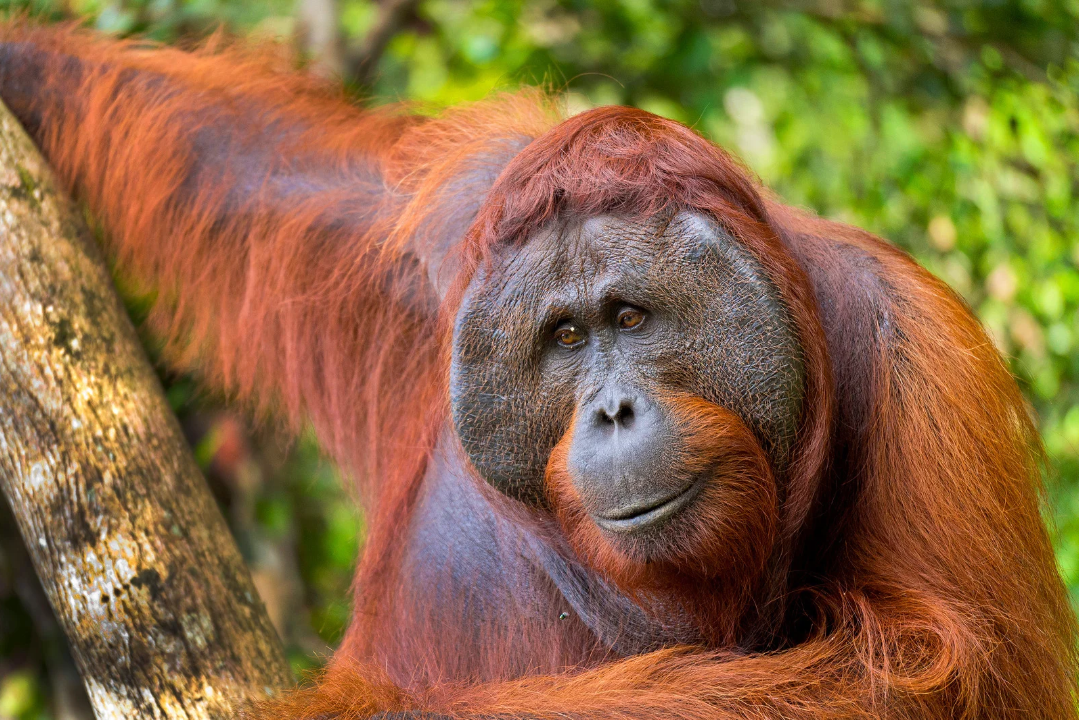
Gunung Leuser in northern Sumatra is better suited to travellers who want rainforest trekking to be an important part of the wildlife experience. Around Bukit Lawang, guided trails lead into forest used by Sumatran orangutans and several other primates.
- Wildlife highlight: Sumatran orangutans, Thomas’s leaf monkeys, gibbons, siamangs and macaques
- Best experience: Guided jungle trekking from Bukit Lawang and the wider Leuser ecosystem
- Best for: Active travellers and visitors comfortable with uneven rainforest trails
- Planning tip: Choose trek length according to fitness and how much time you want to spend deeper in the forest
- Best time to visit: June to September generally provides drier trekking conditions
Rare mammals including Sumatran tigers, rhinos and elephants survive within the wider ecosystem, but they should not be expected during a normal orangutan trek.
For travellers with more time, Bukit Lawang often becomes one stop within a broader North Sumatra trip. A Sumatra nature experience can connect orangutan trekking with Tangkahan, Berastagi and Lake Toba without breaking the journey into unrelated destinations.
3. Komodo National Park – Best for Komodo Dragons
Komodo National Park is Indonesia’s defining destination for seeing Komodo dragons within their natural range. Most trips combine ranger-guided walking with boat travel, allowing travellers to experience terrestrial wildlife, island landscapes and marine ecosystems within the same journey.
- Wildlife highlight: Komodo dragons, Timor deer, wild boar, manta rays and sea turtles
- Best experience: Ranger-guided dragon trekking combined with island-hopping and snorkelling
- Best for: Travellers wanting both terrestrial and marine wildlife
- Planning tip: A speedboat works for shorter itineraries, while a multi-day boat journey allows more time across the national park
- Best time to visit: April–June and September–November generally offer a good balance of trekking and boat conditions
Longer trails provide more time exploring Komodo’s landscape but do not guarantee more dragon sightings.
Komodo Island is also not the only place where travellers encounter dragons. Before deciding where to walk, comparing the best places to see Komodo dragons makes the differences between the main visitor areas easier to understand.
4. Tangkoko Nature Reserve – Best for Tarsiers and Crested Black Macaques
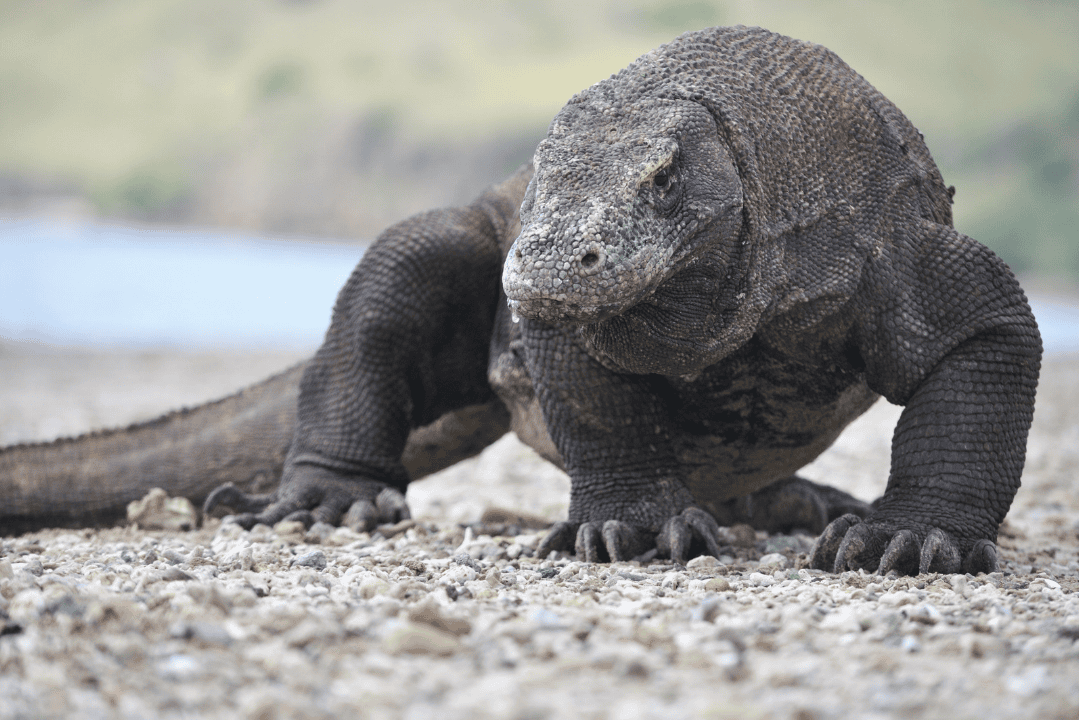
Tangkoko in North Sulawesi combines unusual endemic mammals with relatively manageable rainforest walking, making it one of the country’s strongest wildlife destinations for travellers who do not want an expedition-style trip.
- Wildlife highlight: Spectral tarsiers, crested black macaques, Sulawesi bear cuscus and hornbills
- Best experience: Guided forest walks timed around macaque and tarsier activity
- Best for: First-time visitors interested in Sulawesi’s endemic wildlife
- Planning tip: Spending a night near the reserve makes it easier to combine late-afternoon or dusk wildlife activity with early-morning forest walks
- Best time to visit: May to October generally offers drier conditions for rainforest walking
Tarsiers tend to receive most of the attention, but they are only part of what makes the reserve interesting. A closer look at Tangkoko’s tarsiers and rare wildlife also brings crested black macaques, cuscus and forest birdlife into the picture.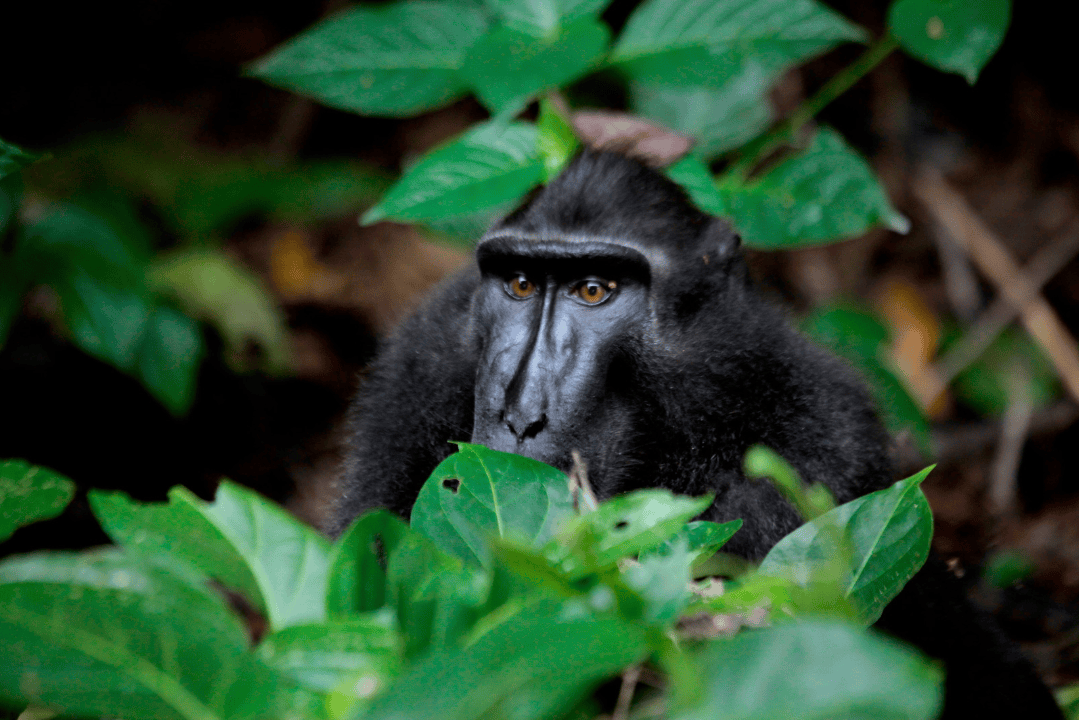
5. Raja Ampat – Best for Birds of Paradise and Marine Wildlife
Raja Ampat is one of Indonesia’s strongest destinations for travellers who want both terrestrial and marine wildlife rather than focusing exclusively on one ecosystem.
- Wildlife highlight: Red and Wilson’s birds of paradise, manta rays, sea turtles and reef wildlife
- Best experience: Early-morning birdwatching followed by island exploration, snorkelling or diving
- Best for: Travellers combining birdlife, marine biodiversity and island scenery
- Planning tip: Allow several days because birding areas, reefs and island viewpoints require separate boat and land excursions
- Best time to visit: October to April generally provides calmer seas for island-hopping, snorkelling and diving
Raja Ampat is often introduced through its reefs, but the experience changes considerably once the journey moves inland. Travellers interested in that lesser-seen side of the islands can explore how birds of paradise in Raja Ampat fit alongside its better-known marine wildlife.
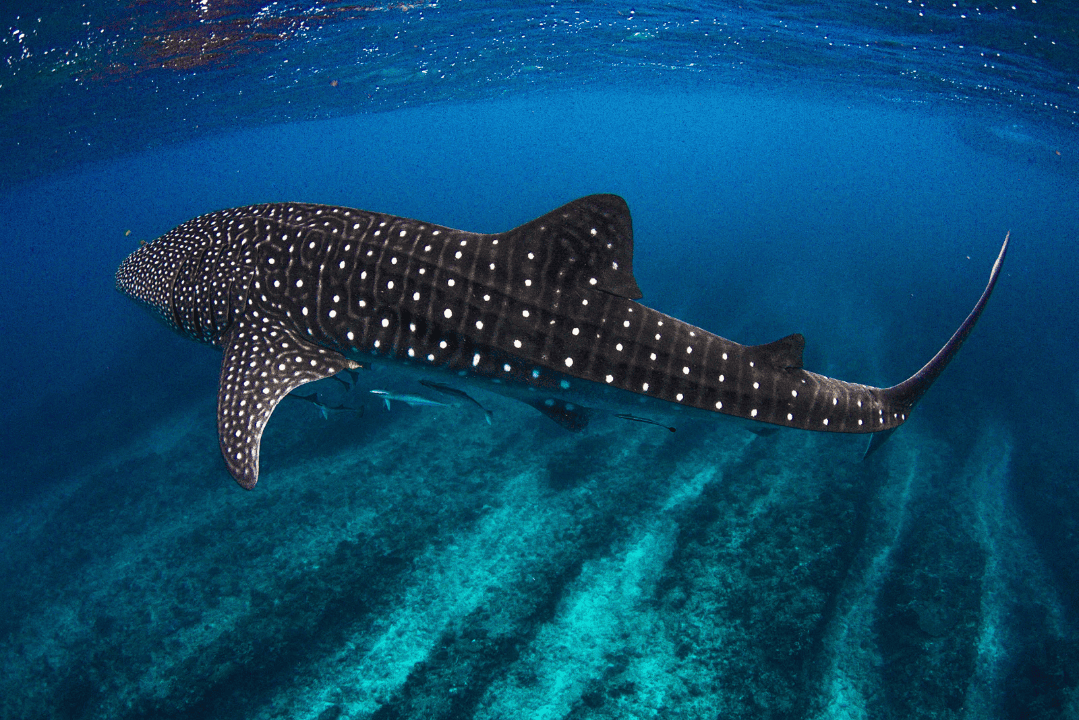
6. Saleh Bay, Sumbawa – Best for Whale Sharks
Saleh Bay is one of Indonesia’s recognised whale shark destinations and works best for travellers prepared to make whale sharks a central objective of the trip, rather than treating the experience as an optional excursion.
- Wildlife highlight: Whale sharks
- Best experience: Early boat journey to areas associated with whale shark activity
- Best for: Marine wildlife travellers and whale shark-focused itineraries
- Planning tip: Keep some flexibility because encounters depend on wildlife movement, local fishing activity and sea conditions
- Best time to visit: Confirm current whale shark activity and operating conditions locally rather than relying on a guaranteed month
The encounter itself may take only part of the trip, so many travellers choose to spend more time exploring Sumbawa rather than travelling in and out for one morning. A Sumbawa whale shark liveaboard is one way to place the wildlife experience within a broader island journey.
7. West Bali National Park – Best for Bali Starling
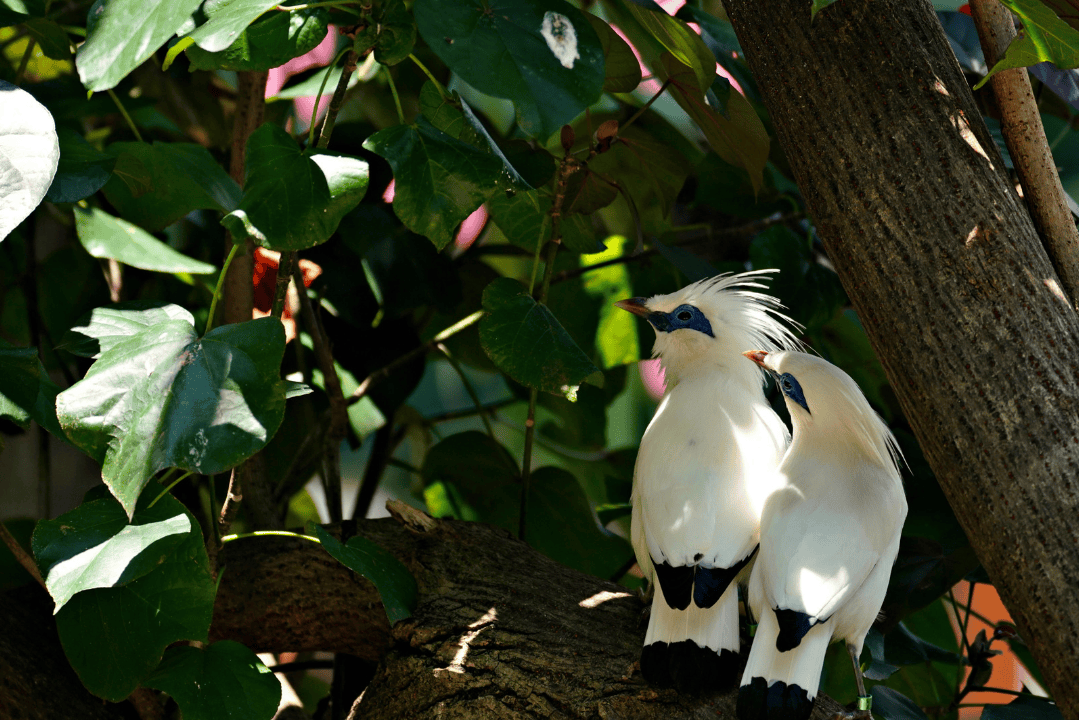
West Bali National Park provides one of the easiest ways to incorporate genuine terrestrial wildlife into a Bali itinerary. Its most important species is the Bali starling, an endemic bird closely associated with conservation in western Bali.
- Wildlife highlight: Bali starling, forest birds and deer
- Best experience: Guided birdwatching through dry forest, savannah and coastal habitats
- Best for: Travellers adding wildlife to an existing Bali journey
- Planning tip: Stay in West Bali or Pemuteran rather than attempting a rushed return trip from southern Bali
- Best time to visit: The drier months generally provide easier walking conditions, although birdwatching is possible year-round
A common way to extend the experience is to pair the national park with Menjangan Island, moving from endemic birdlife and forest habitat to reefs and marine wildlife without leaving West Bali.
8. Nusa Penida – Best for Manta Rays Near Bali
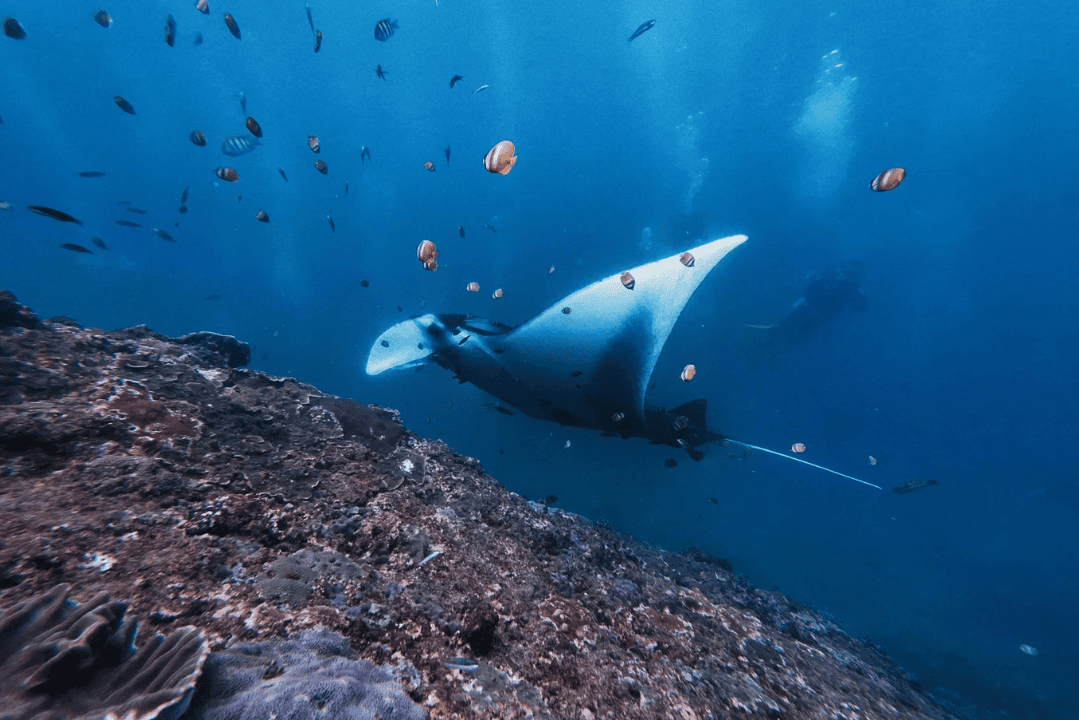
Nusa Penida is one of the most convenient Indonesian destinations for adding manta rays and marine wildlife to a Bali holiday without requiring a long domestic flight.
- Wildlife highlight: Manta rays, sea turtles, reef fish and seasonal mola
- Best experience: Snorkelling or diving at marine sites around Nusa Penida
- Best for: Bali travellers wanting a short marine wildlife extension
- Planning tip: Some sites experience strong currents, so choose snorkelling and diving locations according to sea conditions and experience level
- Best time to visit: Marine activities operate year-round, with conditions varying by site and season
- Seasonal highlight: Manta rays may be encountered throughout the year, while mola are more commonly associated with roughly July to October
Travellers often approach Nusa Penida differently depending on their priority: manta encounters work well for a wildlife-focused excursion, while divers may spend more time comparing conditions across individual sites.
9. Bunaken National Park – Best for Turtles and Reef Wildlife
Bunaken near Manado is one of Indonesia’s established Coral Triangle diving areas, known for coral walls, reef biodiversity and frequent turtle encounters.
- Wildlife highlight: Sea turtles, reef fish, rays and reef sharks
- Best experience: Wall diving and snorkelling around Bunaken and neighbouring islands
- Best for: Divers and snorkellers combining marine wildlife with North Sulawesi
- Planning tip: Pair Bunaken with Tangkoko for one of Indonesia’s most efficient rainforest-and-reef itineraries
- Best time to visit: May to October generally offers calmer seas and stronger underwater visibility
Travellers visiting Tangkoko often continue to Bunaken because the two experiences complement rather than repeat each other: endemic mammals and forest birdlife on land, followed by turtles and coral walls underwater.
10. Derawan Islands – Best for Turtles and Island-Based Marine Wildlife
The Derawan archipelago in East Kalimantan offers a broader island-based marine experience than a single dive destination.
- Wildlife highlight: Green and hawksbill turtles, manta rays, reef life and dolphins
- Best experience: Island-hopping between Derawan, Sangalaki, Kakaban and Maratua
- Best for: Travellers wanting turtles, reefs and several marine environments within one trip
- Planning tip: Allow several nights because boat transfers and individual islands are part of the experience
- Best time to visit: April to October generally offers more favourable sea conditions for diving, snorkelling and island transfers
Rather than treating Derawan as one wildlife stop, travellers usually gain more by moving between islands: Kakaban brings a different ecosystem through its jellyfish lake, while Sangalaki is better known for manta and turtle activity.
11. Sukamade, Meru Betiri National Park – Best for Sea Turtle Conservation
Sukamade in East Java is better understood as a turtle conservation experience than a conventional wildlife-watching attraction.
- Wildlife highlight: Green, hawksbill, olive ridley and leatherback turtles recorded within the wider protected area
- Best experience: Ranger-guided night observation of natural nesting activity when conditions allow
- Best for: Conservation-focused travellers and East Java overland itineraries
- Planning tip: Access is remote and road conditions can be challenging, so Sukamade works better as an overnight experience than a quick stop
- Best time to visit: Turtle activity occurs naturally and varies; confirm current conservation and visitor conditions before travelling
Visitors should not expect nesting on a particular night simply because the trip has been scheduled. Sukamade is more rewarding when viewed as part of Meru Betiri’s wider coastal ecosystem rather than only as a place to see turtles.
12. Baluran National Park – Best for Savannah Wildlife
Baluran offers a different side of Indonesian wildlife: open grassland and woodland rather than dense rainforest.
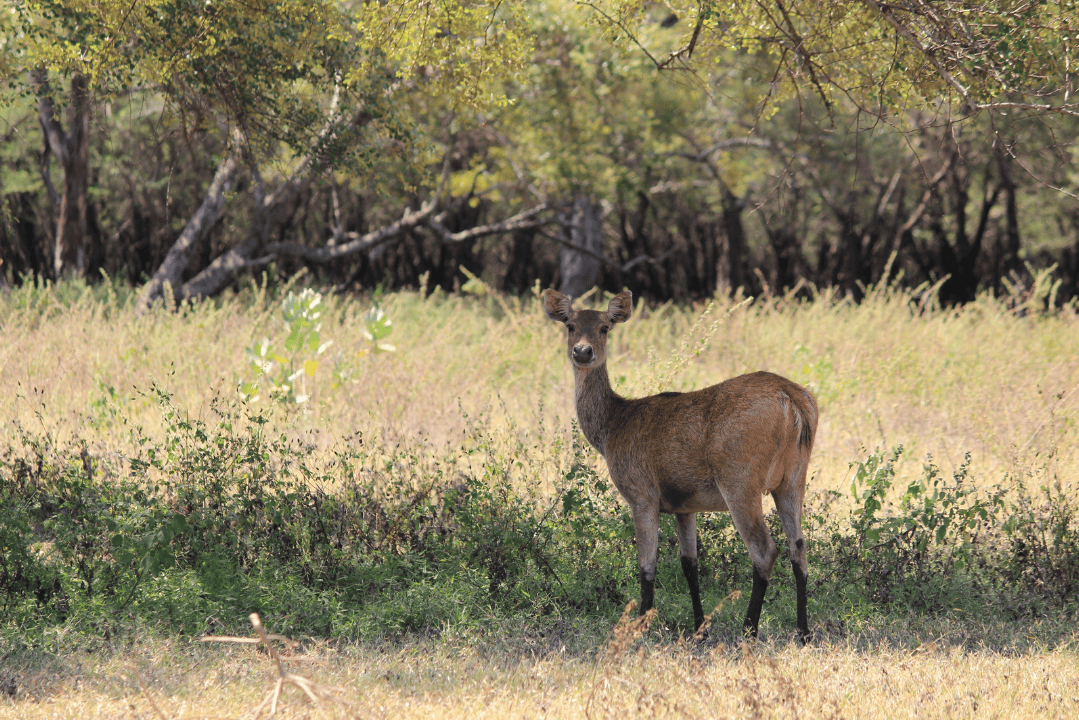
- Wildlife highlight: Banteng, Timor deer, macaques and green peafowl
- Best experience: Wildlife viewing around savannah and woodland habitats
- Best for: East Java road trips and travellers preferring lighter walking
- Planning tip: Early morning is generally more comfortable for wildlife observation before daytime temperatures rise
- Best time to visit: April to October is the main dry period, when the savannah becomes more open and wildlife may concentrate around remaining water sources
Baluran is especially easy to include for travellers already moving through Banyuwangi or continuing towards Bali, making it a practical wildlife stop without adding a separate flight or major detour.
13. Arfak Mountains – Best for Specialist Birds of Paradise
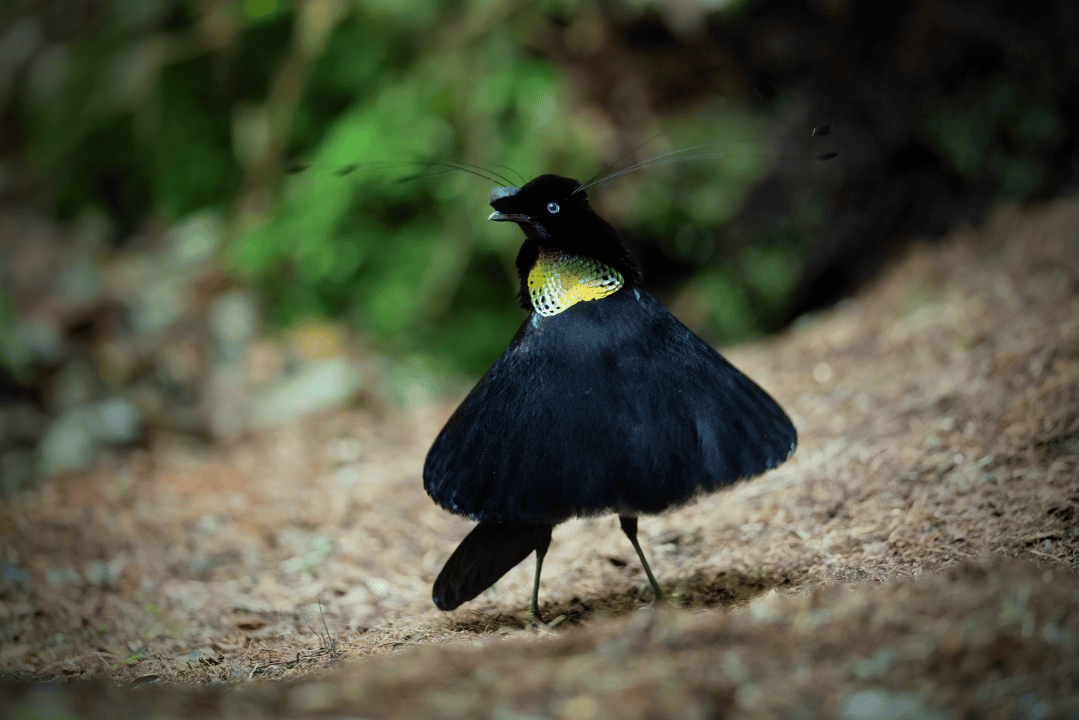
The Arfak Mountains in West Papua are designed for a very different type of traveller from Raja Ampat. Birding here is more specialised, with early starts, forest hides and a greater emphasis on individual endemic species.
- Wildlife highlight: Vogelkop superb bird-of-paradise, Western parotia, bowerbirds and montane Papuan species
- Best experience: Pre-dawn bird hides and guided mountain forest walks
- Best for: Dedicated birdwatchers and wildlife photographers
- Planning tip: Plan several mornings rather than relying on a single hide session, as sightings and display activity remain natural
- Best time to visit: May to October generally provides more reliable trail and road conditions
Some birdwatchers who first encounter Papuan birdlife in Raja Ampat later consider Arfak for a more specialised experience. Looking at what wildlife trekking in the Arfak Mountains actually involves helps clarify the difference between casual birding and a dedicated photography-focused journey.
14. Cenderawasih Bay – Best for a Remote Whale Shark Journey
Cenderawasih Bay in Papua offers a more remote whale shark experience than Saleh Bay and works best as part of a dedicated marine itinerary.
- Wildlife highlight: Whale sharks and tropical reef biodiversity
- Best experience: Multi-day boat-based exploration around whale shark and reef areas
- Best for: Travellers prepared to build the trip around remote marine wildlife
- Planning tip: Leave itinerary flexibility for weather, boat movements and wildlife activity
- Best time to visit: Whale sharks may be encountered beyond a single season, while roughly June to October generally offers more favourable surface conditions
For travellers comparing Indonesia’s whale shark regions, Cenderawasih stands apart because of its remoteness and the amount of travel involved. The Cenderawasih Bay whale shark experience provides a clearer picture of what a trip built around the bay can look like.
15. Kaimana and Triton Bay – Best for Remote Papua Marine Wildlife
Kaimana and Triton Bay combine whale shark possibilities with soft-coral reefs and a much less developed tourism environment than Bali, Komodo or North Sulawesi.
- Wildlife highlight: Whale sharks, dolphins and diverse reef life
- Best experience: Early whale shark excursions combined with snorkelling or diving
- Best for: Experienced Indonesia travellers seeking remote marine environments
- Planning tip: Whale shark encounters are linked partly to operating fishing platforms, so sightings should never be guaranteed
- Best time to visit: Approximately November to April generally provides better diving conditions around Triton Bay
Whale sharks may first put Kaimana on a traveller’s radar, but Triton Bay adds a very different reason to stay. Exploring Kaimana, whale sharks and Triton Bay together shows why the area is usually more rewarding as a broader marine journey than as a single-species trip.
16. Lore Lindu National Park – Best for Sulawesi Endemic Birds
Lore Lindu in Central Sulawesi is a stronger choice for specialist birdwatching than for travellers simply looking for easily visible large wildlife.
- Wildlife highlight: Maleo, Sulawesi endemic birds, tarsiers and forest fauna
- Best experience: Early-morning birding and guided trekking through highland and valley habitats
- Best for: Birdwatchers and travellers interested in Sulawesi endemism
- Planning tip: A specialist bird guide adds considerably more value than general independent trekking
- Best time to visit: June to September generally provides more practical conditions for trekking and outdoor exploration
Rare mammals such as anoa occur within Sulawesi’s forests but should not be treated as expected visitor sightings.
Lore Lindu is often only one part of a serious Sulawesi birding trip. Travellers interested in the island’s broader endemic wildlife can look at how a Sulawesi birdwatching journey links different habitats rather than concentrating on one national park.
17. Wakatobi – Best for Reef-Focused Wildlife Trips
Wakatobi in Southeast Sulawesi suits travellers whose wildlife priorities are almost entirely underwater.
- Wildlife highlight: Sea turtles, reef fish, corals and wider marine life
- Best experience: Multi-day diving or snorkelling across several reef systems
- Best for: Travellers making marine biodiversity a major part of their holiday
- Planning tip: Stay several days rather than treating Wakatobi as a quick excursion; getting there requires enough travel time to justify the journey
- Best time to visit: April to November generally provides favourable conditions for diving and snorkelling
Because Wakatobi’s appeal is spread across many reef systems, travellers often compare sites before deciding where to spend their time underwater. The guide to the best diving spots in Wakatobi is useful for understanding how the experience changes between different areas.
18. Mbeliling, Flores – Best for Flores Endemic Birds
The forests around Mount Mbeliling offer an easy way for bird-focused travellers to add a terrestrial wildlife element to a Labuan Bajo and Komodo itinerary.
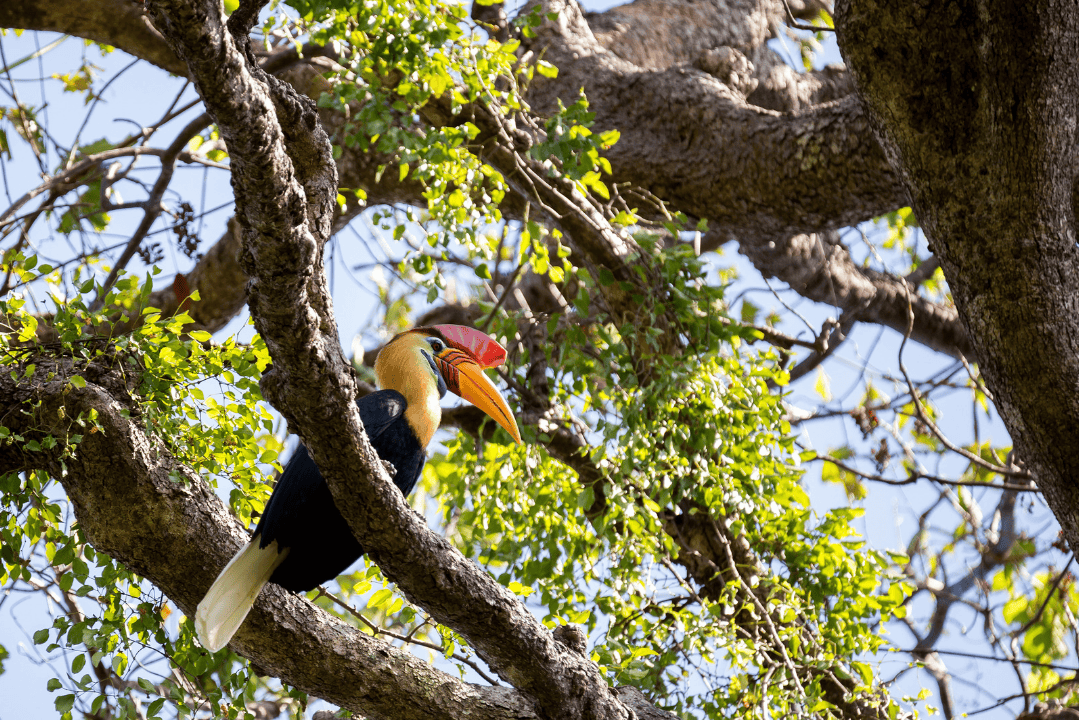
- Wildlife highlight: Flores and Lesser Sunda endemic birds
- Best experience: Guided forest birdwatching in western Flores
- Best for: Birdwatchers already travelling through Labuan Bajo
- Planning tip: Mbeliling works best as an extension to Komodo rather than as a standalone first wildlife trip to Indonesia
- Best time to visit: Drier months generally provide easier trail conditions in western Flores
Travellers who have already planned Komodo often consider Mbeliling when they want to see more of Flores itself. The contrast between endemic forest birds inland and dragons, reefs and islands offshore gives western Flores a much broader wildlife character.
19. Aketajawe–Lolobata National Park – Best for Halmahera Birding
Aketajawe–Lolobata protects extensive forest on Halmahera and is one of the more specialised wildlife destinations in this list.
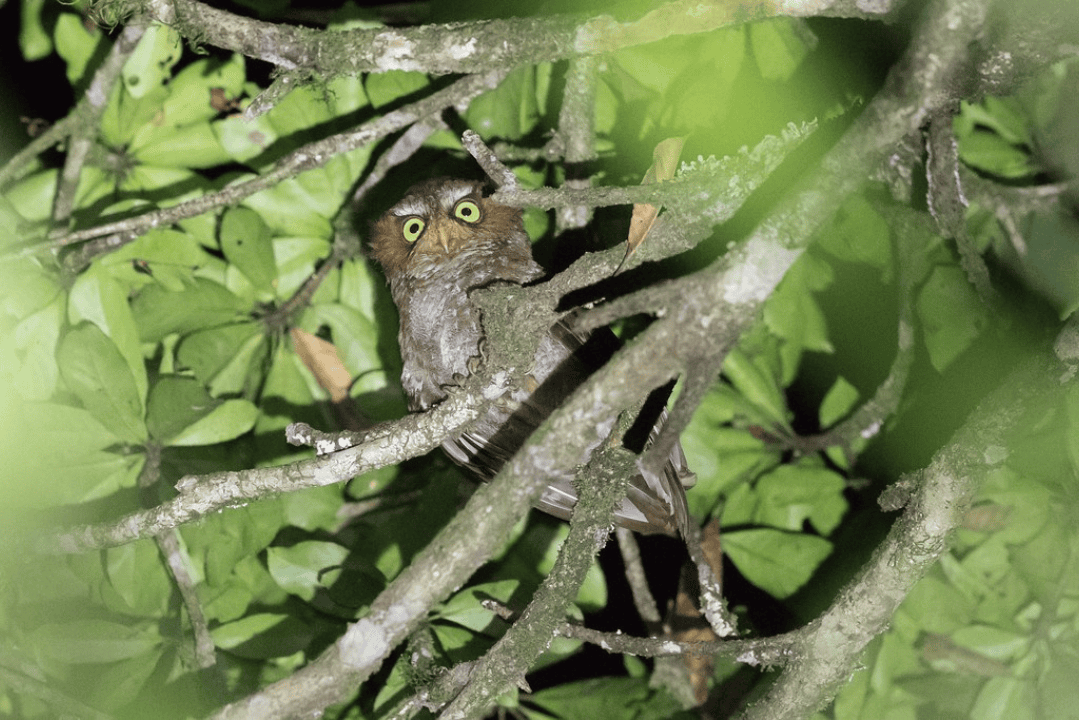
- Wildlife highlight: Wallace’s standardwing, white cockatoos and North Maluku endemic birds
- Best experience: Specialist rainforest birdwatching
- Best for: Experienced birders building a Wallacea-focused itinerary
- Planning tip: Local birding expertise is particularly important because access and observation sites are less straightforward than Tangkoko or West Bali
- Best time to visit: June to September generally offers drier trails and easier forest access
Aketajawe–Lolobata is usually considered by travellers who are already interested in Wallacean endemics. For a general wildlife trip, Tangkoko is easier; for a birding-focused journey, Halmahera opens up an entirely different group of species.
20. Sebangau National Park – Best for Wild Orangutans in Peat-Swamp Forest
Sebangau protects a major peat-swamp forest ecosystem and an important population of wild Bornean orangutans.
- Wildlife highlight: Wild Bornean orangutans and peat-swamp wildlife
- Best experience: Guided forest and wetland exploration
- Best for: Repeat Borneo travellers and visitors interested in intact habitat
- Planning tip: Expect less structured wildlife observation than at the established orangutan sites of Tanjung Puting
- Best time to visit: Travel is possible across much of the year, with drier periods generally making forest access easier
Travellers comparing Borneo orangutan destinations often choose Tanjung Puting for a first trip and consider Sebangau when they want a less structured experience centred more strongly on wild habitat.
21. Ujung Kulon National Park – Best for Conservation-Focused Wildlife
Ujung Kulon is globally important because it protects the world’s last viable natural population of the Javan rhino. That conservation significance needs to be separated from realistic traveller expectations.
- Wildlife highlight: Banteng, primates and forest birds; Javan rhino habitat
- Best experience: Rainforest, river and coastal exploration
- Best for: Conservation-focused nature travellers
- Planning tip: Visit for the protected landscape rather than specifically trying to photograph a rhino
- Best time to visit: The drier months generally make trekking and boat access more practical
Do not expect Javan rhino sightings. The species is extraordinarily rare and secretive, and Ujung Kulon should be approached for its forest, coastline and conservation importance rather than as a conventional rhino-watching destination.
22. Kerinci Seblat National Park – Best for Specialist Sumatra Wilderness
Kerinci Seblat is one of Sumatra’s most important protected rainforest landscapes, but it should not be confused with the more accessible primate experiences around Bukit Lawang.
- Wildlife highlight: Forest birds and habitat used by Sumatran tigers, tapirs, sun bears and other mammals
- Best experience: Rainforest trekking, birdwatching and wilderness exploration
- Best for: Experienced nature travellers and specialist birders
- Planning tip: Travel for the ecosystem and forest experience rather than targeting one rare mammal
- Best time to visit: Drier periods generally make trekking more practical; current trail and local conditions should be checked before travelling
Sumatran tigers occur within the wider protected landscape, but direct sightings should not be expected on normal visitor itineraries. Travellers usually choose Kerinci for wilderness, birdlife and rainforest exploration rather than a species checklist.
23. Alas Purwo National Park – Best for East Java Forest and Coastal Wildlife
Alas Purwo at Java’s eastern tip combines lowland rainforest, savannah, mangroves and coastline within one protected landscape.
- Wildlife highlight: Banteng, deer, macaques, green peafowl and other forest wildlife
- Best experience: Exploring forest and savannah around sites such as Sadengan
- Best for: Travellers exploring East Java beyond its volcano routes
- Planning tip: Allocate more time than for Baluran because the park covers several different ecosystems
- Best time to visit: The dry season generally offers easier access and better visibility around open savannah areas
Travellers comparing East Java’s wildlife parks often choose Baluran for a simpler savannah stop, while Alas Purwo suits those who want to spend more time moving between forest, grassland and coastal habitats.
24. Bogani Nani Wartabone National Park – Best for Maleo and Specialist Sulawesi Wildlife
Bogani Nani Wartabone is especially relevant to travellers building a deeper birding itinerary across northern Sulawesi.
- Wildlife highlight: Maleo and endemic Sulawesi birds, with habitat for tarsiers, anoa and other mammals
- Best experience: Birdwatching and conservation-focused visits around maleo sanctuary areas
- Best for: Specialist birders and repeat Sulawesi travellers
- Planning tip: Early morning is important at maleo observation areas, where nesting activity is monitored from designated viewing points
- Best time to visit: Drier months are generally more practical for forest travel and birding
Tangkoko is usually the easier introduction to Sulawesi wildlife. Travellers who become more interested in the island’s endemics often look farther inland to areas such as Bogani, where the experience becomes more specialised and bird-focused.
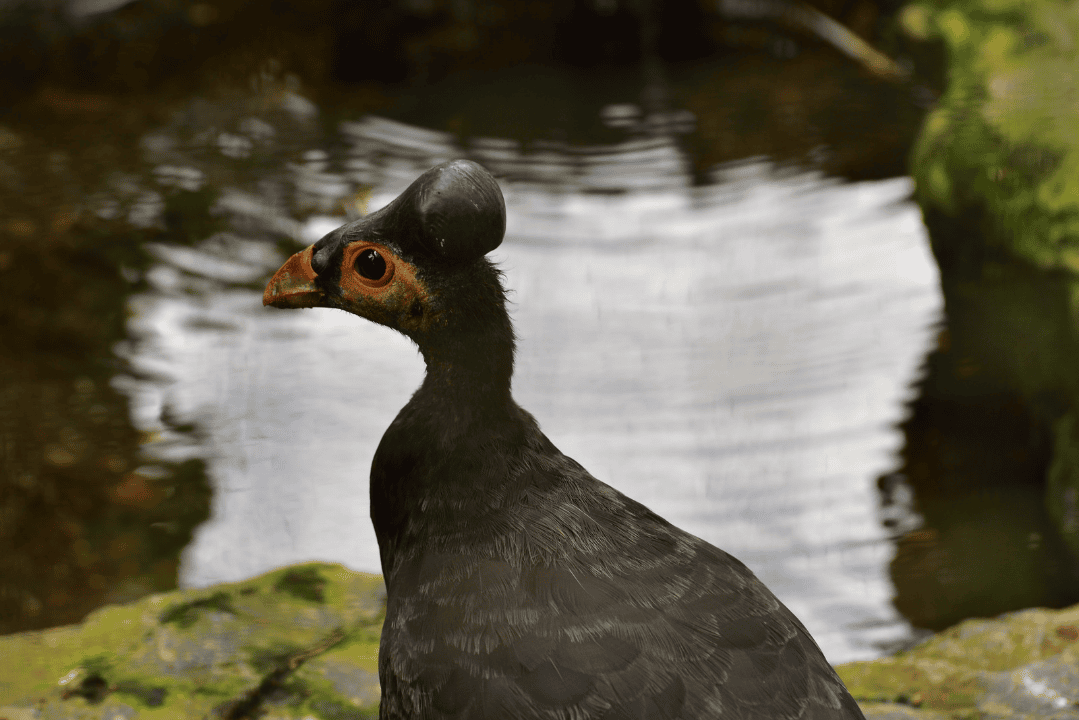
25. Wasur National Park – Best for Papuan Wetlands and Migratory Birds
Wasur near Merauke has a very different character from Indonesia’s tropical rainforest parks. Savannah, seasonal wetlands and open woodland give the landscape stronger ecological links with New Guinea and northern Australia.
- Wildlife highlight: Waterbirds, cassowaries, birds of paradise, wallabies and other Papuan fauna
- Best experience: Guided wetland and savannah wildlife exploration
- Best for: Specialist birdwatchers and travellers interested in remote ecosystems
- Planning tip: Base the trip from Merauke and allow enough time for local access and guided excursions
- Best time to visit: August to November generally provides drier conditions and more practical access
- Seasonal highlight: Migratory birds from Australia and other regions add particular interest to Wasur’s wetlands during this period
For travellers who have already explored Indonesia’s rainforests and reefs, Wasur offers something noticeably different: open Papuan landscapes where wetlands, migratory birds and Australasian wildlife become the main story.
Plan Your Indonesia Wildlife Journey
Planning an Indonesia wildlife tour is about more than choosing individual national parks. With wildlife experiences spread across Sumatra, Kalimantan, Flores, Komodo, Sulawesi and Papua, the most rewarding journeys combine the right habitats, seasons and travel routes into one well-planned itinerary.
As an Indonesia-based destination management company and inbound tour operator, Indonesia Impression Tour creates tailor-made journeys across the archipelago, bringing together wildlife encounters, experienced local guides, domestic transport, accommodation and complementary nature and cultural experiences. Travellers can explore the rainforests of Tanjung Puting on our Borneo Orangutan Explorer Lodge, combine island landscapes and encounters with Komodo dragons on the Mbeliling Flores & Komodo National Park Adventure, or head east for specialist birdwatching on our Bird of Paradise Raja Ampat journey.
These experiences can be enjoyed individually or connected as part of a wider tailor-made Indonesia wildlife itinerary, depending on your priority species, preferred travel style, available time and the most practical route between islands.
Explore our wider collection of wildlife and nature journeys to discover which parts of Indonesia best match the experiences you want to include in your trip.
Explore Indonesia Wildlife & Nature Tours
FAQ About Wildlife in Indonesia
What Wildlife Is Indonesia Famous For?
Indonesia is especially known for orangutans, Komodo dragons, tarsiers, crested black macaques, birds of paradise, Bali starlings, manta rays, whale sharks and sea turtles.
It also protects extremely rare species such as Sumatran tigers and Javan rhinos, although normal travellers should not expect to see them.
What Is the Best Place to See Wildlife in Indonesia?
There is no single best destination.
Choose Tanjung Puting for river-based orangutan travel, Gunung Leuser for rainforest trekking, Komodo for dragons, Tangkoko for Sulawesi endemic mammals and Raja Ampat for birds combined with marine wildlife.
Where Is the Best Place to See Orangutans in Indonesia?
Tanjung Puting is better for travellers wanting a river-based orangutan journey, while Gunung Leuser suits travellers who want rainforest trekking to be central to the experience.
Where Can You See Komodo Dragons?
Komodo National Park is the main destination for seeing Komodo dragons within their natural range. Visitor experiences normally combine ranger-guided walks with boat travel.
Where Can You See Tarsiers in Indonesia?
Tangkoko Nature Reserve in North Sulawesi is one of the most practical destinations for travellers specifically interested in tarsiers.
Where Can You See Birds of Paradise?
Raja Ampat is a strong choice for travellers combining birdwatching with island and marine travel.
The Arfak Mountains are better suited to specialist birders and wildlife photographers prepared for more demanding logistics.
Where Can You See Whale Sharks in Indonesia?
Saleh Bay in Sumbawa, Cenderawasih Bay and Kaimana–Triton Bay are among Indonesia’s recognised whale shark destinations.
Sightings remain dependent on wildlife behaviour and local operating conditions.
Can You See Sumatran Tigers or Javan Rhinos?
They survive in protected Indonesian habitats, but direct sightings are extraordinarily rare.
Kerinci Seblat should not be treated as a conventional tiger-watching destination, and travellers should visit Ujung Kulon for its ecosystem and conservation significance rather than expecting to see a Javan rhino.