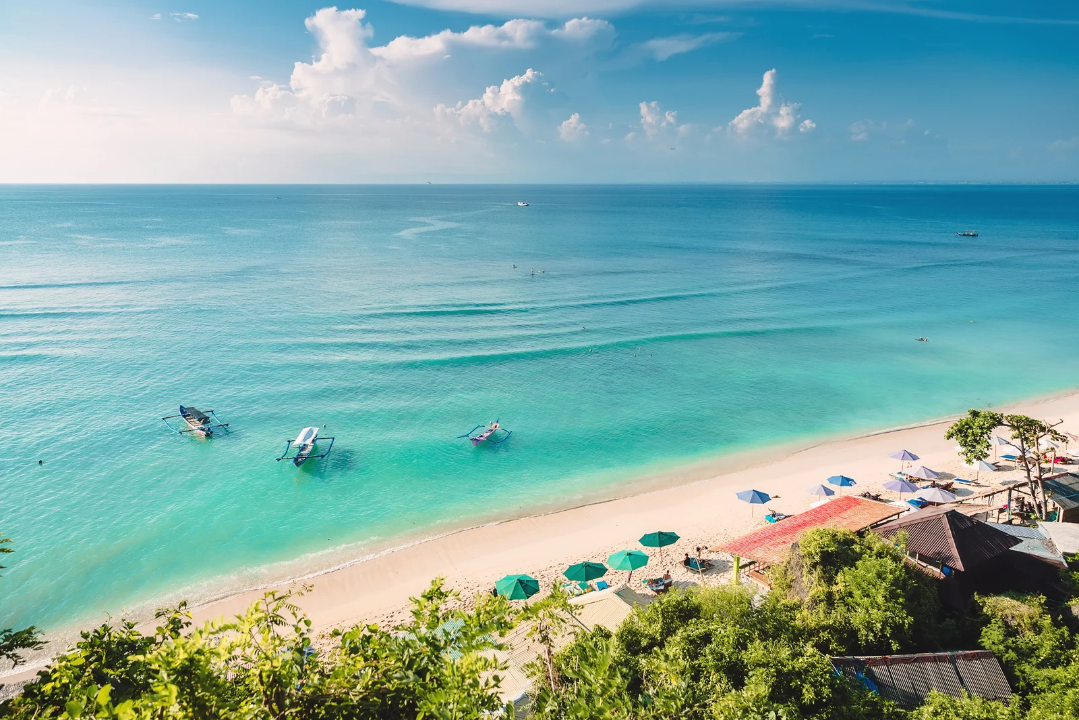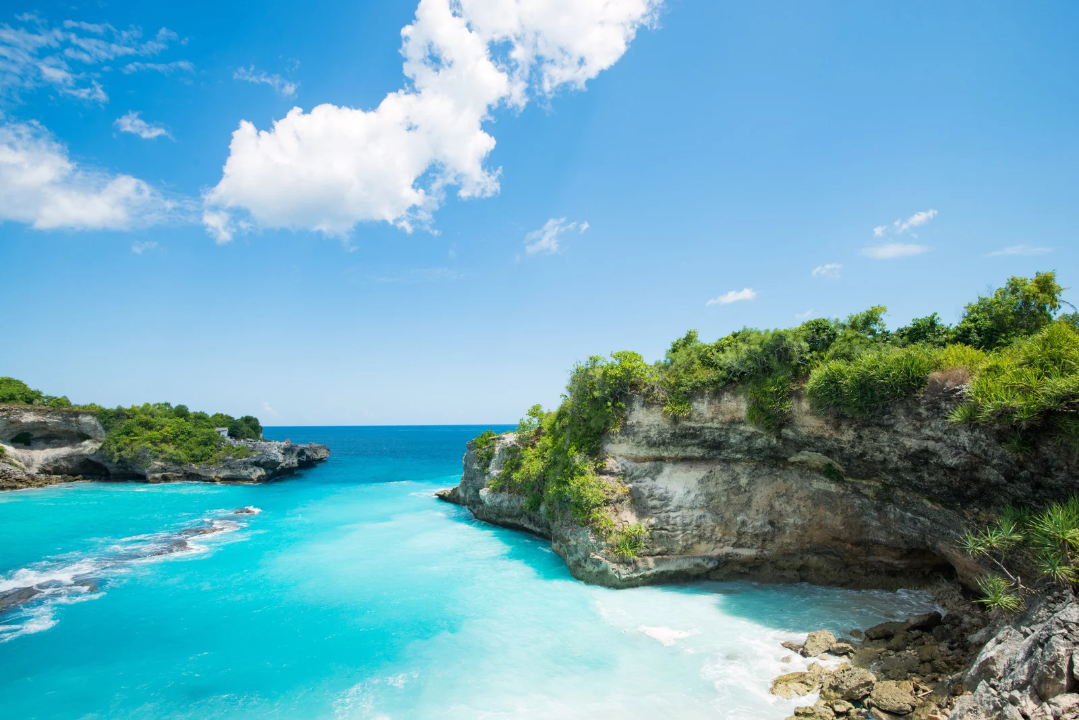
Komodo National Park is Indonesia’s island-of-dragons reserve, protecting Komodo, Rinca, Padar, and smaller islands off Flores in East Nusa Tenggara. The park matters because it shelters the Komodo dragon, the world’s largest living lizard, while its Coral Triangle waters support exceptional reefs, fish, manta rays, and turtles. This 2026 guide explains what to know before you go, the best season, access routes, top activities, safety tips, and a practical 3-day itinerary.
Key Facts About Komodo National Park
- Location: East Nusa Tenggara, Indonesia
- Opening Hours: 6:00 AM to 6:00 PM daily, including weekends and public holidays
- Park Area: The park covers about 1,733 km², including Komodo, Rinca, Padar, and smaller surrounding islands
- Entry Fees: International visitors should expect daily entry fees of around IDR 150,000–250,000
- Extra Charges: Additional fees often apply for snorkeling, diving, trekking, or island access
Komodo National Park is a UNESCO World Heritage Site and UNESCO Man and Biosphere Reserve, recognized for protecting one of the world’s rarest reptile habitats. The park is the only natural home of the Komodo dragon, and visitors entering dragon areas on Komodo or Rinca must follow licensed ranger guidance. Adult dragons can exceed 3 meters in length, making them the largest living lizards.
Marine life is another major reason to visit Komodo National Park. The park sits inside the Coral Triangle of Indonesia, where warm tropical waters support hundreds of coral species and more than 1,000 reef fish species. This combination of dragon habitat and marine biodiversity makes Komodo valuable for both wildlife trekking and underwater activities.
When Is The Best Time To Visit Komodo National Park
The best time to visit Komodo National Park is April to October, when the dry season brings calmer seas, clearer snorkeling visibility, and easier hiking on Padar and Rinca. Manta rays can appear year-round, although timing varies by site and plankton conditions.
From November to March, expect more rain, rougher seas, and possible boat disruption, especially around January and February. However, the islands become greener, prices can be lower, and southern sites such as Manta Alley Komodo may still deliver strong manta activity during plankton-rich periods.
How to Get to Komodo National Park
The fastest route is flying from Bali to Labuan Bajo, the main gateway to Komodo National Park. Direct flights between Bali’s Ngurah Rai International Airport and Komodo International Airport usually take about 1 hour 15 minutes, with multiple services on busy travel days.
Budget travellers can take the sea route from Bali, although this requires far more time. PELNI passenger ships connect Benoa Port with Labuan Bajo, and the crossing commonly takes about 30–36 hours depending on schedules and conditions.
A Komodo liveaboard from Lombok offers a scenic alternative, usually lasting 4 days and 3 nights with snorkeling, island stops, and dragon trekking built into the route. Once in Labuan Bajo, travellers enter the park by day speedboat, multi-day liveaboard, or private phinisi charter from Labuan Bajo Harbor.
Best Things To Do In Komodo National Park
Komodo National Park combines rare wildlife, volcanic island scenery, and Coral Triangle marine life in one compact route. These activities help travellers balance dragon trekking, viewpoint hikes, snorkeling, diving, manta encounters, sunset wildlife, and quieter water-based exploration across the park.
1. Trekking to See Komodo Dragons on Rinca and Komodo Islands
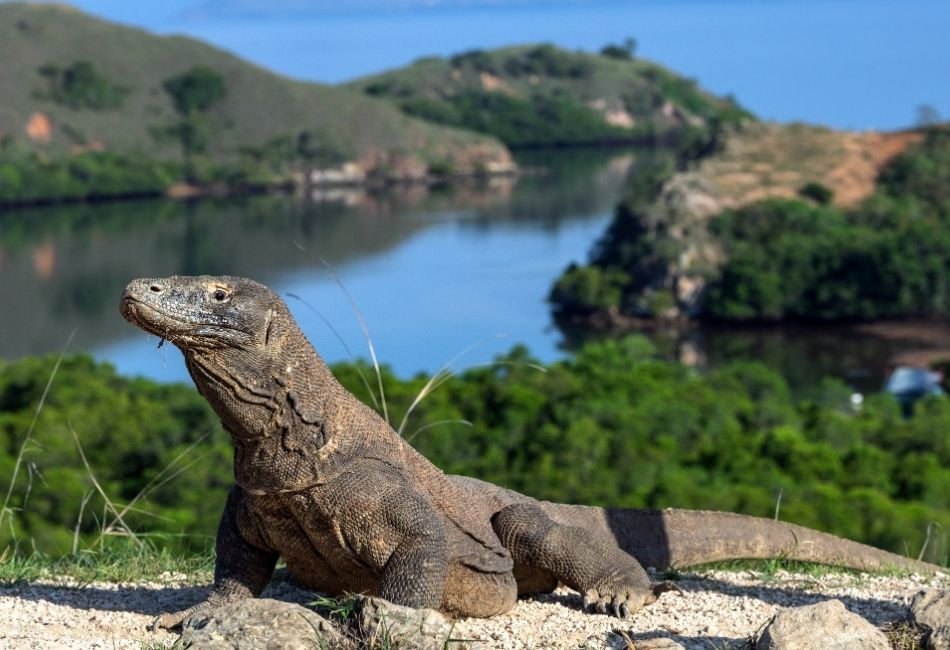
Rinca Island and Komodo Island are among the best places to see Komodo dragons because they offer guided treks through real dragon habitat inside the national park. With licensed rangers, visitors walk through savanna and monsoon forest to observe Komodo dragons in their natural environment. Morning treks are best because dragons are more active before the heat rises, while sturdy closed-toe shoes help on dry, uneven trails.
2. Hiking Padar Island for Panoramic Bay Views
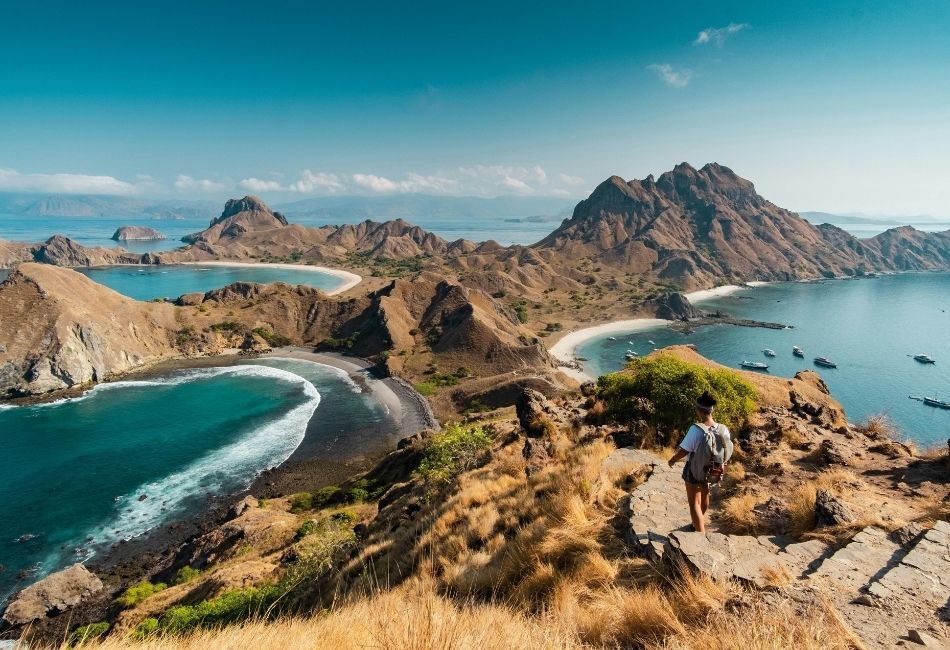
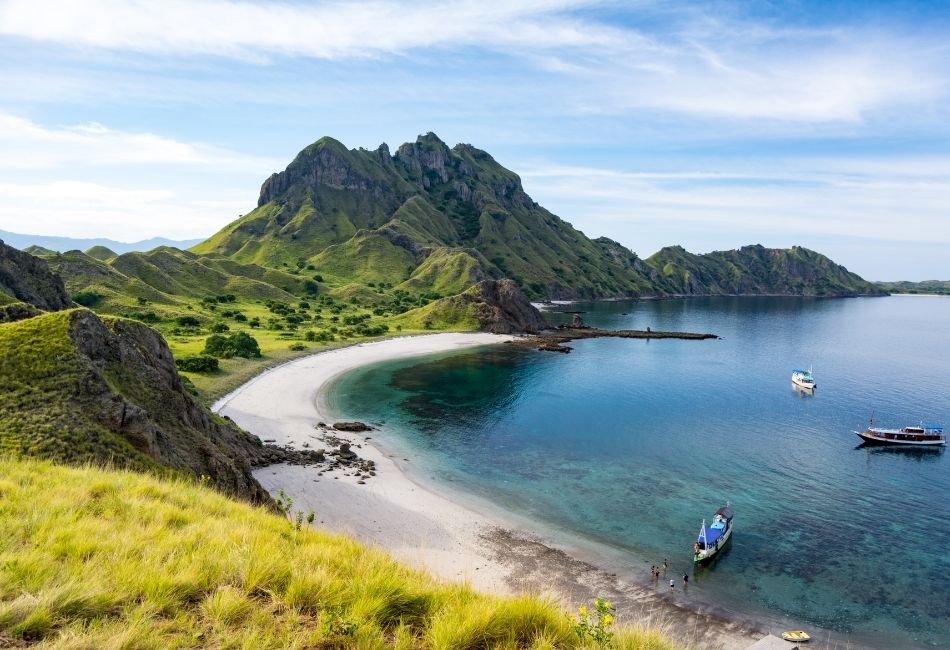
Padar Island is the park’s most iconic viewpoint, with volcanic ridges overlooking three curved bays in different shades of blue, white, and dark sand. The hike follows a built stair route, but the climb still feels steep under direct sun. Start around 5:00 AM for sunrise, cooler air, and softer photography light. Wear firm shoes, carry water, and avoid rushing the final steps.
3. Snorkeling at Pink Beach or Siaba Besar
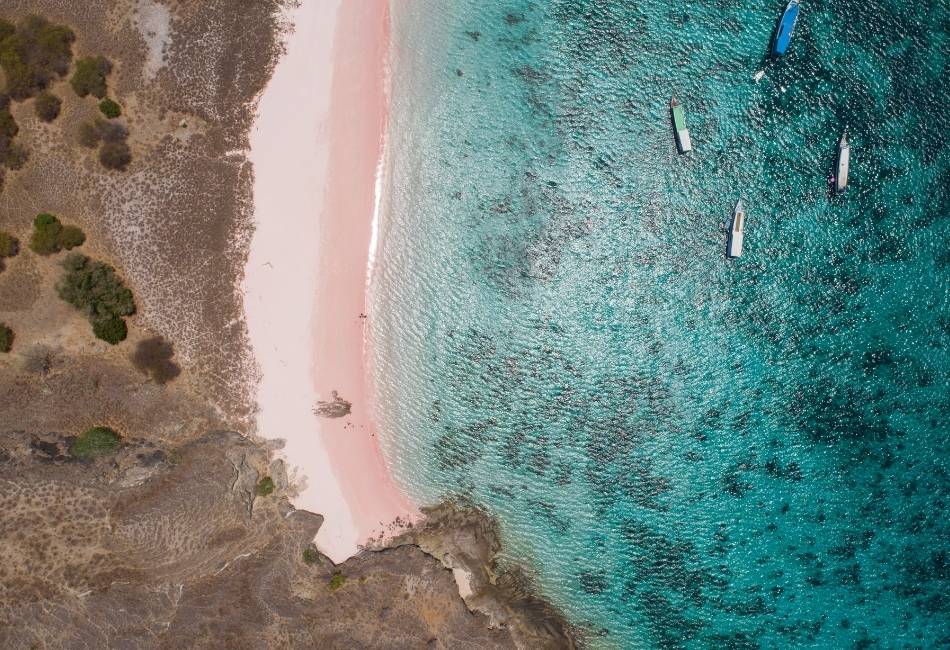
Snorkeling at Pink Beach Komodo or Siaba Besar is one of the most rewarding things to do in Komodo Island for mixed-skill groups because both sites offer shallow reef access by boat. Pink Beach has a rare rose-toned shoreline and easy coral entry, while Siaba Besar is known for calm water and sea turtle sightings around seagrass. Most day tours and liveaboards include one or both stops, depending on tides and route timing.
4. Diving at Batu Bolong, Castle Rock, and Crystal Rock
Diving in Komodo National Park is strongest at Batu Bolong, Castle Rock, and Crystal Rock, where currents feed coral walls, reef sharks, trevallies, and dense fish schools. These sites are not casual beginner dives because currents can shift quickly. Advanced divers with drift experience are best suited to these locations. Morning departures often provide better visibility, and access is usually through registered dive boats or liveaboards.
5. Swimming with Manta Rays at Manta Point and Manta Alley
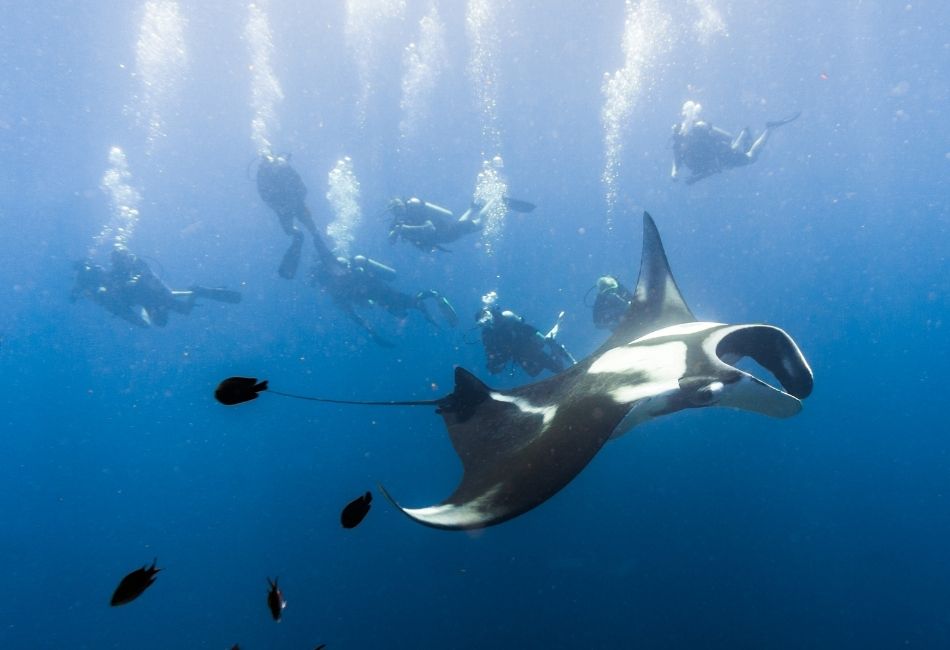
Manta Point Komodo and Manta Alley Komodo are feeding and cleaning areas where reef manta rays glide through current-rich water. Snorkelers and divers can both join, although conditions require close guide supervision. High tide and plankton-rich periods increase the chance of manta activity. Stay calm in the water, avoid chasing the animals, and keep a respectful distance so the encounter remains safe and low-impact.
6. Watching the Flying Fox Bat Migration at Kalong Island at Sunset
Kalong Island gives travellers one of Komodo National Park’s most atmospheric sunset experiences. Around dusk, thousands of flying foxes leave the mangrove forest and cross the sky toward Flores to feed. Most boats anchor nearby around 5:30 PM, allowing guests to watch from the deck without landing. This activity suits families, photographers, and liveaboard guests who want a wildlife moment without another hike.
7. Sea Kayaking at Gili Lawa Darat (Pirate Bay)
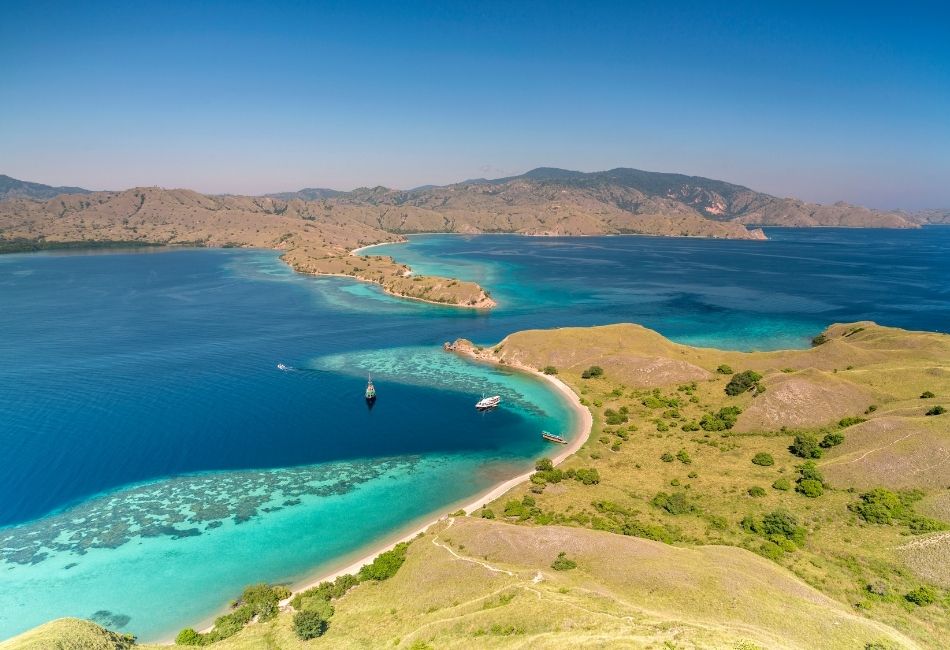
Gili Lawa Darat, often linked with Pirate Bay routes, gives travellers a quieter water-level view of Komodo’s volcanic coastline. Sea kayaking here works well in calm morning or late-afternoon conditions, when wind and glare are lower. Paddlers can move through sheltered bays, mangrove edges, and empty beaches without engine noise. Wear a life jacket, protect electronics in a dry bag, and follow guide instructions.
Suggested Itinerary to Visit Komodo National Park’s Highlights
A 3-day Komodo National Park itinerary is the most practical way to experience the park’s main highlights without rushing. Travellers should spend one night in Labuan Bajo before departure because most boat tours leave early in the morning. This schedule gives enough time for dragon trekking, island hikes, snorkeling, manta ray encounters, and sunset wildlife viewing.
- Day 1: Visit Kelor Island for a short hike and beach time, then continue to Rinca Island for a guided Komodo dragon trek. In the evening, anchor near Kalong Island to watch the flying fox migration at sunset.
- Day 2: Hike Padar Island before sunrise for panoramic bay views, then snorkel or relax at Pink Beach. After lunch, continue to Manta Point for a chance to swim with manta rays when tide and current conditions are suitable.
- Day 3: Snorkel with sea turtles at Siaba Besar, then stop at Kanawa Island for kayaking, beach time, or a final swim. Return to Labuan Bajo in the afternoon for an overnight stay or onward flight.
Essential Tips Before Visiting Komodo National Park
Komodo National Park is a protected UNESCO site, not a typical resort destination. Rules, permits, wildlife safety, and boat logistics can affect every travel day, so planning ahead prevents disruption and supports a respectful visit.
- Bring cash in IDR: There are no ATMs on the Komodo Islands, so withdraw enough in Labuan Bajo for park fees, ranger tips, and small purchases.
- Book verified boats: Choose operators with clear safety standards, working life jackets, emergency procedures, and reliable marine safety records.
- Follow park rangers: Komodo dragons are wild predators, so always stay with a licensed ranger on Komodo or Rinca Island.
- Pack reef-safe sunscreen: Use mineral-based sunscreen to protect coral reefs, and bring breathable clothing plus closed-toe shoes for hikes.
- Confirm tour permits: Ask whether park entry, snorkeling, diving, trekking, and island fees are included in your Komodo boat tour price.
- Consult a doctor: Check malaria prevention advice and recommended vaccines such as Hepatitis A, Hepatitis B, and Typhoid before traveling.
- Check park closures: Confirm the latest island access rules with the official park website or your tour operator before finalizing your trip.
Ready To Explore Komodo National Park with Indonesia Impression Tour?
Planning a Komodo National Park tour involves flights, boats, permits, ranger access, seasonal timing, and safety decisions. Indonesia Impression Tour can simplify the process by designing a custom Komodo itinerary around your travel style, budget, and dates.
Travellers can choose focused packages such as Rinca and Komodo Island Explore, a deeper Liveaboard Komodo Adventure, or a wider Indonesia route including the Sumbawa Whale Shark Tour. Contact Indonesia Impression Tour to build a safe, well-paced journey through Indonesia’s island of dragons.
Explore more: