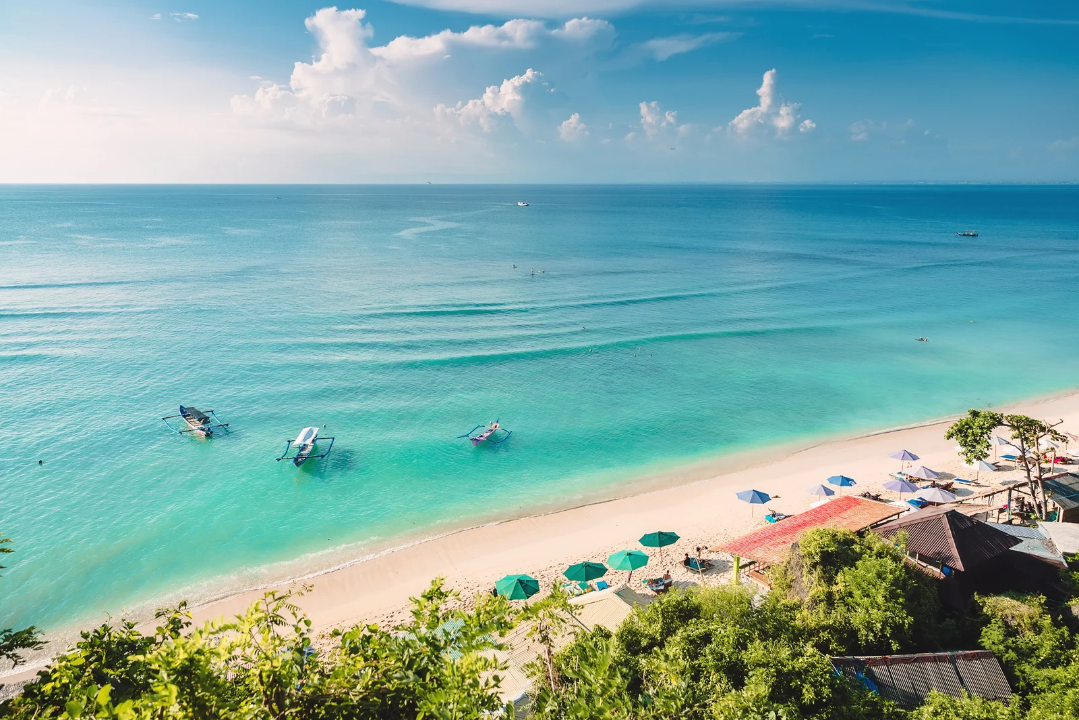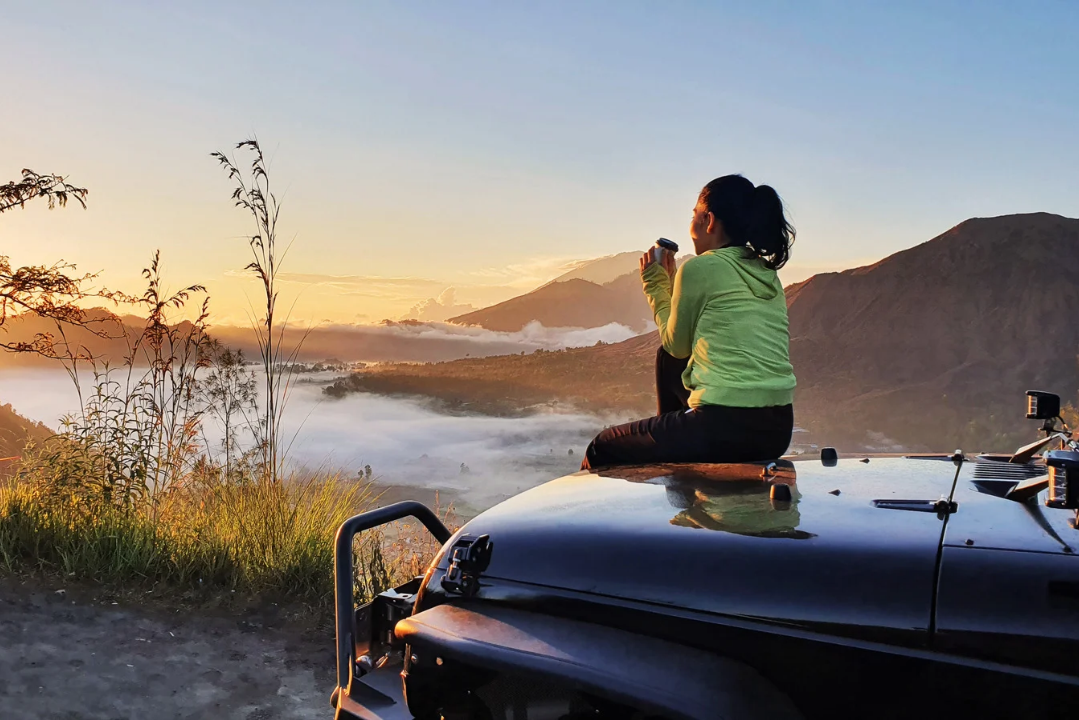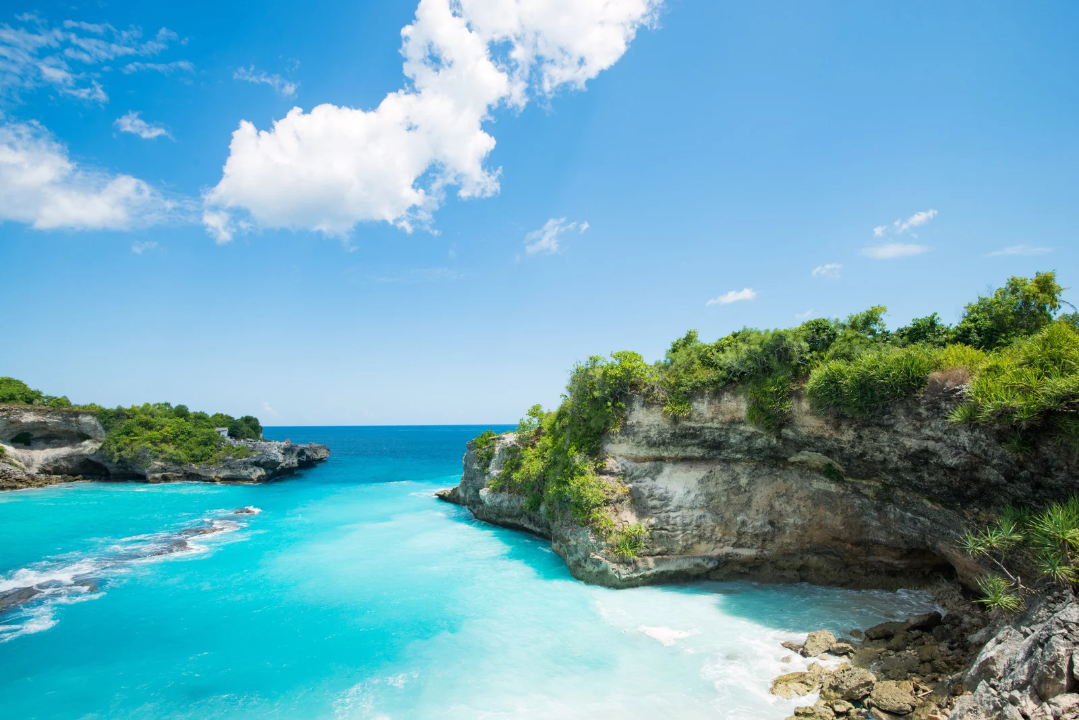
The best things to do in the Gili Islands range from snorkelling with sea turtles and scuba diving to underwater art, cycling, island hopping and sunset evenings. Most experiences centre on the sea, but Gili Trawangan, Gili Meno and Gili Air each offer a distinctly different way to spend your time.
Gili Trawangan has the widest activity choice, Gili Meno is designed for a quieter stay, while Gili Air sits comfortably between the two. Choosing the right island first makes it much easier to plan the activities, accommodation and length of stay that follow.
Which Gili Island Is Best for You?
The three islands share many of the same marine environments, so the main difference is not simply what you can see underwater. Their atmosphere, activity range and evening experience are what usually determine which island suits a trip best.
| Island | Best Activities | Best For |
| Gili Trawangan | Scuba diving, turtle snorkelling, freediving, cycling, Gili Trawangan Hill, night market, conservation activities and sunset | First-time visitors, divers, solo travellers and travellers wanting the widest activity choice |
| Gili Meno | Nest underwater sculptures, reef and turtle snorkelling, coastal walks and quiet evenings | Couples, honeymooners, snorkellers and travellers looking for the quietest island |
| Gili Air | Shore snorkelling, scuba diving, cooking classes, yoga and wellness, paddleboarding, sunrise and sunset | Couples, longer stays and travellers wanting a balance of activities and relaxation |
Choose Gili Trawangan when variety matters most, Gili Meno when quiet is part of the reason for travelling, and Gili Air when you want water activities without a strong nightlife scene. You can still visit the other islands by boat, so choosing one as your main base does not mean limiting the whole trip to a single Gili.
Travellers planning a wider Lombok holiday often leave the islands until the slower part of the journey. A Lombok and Gili Islands journey shows how inland landscapes and local experiences can transition naturally into several days beside the sea.
Things to Do in Gili Trawangan
Gili Trawangan has the broadest selection of things to do across the three Gili Islands. It works particularly well when diving and snorkelling are priorities but you also want food, cycling, viewpoints and evening activities within the same stay.
1. Go Scuba Diving
Scuba diving is one of the main reasons travellers choose Gili Trawangan, especially when learning to dive for the first time. The island has numerous dive centres and convenient boat access to sites around the wider Gili area.
- Best for: Beginner divers, certification courses and experienced divers
- Location: Dive centres on Gili Trawangan with sites around all three Gilis
- Best time: Morning and daytime departures when marine conditions are suitable
- Main experience: Diving tropical reefs, walls and marine habitats where turtles, reef sharks and schooling fish may be encountered
Sites commonly visited from the island include Shark Point, Halik, Deep Turbo, Meno Wall and Turtle Heaven. Actual site selection should depend on experience level, current and conditions rather than a fixed checklist.
If you are completing a certification, allow several days rather than compressing the course into a short stay. Qualified divers usually have more flexibility and can mix individual dives with the island’s other activities.
2. Snorkel with Sea Turtles
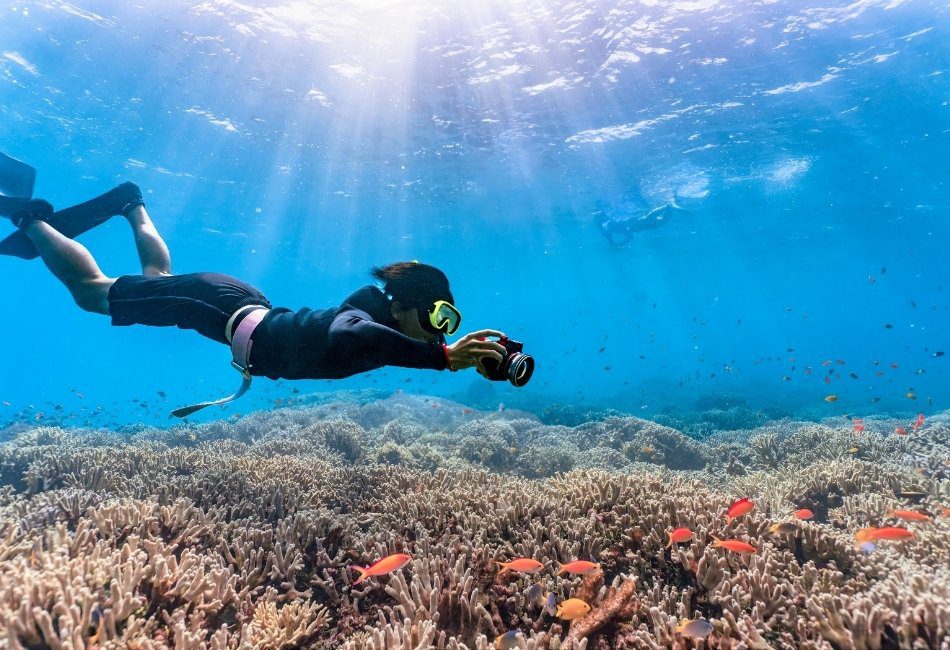
Sea turtles are among the wildlife most closely associated with the Gili Islands, and Gili Trawangan offers both independent and organised ways to look for them. Reef and seagrass habitats around the islands mean snorkellers can experience the marine environment without needing scuba equipment.
- Best for: First-time visitors, wildlife enthusiasts and recreational snorkellers
- Location: North and north-east Gili Trawangan, plus sites around Meno and Air
- Best time: When visibility and currents are suitable, often earlier in the day
- Main experience: Snorkelling over reef and seagrass habitat with the possibility of observing sea turtles and tropical fish
Shore snorkelling gives you more flexibility, while boat trips make it easier to combine several sites in one outing. Keep several metres away from turtles, never touch or chase them and leave a clear route to the surface.
3. Learn Freediving
Freediving provides a more technical progression for travellers who already enjoy snorkelling but do not necessarily want to scuba dive. Training focuses on breath control, equalisation, efficient movement and gradually becoming more comfortable underwater.
- Best for: Confident swimmers, snorkellers and active travellers
- Location: Freediving schools and open-water training areas around Gili Trawangan
- Best time: During suitable sea conditions according to course schedules
- Main experience: Learning controlled breath-hold diving and underwater movement with professional instruction
Introductory sessions provide a useful first experience without requiring a multi-day commitment. Travellers wanting formal certification should allow enough time for theory, skills training and open-water practice.
4. Cycle Around Gili Trawangan
Cycling is one of the simplest ways to see how different Gili T feels beyond the harbour and central restaurant area. The north and west become progressively quieter, making a bicycle useful for finding beaches and sunset spots you may otherwise miss.
- Best for: Independent travellers, couples and first-time visitors
- Location: Coastal routes around Gili Trawangan, particularly the north and west
- Best time: Morning or late afternoon when temperatures are lower
- Main experience: Exploring beaches, quieter neighbourhoods and different sides of the island at your own pace
A full circuit does not need to become a timed activity, so allow a few hours for stops along the way. Several stretches are sandy enough that pushing the bicycle is easier than riding.
5. Walk Up Gili Trawangan Hill
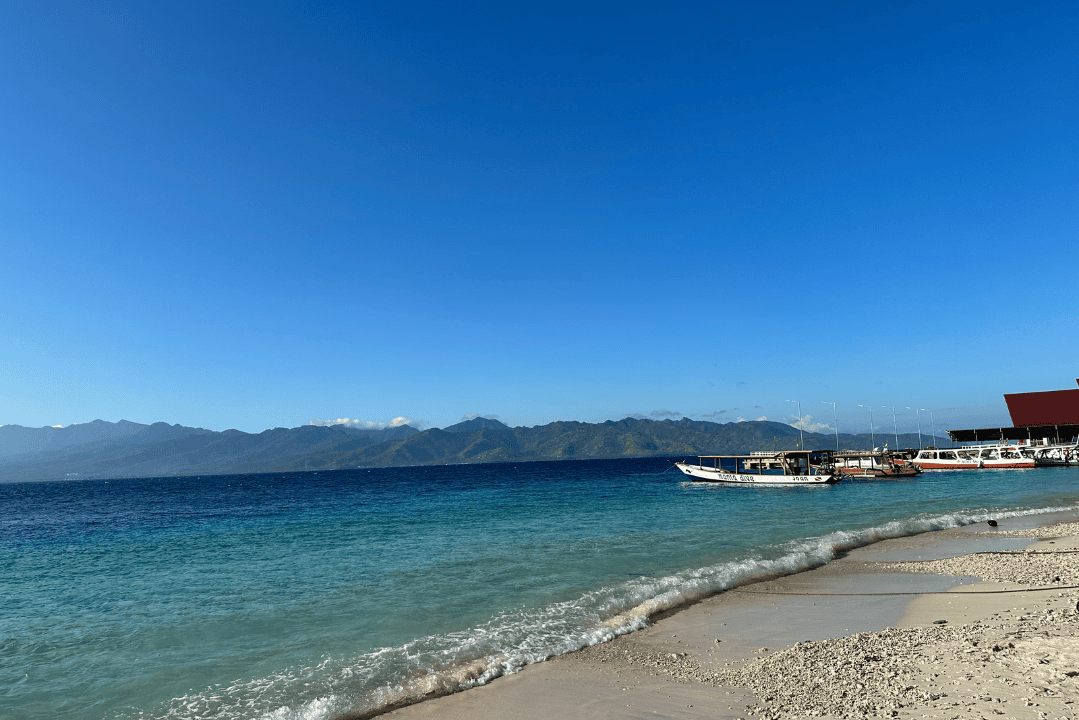
Gili Trawangan Hill provides one of the few elevated viewpoints across the otherwise low-lying islands. The short walk creates a useful break from beach and marine activities while giving a wider perspective over the surrounding sea.
- Best for: View seekers, photographers and travellers wanting a short walk
- Location: Southern Gili Trawangan
- Best time: Late afternoon before sunset
- Main experience: Elevated views across the island and surrounding waters towards Lombok, Bali and the neighbouring Gilis
This is a short walk rather than a dedicated hiking excursion, so it can easily be combined with other activities on the same day. Comfortable footwear is useful because the route differs from the mostly flat coastal paths around the rest of Gili T.
6. Eat at Gili Trawangan Night Market
The night market gives Gili Trawangan an evening experience that is more food-focused than its beach bars and restaurants. It is particularly useful when you want to sample several Indonesian dishes in an informal setting rather than sit down for a conventional restaurant meal.
- Best for: Food-focused travellers, groups and casual evening dining
- Location: Central Gili Trawangan near the harbour
- Best time: Evening when the food stalls are operating
- Main experience: Sampling grilled seafood, rice dishes, satay and Indonesian snacks from local stalls
Walk around the market before deciding what to order because the selection varies between stalls. Treat it as dinner rather than a quick sightseeing stop if you want the experience to feel worthwhile.
7. Join a Reef or Beach Conservation Activity
Marine conservation activities provide useful context for understanding how tourism affects a small island ecosystem. Established programmes around Gili Trawangan can connect reef restoration, beach waste and responsible visitor behaviour with the environment travellers have been snorkelling and diving in.
- Best for: Responsible travellers, divers and visitors interested in marine conservation
- Location: Gili Trawangan through established local conservation organisations
- Best time: According to scheduled beach clean-ups, reef activities or educational programmes
- Main experience: Learning about reef and island conservation while contributing to organised environmental activities
Choose programmes that clearly explain their environmental work rather than experiences designed primarily for photographs. Conservation becomes more meaningful when the activity helps visitors understand the relationship between tourism, waste and reef health.
8. Watch Sunset and Enjoy the Evening
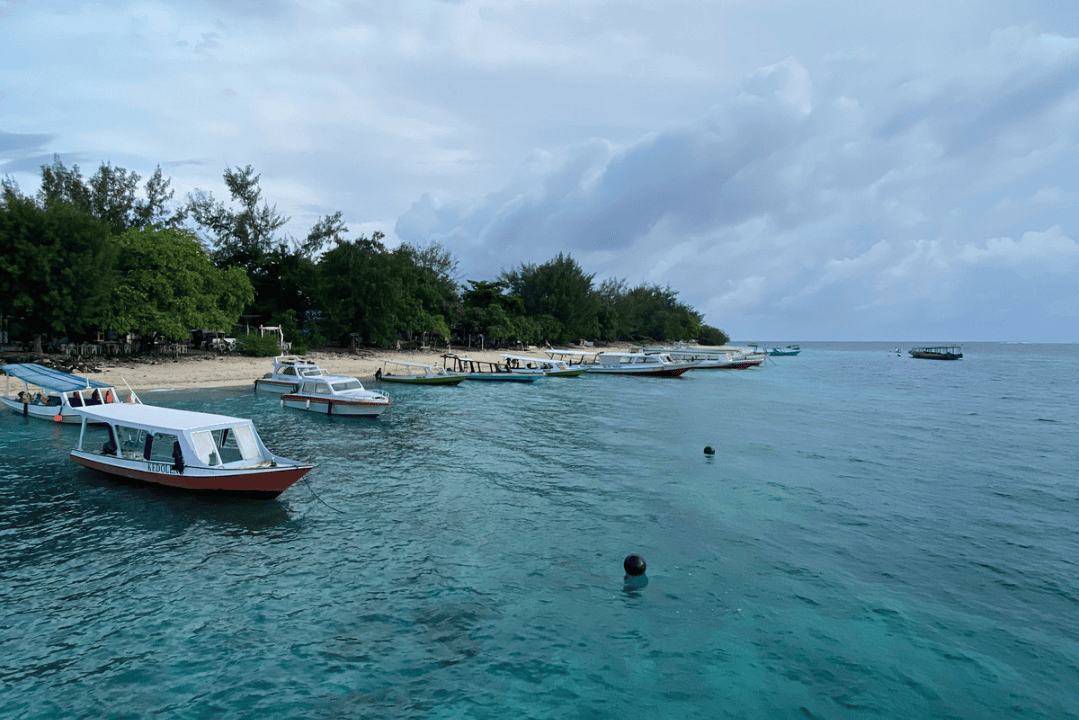
Gili Trawangan’s west coast becomes the focus of the island in the late afternoon as travellers gather for sunset. The most popular beach bars and swings become busy, but quieter sections farther along the coast provide much the same horizon with more space.
- Best for: Couples, social travellers and anyone looking for a relaxed evening
- Location: West and north-west Gili Trawangan
- Best time: Late afternoon through sunset
- Main experience: Watching sunset towards Bali before choosing between a quiet beach evening or Gili T’s nightlife
After dark, Gili Trawangan has the strongest nightlife of the three islands. Staying farther north or west provides a much calmer experience if bars and late evenings are not a priority.
Things to Do in Gili Meno
Gili Meno has fewer organised activities than its neighbours, but this is central to its appeal rather than a disadvantage. The island is best experienced through snorkelling, underwater art, walking and a deliberately slower pace.
9. Snorkel at the Nest Underwater Sculptures
The Nest is Gili Meno’s most recognisable attraction and one of the most distinctive underwater experiences in the Gili Islands. Created by Jason deCaires Taylor in 2017, the installation consists of 48 life-size figures arranged in a circular formation beneath the surface.
- Best for: Snorkellers, freedivers, divers and underwater photography
- Location: Off the west coast of Gili Meno
- Best time: Outside the busiest island-hopping periods
- Main experience: Swimming above and around submerged human figures gradually becoming integrated into the marine environment
The sculptures sit at roughly four metres depth, making them accessible without scuba equipment. Many island-hopping trips stop at the installation, so timing can make a significant difference to how crowded the site feels.
10. Snorkel Meno’s Reefs and Look for Turtles
Natural reef snorkelling should remain part of a Meno visit rather than focusing only on the Nest sculptures. Reef and seagrass habitats around the island support tropical marine life including turtles, although sightings always depend on natural behaviour.
- Best for: Wildlife enthusiasts, couples and travellers wanting relaxed snorkelling
- Location: Reef and seagrass areas around Gili Meno
- Best time: When visibility and current conditions are suitable
- Main experience: Exploring natural reefs and looking for turtles and tropical fish at your own pace
Staying overnight on Meno gives you the advantage of entering the water without following a multi-stop tour schedule. Ask locally about suitable access points because currents and conditions can vary around the island.
11. Walk Around Gili Meno
Walking is one of the best ways to experience Meno because the island is compact and considerably quieter than Gili Trawangan. Following the coast and cutting through the interior reveals a side of the island that day visitors often miss.
- Best for: Couples, slow travellers and visitors who enjoy exploring on foot
- Location: Coastal and inland paths around Gili Meno
- Best time: Early morning or late afternoon
- Main experience: Exploring quiet shoreline and inland areas while experiencing the island at an unhurried pace
There is little need for a formal walking route or sightseeing itinerary. The appeal comes from moving slowly and seeing how quickly accommodation areas give way to quieter stretches.
12. Enjoy a Quiet Evening and Stargazing
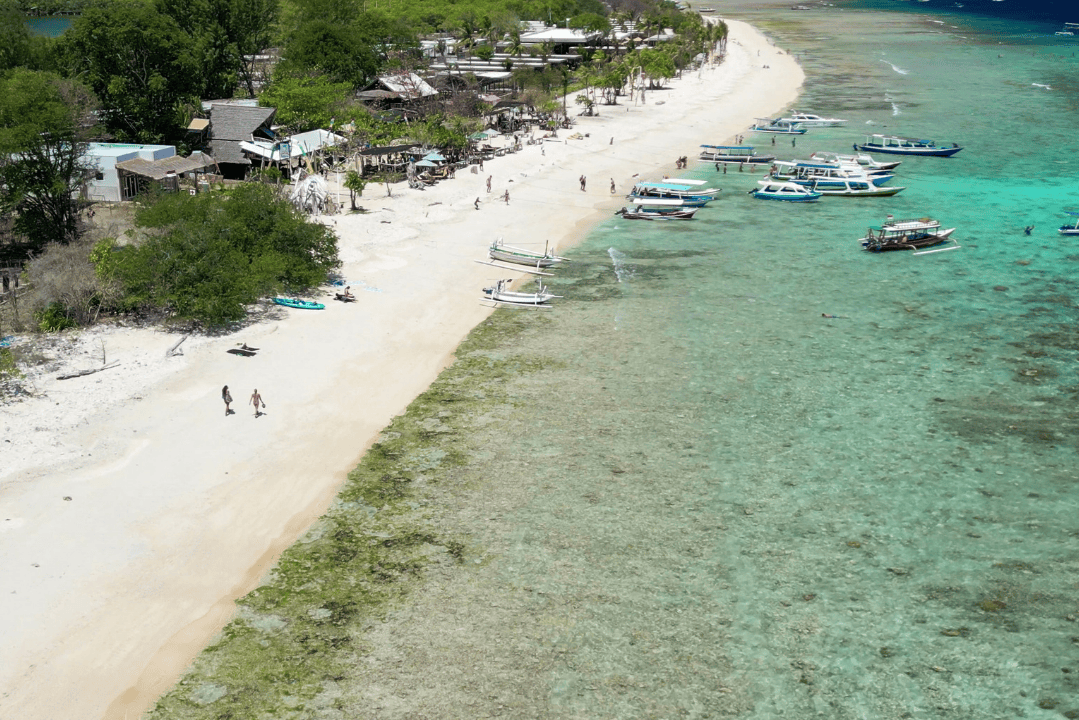
Evenings on Gili Meno are noticeably quieter than on either Trawangan or Air, which is one of the main reasons travellers choose to stay overnight. Once day visitors leave, dinner and a walk along the beach often become the natural end to the day.
- Best for: Couples, honeymooners and travellers seeking quiet
- Location: Beachfront and quieter accommodation areas around Gili Meno
- Best time: After sunset, particularly on clear evenings
- Main experience: A slow evening centred on dinner, beach walks and quieter surroundings rather than nightlife
This slower rhythm works particularly well after more active travel around Lombok. Travellers looking for a similar contrast can consider a Lombok and Gili honeymoon, where the island stay becomes the relaxed portion of a broader journey.
Things to Do in Gili Air
Gili Air provides the strongest middle ground between Trawangan’s activity range and Meno’s quieter atmosphere. It works particularly well for travellers who want regular access to the water while also leaving room for food, wellness and slower days.
13. Snorkel Straight from the Beach
One of Gili Air’s main advantages is being able to snorkel without arranging a boat trip every time you want to enter the water. Reef and seagrass areas sit close enough to parts of the coastline for independent sessions when conditions are suitable.
- Best for: Independent snorkellers, couples and longer stays
- Location: Suitable sections of the eastern and northern coastline
- Best time: When visibility, tide and currents are appropriate
- Main experience: Entering directly from the beach to explore reef and seagrass habitat at your own pace
Ask locally about current conditions before choosing an entry point because calm-looking water does not always mean weak currents. Use fins when swimming farther offshore and avoid standing on coral in shallow areas.
14. Go Diving from a Quieter Base
Gili Air gives divers access to many of the same wider Gili sites while offering a more relaxed atmosphere on land. The main difference from staying on Gili Trawangan is therefore what happens before and after the dive rather than the reefs themselves.
- Best for: Divers who prefer a quieter island base
- Location: Dive centres on Gili Air with sites around the wider Gili area
- Best time: Morning and daytime departures according to marine conditions
- Main experience: Diving tropical reefs before returning to a calmer island with relaxed restaurants and evenings
Choose Gili Trawangan when a larger dive-school and social scene matter most. Choose Gili Air when diving is one part of a broader holiday rather than the defining reason for the whole stay.
15. Take an Indonesian Cooking Class
A cooking class provides a useful change of pace after several days centred on beaches and water activities. Hands-on sessions can also help travellers understand Indonesian flavours and ingredients beyond simply ordering dishes in restaurants.
- Best for: Couples, families, solo travellers and longer stays
- Location: Cooking schools on Gili Air
- Best time: Late morning or afternoon
- Main experience: Preparing Indonesian dishes with guided instruction before eating the finished meal
The activity requires no specialist experience and works well for travellers with different interests or swimming abilities. It is also useful when you want part of the itinerary to engage with Indonesian food rather than remain entirely marine-focused.
16. Join a Yoga or Wellness Session
Yoga and wellness experiences fit naturally with Gili Air’s slower travel style. They work best as part of the island’s daily rhythm rather than as headline attractions that require an entire day.
- Best for: Couples, wellness travellers and longer stays
- Location: Yoga studios, spas and wellness venues around Gili Air
- Best time: Morning for yoga and later in the day for spa treatments
- Main experience: Combining gentle movement or relaxation treatments with snorkelling, diving and beach time
A day might begin with yoga, continue with time in the water and finish with a massage or sunset. This flexibility is one reason Gili Air works particularly well when staying for several nights.
17. Paddleboard or Kayak
Paddleboarding and kayaking provide a low-intensity way to stay active while seeing Gili Air from the water. Short sessions can fit easily around snorkelling, meals and other activities without requiring a full excursion.
- Best for: Couples, casual water-sports travellers and independent visitors
- Location: Suitable coastal areas around Gili Air
- Best time: Calmer periods with light wind and manageable currents
- Main experience: Paddling along the coastline while enjoying the sea without joining a boat tour
The channels between the Gili Islands can carry stronger currents than expected. Stay relatively close to shore unless conditions and local guidance make a longer route appropriate.
18. Watch Sunrise and Sunset
Gili Air’s compact size makes it possible to experience both sunrise and sunset without travelling far. The east faces Lombok and Mount Rinjani, while the west and north-west naturally work better for evening views.
- Best for: Couples, photographers and travellers choosing accommodation around views
- Location: East coast for sunrise; west and north-west coast for sunset
- Best time: Dawn or late afternoon
- Main experience: Watching the day begin towards Lombok and end across the sea from the opposite coast
This geography is useful when deciding where to stay rather than simply creating another sightseeing stop. Early risers may prefer the east, while travellers who value sunset and evening dining may find the west more convenient.
Gili Islands Island Hopping
Island hopping is worthwhile for first-time visitors because it allows you to compare the three islands without changing hotels repeatedly. The main benefit is experiencing different marine sites and island atmospheres while keeping one accommodation base.
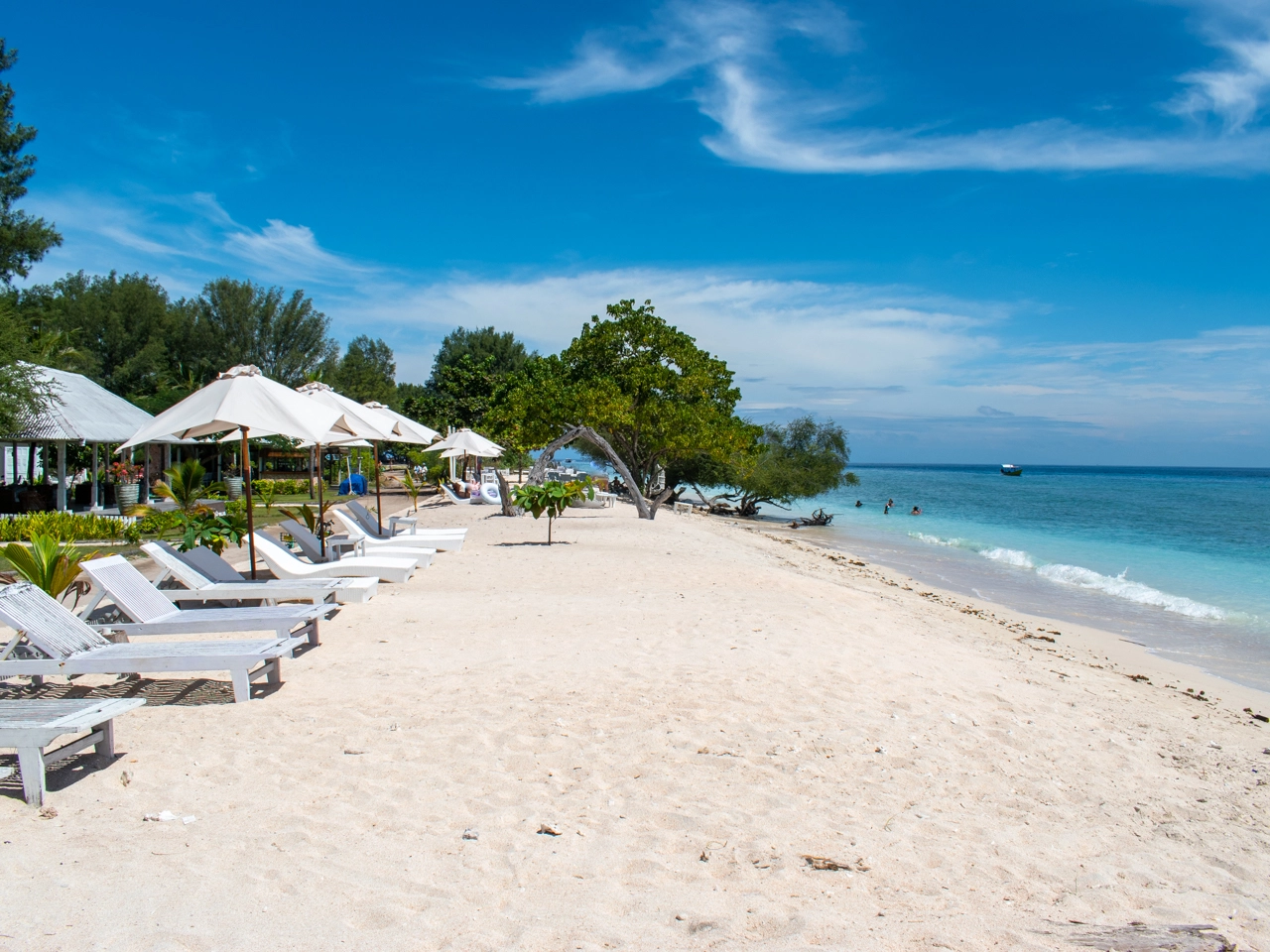
Changing hotels makes sense only when you genuinely want to experience two different island atmospheres. Otherwise, a snorkelling or island-hopping excursion usually provides enough variety without spending unnecessary time packing and transferring luggage.
Travellers staying on mainland Lombok can also explore the islands without changing accommodation. A Gili Islands day trip works particularly well when snorkelling and island hopping matter more than seeing each island after dark.
How Many Days Do You Need in the Gili Islands?
For most first-time visitors, three to four nights provides enough time for several activities without removing the slower pace that makes the islands enjoyable. Shorter stays work as beach extensions, while longer visits make more sense for diving courses or intentionally slow travel.
- 2 nights: Short beach and snorkelling extension
- 3–4 nights: Best balance of activities and downtime
- 5+ nights: Better for diving, wellness or slower travel
- One week: Suitable when the Gilis are a major part of the holiday
Avoid filling every day with organised excursions because unstructured time is part of the destination experience. A snorkelling session, cycle ride or sunset often works better when it is not squeezed between several other bookings.
How to Get to the Gili Islands
The Gili Islands are reached by boat from either Bali or Lombok, with Lombok offering the shorter crossing. Travellers coming from Bali should consider both the road journey to the departure port and the time spent at sea.
| Departure Point | Typical Crossing | Suitable For |
| Amed, Bali | Around 1.5–2 hours | East Bali stays |
| Padangbai, Bali | Around 2–3 hours | Broad choice of departures |
| Serangan, Bali | Around 2.5–3 hours | South Bali stays |
| Bangsal, Lombok | Around 20–40 minutes | Public connections |
| Teluk Nare / Teluk Kodek | Around 15–30 minutes | Private transfers |
Treat these timings as planning estimates because vessel type, operator and sea conditions affect actual journey time. Comparing the full door-to-door journey is more useful than choosing a route only because it advertises a shorter boat crossing.
Avoid planning a very tight flight or long-distance connection immediately after a boat journey. Marine conditions can affect departure and arrival times even during otherwise favourable travel periods.
Best Time to Visit the Gili Islands
The islands can be visited throughout the year, although rainfall, visitor numbers and marine conditions vary by season. The drier part of the year generally provides more predictable conditions for outdoor activities, while July and August are usually the busiest months.
| Period | General Pattern | Travel Consideration |
| April–June | Generally drier | Strong balance of conditions and crowds |
| July–August | Peak dry season | Busiest travel period |
| September–October | Generally dry | Often quieter than peak season |
| November–March | Wetter and more variable | Sea conditions can be less predictable |
For diving and snorkelling, daily conditions matter more than simply choosing a particular month. Visibility, currents and waves can vary between nearby sites even during the generally drier season.
How to Combine the Gili Islands with Lombok
The Gili Islands work particularly well as the slower end of a wider Lombok trip because the mainland offers landscapes and cultural experiences that the small islands cannot. Combining both creates more variety than spending an entire holiday moving between similar beach environments.
Useful mainland additions include:
- Tetebatu: Rice terraces and rural landscapes
- North Lombok: Waterfalls and mountain scenery
- Sasak villages: Local culture, weaving and traditional architecture
- South Lombok: Beaches, surf and coastal landscapes
A simple first-time route can move through inland or southern Lombok before finishing with three or four nights in the Gilis. This creates a natural progression from more active exploration towards reefs, swimming and slower beach days.
Many travellers follow a similar rhythm in a Lombok and Gili Islands itinerary. Mainland Lombok provides the more active part of the journey, while the islands become the place to slow down before travelling onward.
Where to Stay in the Gili Islands
The best place to stay in the Gili Islands depends on whether you prefer easy access to activities, a quiet romantic escape or a slower wellness-focused stay. Gili Trawangan offers the widest hotel choice, Gili Meno suits travellers looking for privacy, while Gili Air provides a relaxed balance of beach time and activities.
| Island | Best Stay Style | Recommended Hotels & Resorts |
| Gili Trawangan | Activities & Convenience | Pearl of Trawangan, Vila Ombak |
| Luxury & Relaxation | Noema Resort Gili Trawangan, Cocana Resorts Gili Trawangan, Kuno Villas | |
| Gili Meno | Quiet & Romantic | Seri Resort Gili Meno |
| Snorkelling & Beach Stay | Seri Resort Gili Meno | |
| Gili Air | Wellness & Slow Travel | PinkCoco Gili Air |
| Private Villa Stay | Gili Air Sanctuary Villa and Resort |
For more accommodation across the islands and mainland Lombok, explore more about Lombok & Gili hotel collection.
Explore the Gili Islands with Indonesia Impression Tour
The Gili Islands are easy to enjoy on their own, but they work especially well as part of a wider Lombok and Gili Islands itinerary. Combining mainland Lombok with a few slower days on Gili Trawangan, Gili Meno or Gili Air gives travellers a more varied journey of beaches, snorkelling, local culture and island landscapes.
As an Indonesia-based destination management company and tour operator, Indonesia Impression Tour can arrange accommodation, private transfers, boat connections and local experiences across Lombok and the Gilis. Travellers looking for a longer journey can explore our Lombok Gili Island Explore, which combines Lombok’s cultural and natural landscapes with time on Gili Trawangan. For a shorter experience, the Lombok Gili Island Full Day Tour includes snorkelling, turtle spotting and time to relax around the islands.
Whether you want to build your trip around snorkelling and diving, a relaxed beach stay or a broader Lombok adventure, our Lombok and Gili tour collection offers different itineraries and travel styles to help you find the right fit.
Explore Lombok & Gili Islands Tours
FAQ About Things to Do in the Gili Islands
What Are the Best Things to Do in the Gili Islands?
The best things to do are scuba diving, turtle snorkelling, island hopping, cycling, freediving, visiting Gili Meno’s Nest sculptures and enjoying sunset evenings.
Which Gili Island Has the Most Things to Do?
Gili Trawangan has the widest range of activities, restaurants and nightlife.
Which Gili Island Is Best for Snorkelling?
Gili Meno is best for combining reef snorkelling with the Nest sculptures, while Gili Air is convenient for shore snorkelling.
Which Gili Island Is Best for First-Time Visitors?
Gili Trawangan is the easiest choice for first-time visitors who want the widest activity and dining selection.
Can You See Turtles in the Gili Islands?
Yes. Sea turtles are regularly encountered while snorkelling and diving, although sightings are never guaranteed.
Is Gili Meno Worth Visiting?
Yes. Gili Meno is best for snorkelling, the Nest sculptures and a quieter island atmosphere.
Is Gili Trawangan Only a Party Island?
No. Gili Trawangan is also the main hub for diving, snorkelling, freediving and cycling.
Is Gili Air Worth Staying On?
Yes. Gili Air is a strong choice for snorkelling, diving, wellness and a more relaxed island stay.
How Many Days Do You Need in the Gili Islands?
Three to four nights is enough for most first-time visitors. Stay longer for diving courses or slower travel.