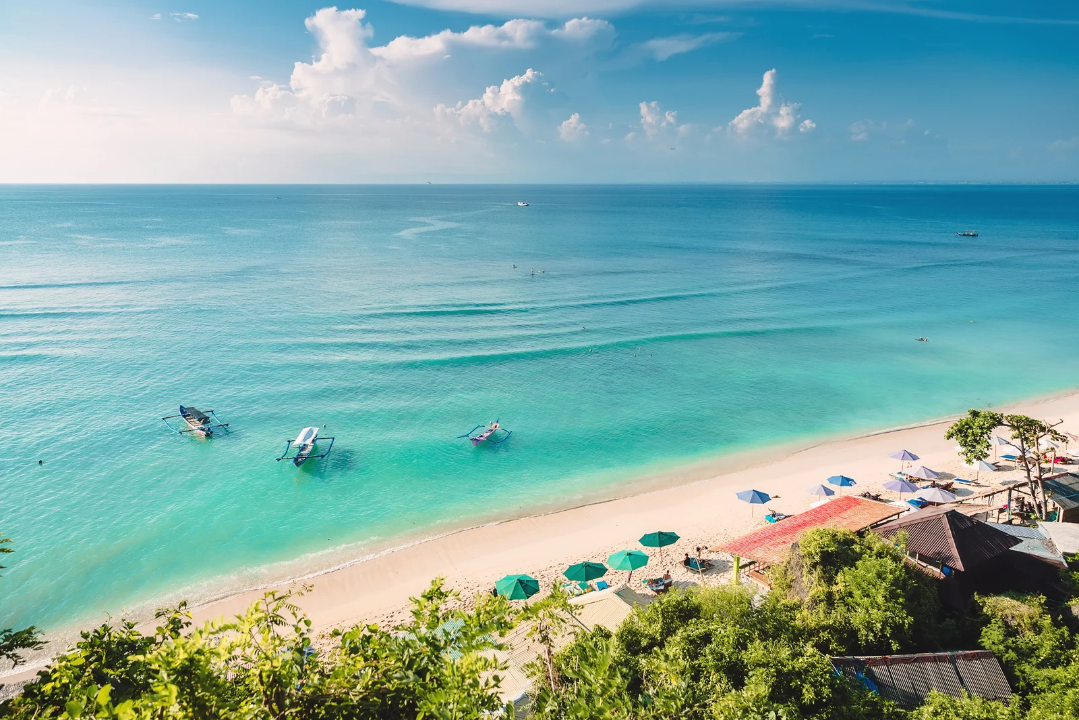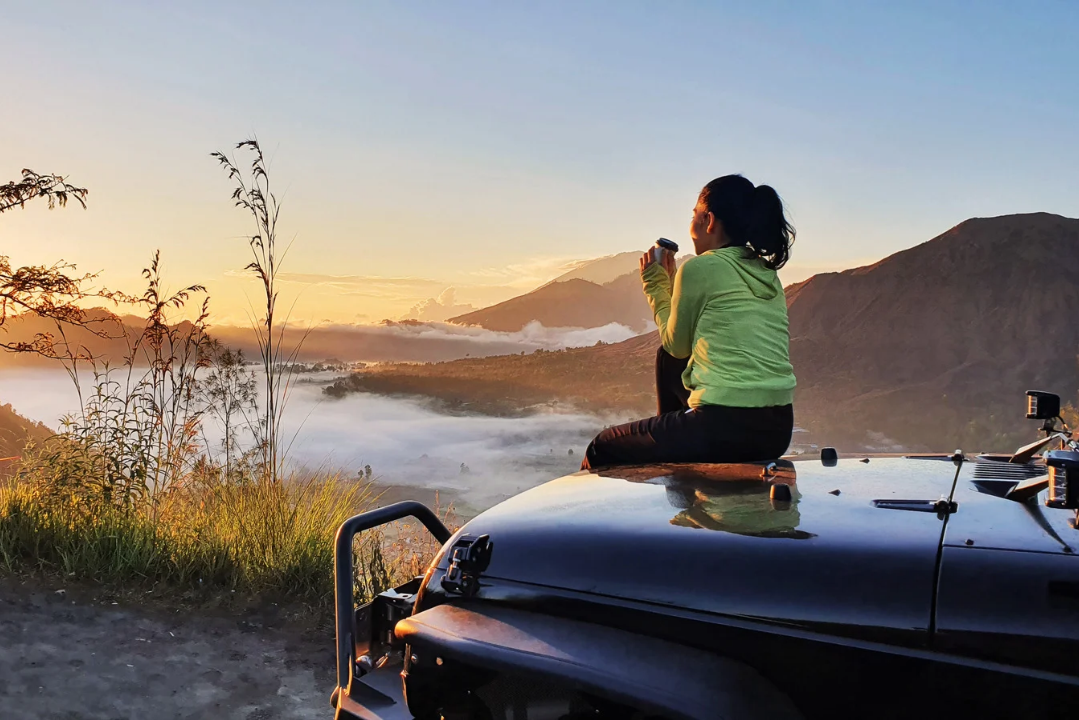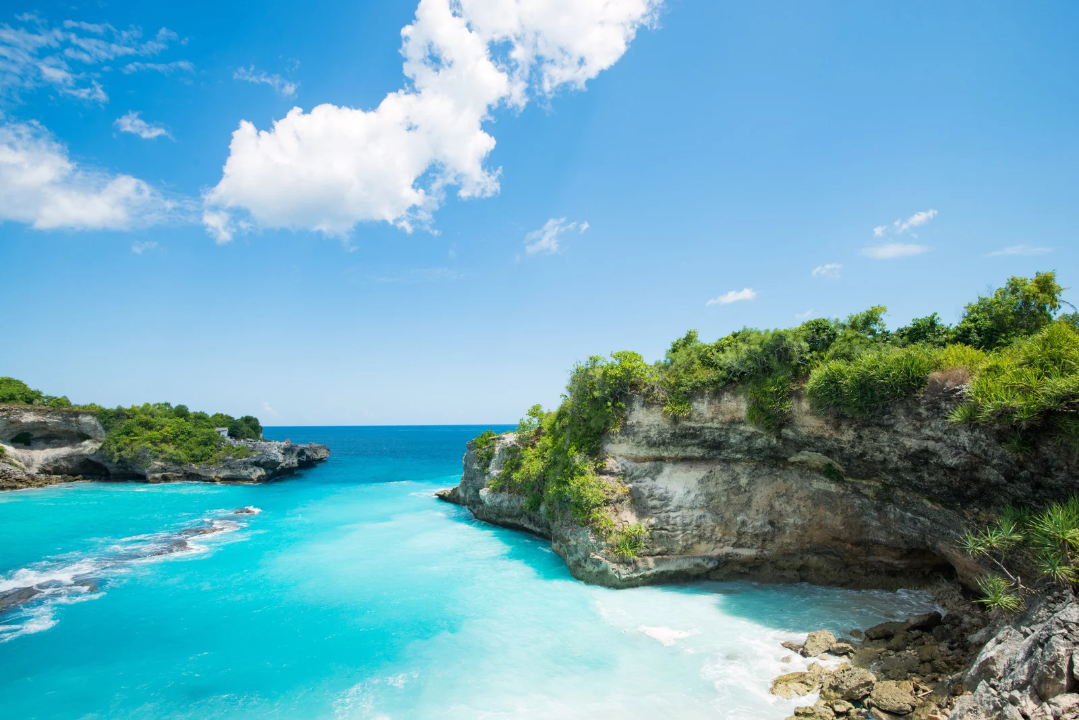
Indonesia is a vast archipelago rich in culture, history, and natural diversity. With more than 17,000 islands, the country encompasses black-sand beaches, tropical rainforests, active volcanoes, major cities, and hundreds of regional traditions.
Beyond its best-known destinations, Indonesia holds many facts that reveal the scale of its diversity. It is home to more than 700 regional languages, the world’s largest individual flower, exceptional biodiversity, and Southeast Asia’s largest economy.
This article explores 10 fascinating facts about Indonesia, covering its geography, languages, wildlife, cultural heritage, and natural landscapes.
1. The Official Name of Indonesia
The country’s official name is the Republic of Indonesia, or Republik Indonesia in Bahasa Indonesia. Indonesia is also recognised as the world’s largest archipelagic state, extending between the Indian and Pacific Oceans and comprising more than 17,000 islands.
Indonesia shares land borders with Malaysia, Timor-Leste, and Papua New Guinea. Its extensive geography has contributed to substantial differences in landscapes, ecosystems, languages, and regional cultures across the country.
2. Indonesia Has the World’s Largest Muslim Population
Indonesia has the largest Muslim population of any country. Around 87% of its population identifies as Muslim, while Christianity, Hinduism, Buddhism, Confucianism and other beliefs are also represented.
Indonesia’s 1945 Constitution states that the country is based on belief in the One and Only God and guarantees citizens the freedom to practise their religion and beliefs. The Constitution does not designate Islam as the country’s official state religion.
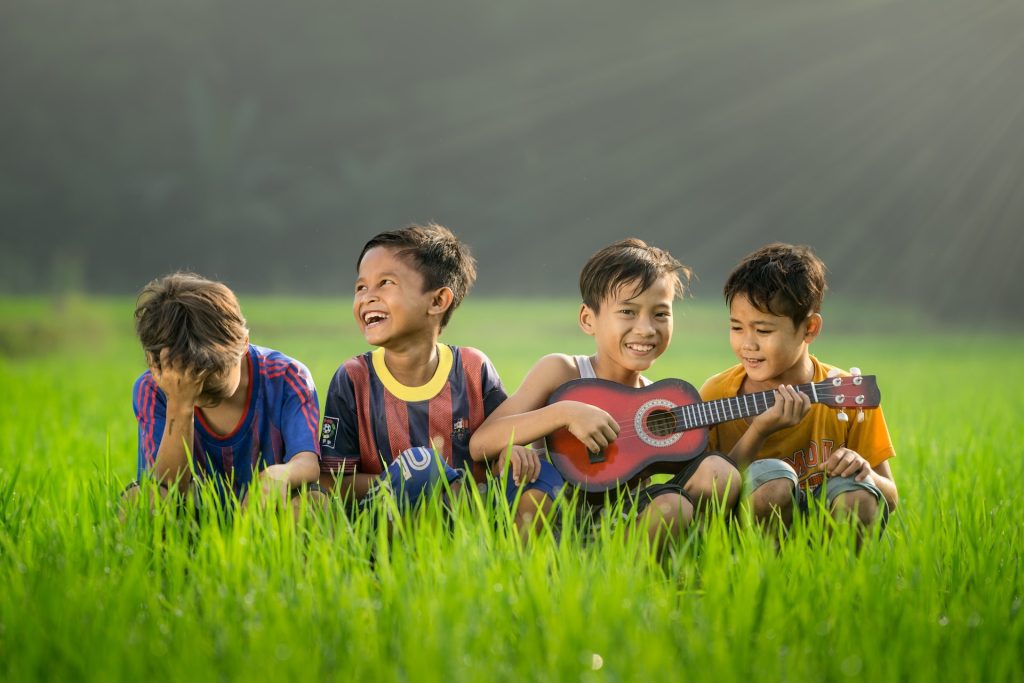
3. More Than 700 Languages Are Spoken in Indonesia
Indonesia has more than 718 regional languages and 778 recorded dialects, making it one of the most linguistically diverse countries in the world. Javanese, Sundanese, Balinese, Minangkabau, and Bugis are among the regional languages that remain important to local identity and everyday communication.
Bahasa Indonesia is the national language and provides a shared means of communication across the archipelago. Many Indonesians use Bahasa Indonesia alongside a regional language spoken at home or within their local community.
4. Indonesia Has Southeast Asia’s Largest Economy
Indonesia is the largest economy in Southeast Asia and currently ranks approximately 16th globally. Its economic activity spans manufacturing, agriculture, mining, trade, services, tourism, and a growing digital sector.
The country’s large domestic market, natural resources, expanding infrastructure, and substantial workforce contribute to its regional economic importance. Tourism also supports many local economies, particularly in destinations such as Bali, Lombok, Yogyakarta, Flores, and parts of Sumatra.
5. Indonesia’s Astonishing Biodiversity
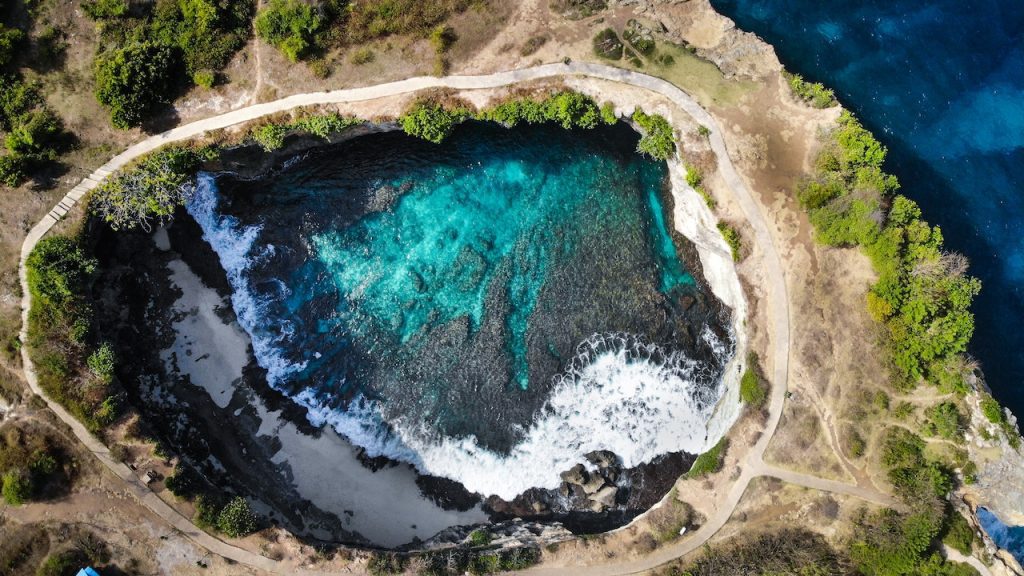
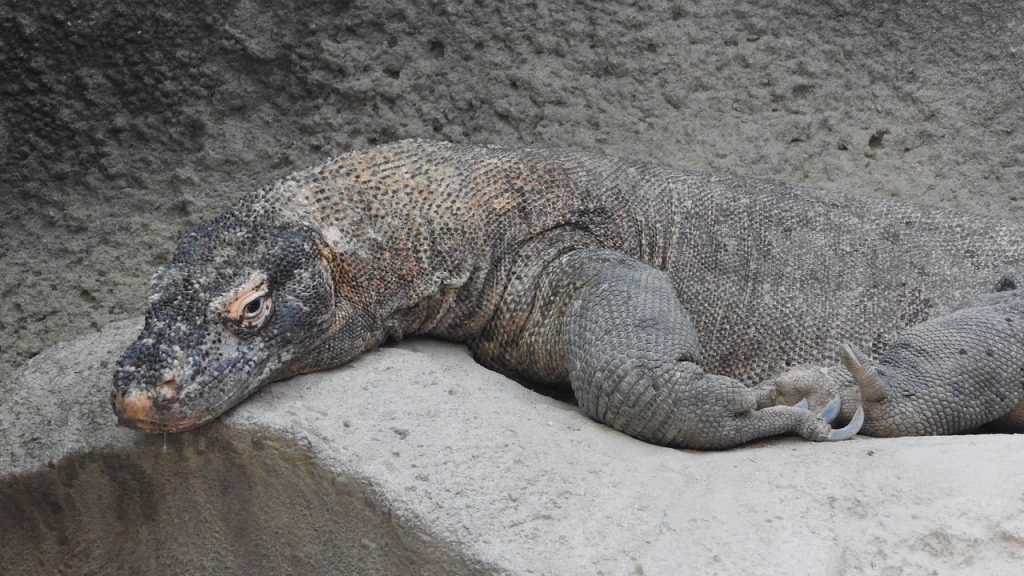
Indonesia is a global biodiversity hotspot, boasting an astounding 17% of the world’s biodiversity. This makes it the third most biodiverse country on the planet, after Brazil and Colombia. Indonesia’s lush rainforests are home to over 10,000 species of flowers and a diverse array of wildlife. Iconic species such as orangutans, Komodo dragons, and Sumatran tigers inhabit these rich ecosystems. Additionally, Indonesia is a birdwatcher’s paradise, with more than 300 species of birds spread across its islands. This incredible natural wealth underscores Indonesia’s importance in global conservation efforts.
6. Indonesia’s Landmark Public Smoking Ban
In a pioneering move in 2003, Indonesia became the first country to implement a public smoking ban. This legislation restricted smoking in indoor public spaces, including hotels, restaurants, and other enclosed areas. At the time, it was considered one of the strictest anti-smoking laws in the world. While the ban does not cover all public spaces, it has significantly curbed smoking rates and promoted healthier environments. Indonesia’s efforts set a precedent for public health policies in Southeast Asia.
7. Home to Some of the World’s Most Dangerous Animals
Indonesia’s rich biodiversity also includes some of the world’s most dangerous animals. The country’s dense jungles, rivers, and coastal areas are home to threats like saltwater crocodiles, venomous snakes, and the formidable Asian black bear. The saltwater crocodile, the largest living reptile, poses the greatest danger, responsible for an estimated 80 fatalities annually. Additionally, Indonesia’s lush rainforests harbor various venomous species, making it a thrilling yet potentially hazardous destination for adventurers and wildlife enthusiasts. Visitors are advised to stay cautious and respect local wildlife habitats.
Find the perfect travel package to Flores. Whether it’s solo or group travel, Indonesia Impression has got your back. Packages start at $499 for 4 days!
8. The Hottest Spot on the Pacific Ring of Fire
Indonesia sits on the Pacific Ring of Fire, the world’s largest earthquake and volcanic belt stretching from Chile to Japan and through Southeast Asia. With approximately 130 active volcanoes, Indonesia experiences frequent seismic activity, including daily tremors of magnitude four or lower. Due to the country’s dense population, many Indonesians live in close proximity to these active volcanoes, such as Mount Merapi, Mount Bromo, and Mount Agung. While this location presents risks, it also blesses Indonesia with fertile volcanic soil that supports lush agriculture and scenic landscapes.
9. Rafflesia Arnoldi Produces the World’s Largest Individual Flower
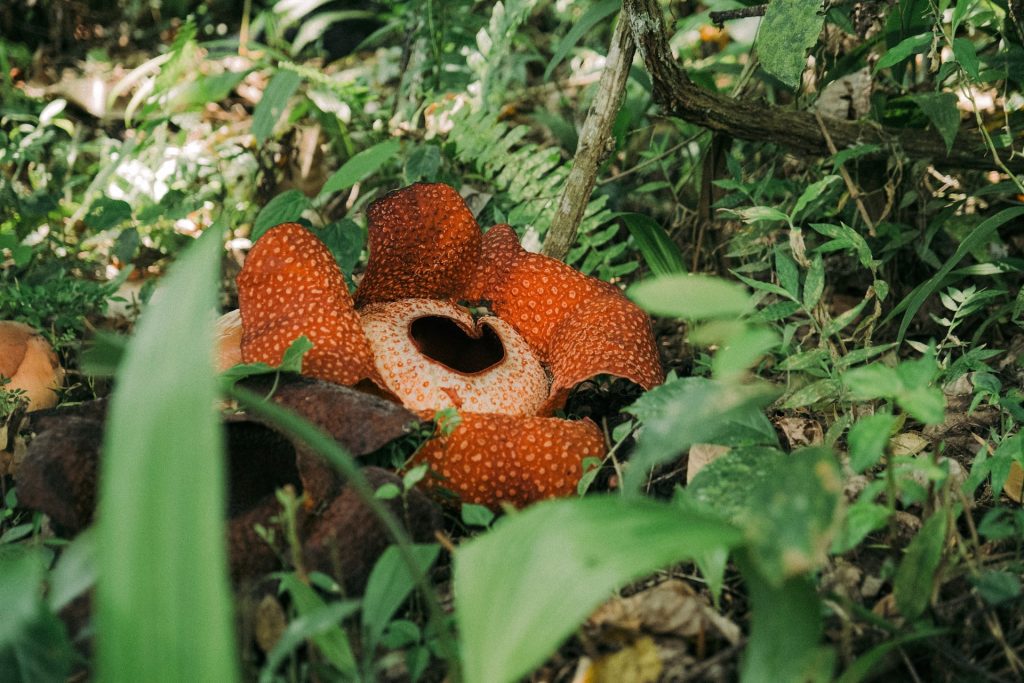
Rafflesia arnoldi produces the largest known individual flower in the world. The species is native to parts of Sumatra and Borneo, including West Kalimantan in Indonesia, and its flower can grow to approximately one metre across.
The plant has no conventional roots or leaves and lives as a parasite inside vines of the genus Tetrastigma. It becomes visible when a bud emerges from its host and develops into a large flower that produces an odour resembling decaying meat, attracting carrion flies that assist with pollination.
Because each bloom is brief and unpredictable, travellers hoping to see the flower should check current flowering conditions with a local guide or conservation area before visiting.
See this gorgeous flower by taking a short trip to Sumatra. Prices start from $588 for 5 days!
10. The Indonesian National Sport is Pencak Silat
Pencak Silat is the official national sport and an essential part of Indonesia’s cultural heritage. This ancient martial art, dating back to the 10th century, is known for its combination of striking, grappling, and self-defense techniques. Pencak Silat is not only practiced for sport but also as a form of artistic expression and traditional performance. While its techniques have spread worldwide, Pencak Silat remains deeply rooted in Indonesian culture, often showcased during ceremonies and national events. The sport symbolizes discipline, strength, and the rich cultural legacy of Indonesia.
Conclusion
Indonesia is a captivating archipelago filled with incredible biodiversity, rich cultural heritage, and stunning natural wonders. Witness the awe-inspiring Rafflesia flower, explore the majestic Ring of Fire volcanoes, or experience the ancient martial art of Pencak Silat. The country offers countless unique and memorable experiences for adventure seekers, nature lovers, and culture enthusiasts alike.
Ready to explore Indonesia’s wonders? Plan your perfect trip with a trusted Indonesia Tour Agency Operator and create unforgettable memories in this beautiful and diverse country.